
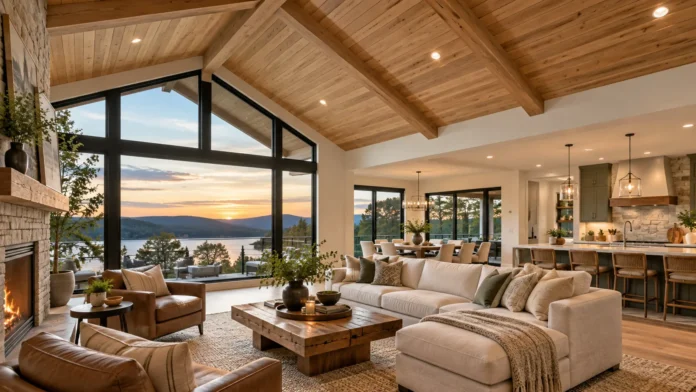
A tongue and groove ceiling is a popular interior design feature that adds warmth, texture, and architectural character to a room. Whether you prefer a rustic farmhouse style or a clean, modern appearance, this ceiling design offers several possibilities for transforming an ordinary space. Its distinctive interlocking boards create a continuous surface that looks attractive in living rooms, kitchens, bedrooms, and covered outdoor areas.
Choosing the right tongue and groove ceiling involves understanding available materials, board profiles, finishes, and installation requirements. Solid wood, engineered wood, and manufactured alternatives offer different advantages depending on your budget and design preferences. Factors such as moisture exposure, ceiling height, maintenance, and overall interior style can also influence which option works best.
From natural pine planks to painted white ceilings, tongue and groove designs can complement traditional and contemporary homes. They can also be used to create feature ceilings, highlight architectural details, or add visual interest to smaller spaces. This guide explores practical materials, creative ceiling ideas, installation considerations, and useful tips for choosing a design that suits your home.
What Is a Tongue and Groove Ceiling?
A tongue and groove ceiling is made from boards designed with an interlocking edge profile. One side of each board has a projecting tongue, while the opposite side contains a matching groove. When installed together, the boards connect to create a continuous ceiling surface with visible seams that add texture and architectural detail.
These ceiling panels are available in different materials, including solid wood, engineered wood, and certain manufactured products. Their appearance depends on the board width, edge profile, wood grain, and surface finish. Some designs feature narrow, closely spaced boards, while others use wider planks to create a more contemporary appearance.
Tongue and groove construction has been used in residential interiors for many years because of its decorative appearance and practical joining system. Today, homeowners use it in traditional cottages, modern houses, coastal interiors, and farmhouse-style spaces. The finished ceiling can appear subtle or dramatic depending on the selected materials and installation pattern.
How Does Tongue and Groove Ceiling Construction Work?
Tongue and groove boards are manufactured so their edges fit together along the length of each plank. The tongue of one board slides into the groove of the next, helping maintain alignment during installation. This joining method creates consistent seams while allowing the ceiling surface to feature individual wooden or manufactured panels.
Depending on the material and installation system, boards may be attached to ceiling joists, suitable framing, or properly prepared support battens. Some products allow concealed fastening through the tongue, while others require alternative fixing methods. Following manufacturer instructions is essential because fastening requirements differ according to board thickness, material, and ceiling construction.
Wooden boards naturally respond to changes in temperature and humidity, so installation must allow for appropriate movement. This may involve acclimating materials and maintaining expansion clearances according to product guidance. Proper planning helps reduce the risk of visible gaps, buckling, or other problems caused by unsuitable installation conditions.
Best Materials for Tongue and Groove Ceilings
Selecting suitable tongue and groove ceiling materials is important for achieving the desired appearance and long-term performance. Solid wood remains a popular choice because it offers natural grain patterns, warmth, and a traditional appearance. However, engineered wood and manufactured alternatives may provide practical advantages depending on the room and installation conditions.
Pine, cedar, spruce, and other wood species are commonly used for ceiling paneling. Each material offers different grain patterns, color variations, durability characteristics, and price points. Homeowners should consider whether they prefer natural wood texture, painted finishes, or a smoother appearance with fewer visible knots.
Manufactured tongue and groove products can include engineered wood, MDF, PVC, and other composite materials designed for specific applications. Not every product is suitable for ceilings or moisture-prone environments. Checking the manufacturer’s recommended use, fire performance, fastening requirements, and moisture limitations helps prevent costly material selection mistakes.
Pine Tongue and Groove Ceiling Ideas
Pine is a popular material for tongue and groove ceilings because it offers a distinctive wood grain and is often more affordable than many hardwood options. Its generally light color works well in rustic, farmhouse, and Scandinavian-inspired interiors. Pine boards may contain visible knots, adding natural character to the finished surface.
Natural pine can be finished with suitable clear coatings to highlight its grain and warm appearance. Alternatively, painted pine creates a softer look that complements bright interior spaces. White, cream, and muted neutral finishes are particularly popular for ceilings where homeowners want texture without introducing strong color contrast.
Pine is relatively soft and may dent more easily than harder wood species, although ceiling applications experience limited physical contact. Moisture changes can also affect the boards over time. Proper acclimation, suitable finishing, and installation according to manufacturer recommendations help maintain the ceiling’s appearance and reduce avoidable movement.
Cedar Tongue and Groove Ceiling Designs
Cedar is valued for its attractive grain, natural color variation, and distinctive appearance. Depending on the species, cedar boards may display reddish, golden, or warm brown tones. These qualities make cedar an appealing option for ceilings where natural wood is intended to become a major design feature.
Cedar ceilings can complement rustic cabins, contemporary homes, covered porches, and other spaces featuring natural materials. The wood pairs well with stone surfaces, neutral walls, and dark metal accents. Leaving the grain visible can create an inviting atmosphere, while suitable finishing products help preserve the desired appearance.
Although certain cedar species offer natural resistance to decay, performance depends on the wood type, exposure conditions, and installation details. Cedar should not automatically be considered suitable for every damp or outdoor environment. Review material specifications and use appropriate protective finishes when required for the intended ceiling application.
Engineered Wood and MDF Ceiling Panels
Engineered wood ceiling panels offer an alternative to traditional solid wood boards. These products may use layered wood materials or manufactured cores designed to provide consistent dimensions and surface finishes. Depending on the product, engineered panels can offer a smoother appearance and potentially reduce some movement associated with solid wood.
MDF tongue and groove panels are often selected for painted interior ceilings because their surfaces can provide a relatively uniform finish. They may work well in living rooms, bedrooms, and other dry spaces. However, ordinary MDF is vulnerable to moisture, making product selection particularly important in kitchens, bathrooms, and other humid environments.
Engineered wood and MDF products vary widely in quality, weight, composition, and installation requirements. Some require specific fastening systems, while others are supplied with decorative coatings. Always confirm that the selected panels are approved for overhead installation and meet applicable building and fire safety requirements.
PVC Tongue and Groove Ceiling Options
PVC tongue and groove panels are manufactured plastic products that can provide a lightweight alternative to traditional wooden ceilings. Many are designed to resist moisture and offer easy-to-clean surfaces. Their availability in different colors, textures, and decorative finishes makes them suitable for certain practical and contemporary design applications.
Moisture-resistant PVC panels may be useful in selected bathrooms, laundry rooms, or covered outdoor spaces when approved by the manufacturer. Some products imitate painted wood or natural timber grain, allowing homeowners to achieve a decorative appearance without using solid wood. However, material quality and visual realism vary considerably between products.
PVC is not automatically suitable for every ceiling because fire ratings, thermal movement, and installation conditions differ. Certain panels may be unsuitable near high temperatures or particular lighting fixtures. Check product certifications, local building requirements, and manufacturer guidance before choosing PVC for a residential ceiling.
White Tongue and Groove Ceiling Ideas
A white tongue and groove ceiling creates a bright, timeless appearance while adding subtle architectural texture. The painted boards introduce visible lines without overwhelming the room with strong colors or patterns. This design works particularly well in coastal homes, farmhouse interiors, cottages, and contemporary spaces featuring neutral finishes.
White ceilings can help reflect available light and create an airy atmosphere, especially in rooms with suitable windows and lighting. Narrow planks introduce more visible detail, while wider boards offer a calmer, simpler appearance. Combining white ceiling paneling with light-colored walls can create a coordinated interior design.
For a more distinctive look, white tongue and groove boards can be paired with natural wooden beams or contrasting trim. Matte and satin paint finishes produce different visual effects depending on lighting conditions. Proper surface preparation and appropriate coatings help achieve a consistent appearance while maintaining the definition of the board joints.
Natural Wood Tongue and Groove Ceiling Ideas
Natural wood ceilings emphasize grain patterns, knots, and warm colors that create an inviting interior atmosphere. This approach works well in living rooms, cabins, bedrooms, and open-plan spaces. Depending on the selected wood species, the ceiling can complement rustic interiors or become a refined architectural feature.
Light wood finishes often create a softer appearance, while darker stains introduce stronger contrast and visual depth. Natural wood can be combined with neutral walls, simple furniture, and modern lighting to balance the overall design. The goal is to create harmony between the ceiling and surrounding materials.
Clear finishes, stains, and protective coatings can change the appearance of natural wood while providing varying levels of surface protection. Always test a product on a sample board before applying it across the entire ceiling. Wood can darken or change color over time, particularly when exposed to sunlight.
Modern Tongue and Groove Ceiling Designs
Modern tongue and groove ceilings often feature clean lines, wider boards, and carefully selected finishes. Rather than emphasizing heavy rustic details, contemporary designs focus on balanced proportions and simple materials. Light oak tones, smooth painted surfaces, and minimal trim can complement modern furniture and open-plan architecture.
Installing boards in a consistent direction can create a visually organized ceiling design. Wide planks may produce a streamlined appearance, while narrow boards introduce a more detailed pattern. Homeowners can also use contrasting wall colors or recessed lighting to highlight the ceiling without making the room feel overly decorative.
Modern interiors frequently combine wood with glass, metal, stone, and neutral-colored surfaces. A natural wood ceiling can soften rooms featuring polished concrete or minimalist furniture. Choosing restrained colors and consistent board profiles helps create a contemporary appearance that feels intentional rather than visually crowded.
Rustic Farmhouse Tongue and Groove Ceiling Ideas
Rustic farmhouse interiors often use natural wood textures, visible knots, and warm finishes to create a comfortable atmosphere. Tongue and groove ceiling boards fit naturally into this design style because they introduce architectural character. Pine and other knotty woods are commonly chosen for their distinctive appearance and traditional charm.
A farmhouse ceiling may feature white-painted boards paired with exposed-looking wooden beams or natural wood planks above neutral walls. Vintage-inspired lighting, simple furniture, and textured fabrics can complete the design. The ceiling becomes part of a coordinated interior rather than an isolated decorative element.
Rustic styling works best when natural materials are balanced with practical room features. Too many dark finishes may make smaller spaces feel visually heavy, particularly when ceiling heights are limited. Combining warm wood with lighter walls and appropriate lighting can maintain a welcoming atmosphere.
Tongue and Groove Ceiling Ideas for Living Rooms
Living rooms are excellent spaces for decorative tongue and groove ceilings because the ceiling can influence the entire room’s appearance. Natural wood introduces warmth, while painted boards create subtle texture. The right finish can complement sofas, flooring, fireplaces, and other important features within the living area.
For a bright and spacious look, consider white or pale wood ceilings with simple trim. Darker boards may suit rooms with generous natural light and higher ceilings. Installing planks in a consistent direction can also support the room’s visual proportions, especially when coordinated with flooring or architectural details.
Lighting should be considered during the design stage because ceiling fixtures affect the finished appearance. Pendant lights, suitable recessed fixtures, and wall lighting can highlight the wood grain or painted texture. Electrical installations and fixture clearances should follow relevant safety requirements and be completed by qualified professionals when necessary.
Tongue and Groove Ceiling Ideas for Bedrooms
A tongue and groove bedroom ceiling can create a calm and welcoming atmosphere through natural textures and carefully chosen colors. Light-colored wood works well in relaxed interiors, while painted boards can complement traditional and modern bedroom designs. The ceiling adds visual interest without requiring additional wall decorations.
White, cream, pale gray, and natural wood finishes are common options for bedroom ceilings. These colors can coordinate with bedding, curtains, and furniture while maintaining a balanced appearance. Homeowners who prefer stronger contrast may choose darker wood, particularly in bedrooms with suitable proportions and lighting.
Bedroom ceiling design should prioritize comfort and personal preferences rather than following trends alone. Consider how the chosen material looks under both natural daylight and artificial lighting. A consistent finish and thoughtfully selected board width can help create an attractive space suited to everyday use.
Tongue and Groove Ceiling Ideas for Kitchens
Kitchen ceilings benefit from materials that complement cabinetry, countertops, and flooring while accommodating the room’s environmental conditions. Tongue and groove paneling can add warmth to kitchens featuring painted cabinets or modern surfaces. White-painted boards and natural wood finishes are both popular depending on the desired interior style.
Moisture, cooking residue, and temperature changes should influence material selection. Suitable coatings and good ventilation can help protect certain wood ceiling products, while approved manufactured panels may offer alternatives. Ordinary untreated materials may be less suitable where condensation or frequent humidity changes occur.
Kitchen ceiling designs should also account for lighting, extractor systems, and existing electrical fixtures. The ceiling material must be appropriate for its location, including any nearby heat-producing equipment. Professional guidance can help ensure that decorative paneling does not interfere with ventilation or important safety requirements.
Tongue and Groove Ceiling Ideas for Bathrooms
Bathrooms require careful ceiling material selection because humidity and condensation can affect certain products. Tongue and groove designs can create a relaxed coastal or traditional appearance when suitable materials are used. Moisture-resistant panels, appropriate coatings, and effective ventilation are important considerations for long-term performance.
Some bathroom-approved PVC systems may provide practical alternatives to ordinary wood or MDF. Certain wood products can also be suitable when their specifications and protective finishes support the intended conditions. However, no material should be selected solely because it is advertised as water-resistant without checking its installation requirements.
Bathroom ceilings should be inspected periodically for signs of condensation, discoloration, or moisture damage. Proper ventilation helps manage humidity and reduces the likelihood of unwanted surface problems. Choose materials and fixtures approved for the bathroom environment, and follow applicable electrical and building safety requirements.
Tongue and Groove Ceiling Ideas for Covered Porches
Covered porches can benefit from tongue and groove ceilings that connect indoor architectural styles with outdoor living areas. Natural wood boards may complement decking, exterior trim, and outdoor furniture. Painted ceilings are also common, particularly in traditional porch designs featuring light colors and decorative details.
Outdoor ceiling materials face changing temperatures, humidity, and possible wind-driven moisture exposure. Products should therefore be specifically approved for the intended exterior or sheltered application. Certain cedar boards and other suitably treated materials may perform well when installed according to their exposure and finishing requirements.
Covered porch ceilings also require attention to ventilation, supporting construction, and fastening methods. Outdoor-rated lighting and appropriate electrical fittings may be necessary depending on the installation. Selecting materials for actual exposure conditions helps improve durability while maintaining the desired decorative appearance.
Vertical, Horizontal, and Diagonal Ceiling Patterns
The direction of tongue and groove boards can influence how a room appears, even when the materials and colors remain unchanged. Plank orientation should be considered alongside room dimensions, architectural features, and ceiling framing. Consistent board placement creates a visually organized pattern that complements the surrounding interior.
Boards installed parallel to a room’s longer dimension may emphasize its length, while a different orientation can create contrasting visual effects. Diagonal arrangements add movement and visual interest but often require more cutting and planning. The most attractive pattern depends on the room’s proportions and the desired design outcome.
Decorative patterns must also work with the ceiling’s support structure and fastening requirements. Complex arrangements may need additional blocking or framing to provide proper fixing points. Planning the layout before installation helps reduce wasted material and prevents awkward board transitions around fixtures and room edges.
Tongue and Groove Ceiling With Exposed Beams
Combining tongue and groove ceiling boards with exposed-looking beams can create a distinctive architectural feature. This design is especially popular in rustic homes, farmhouse interiors, and rooms with vaulted ceilings. Beams introduce visual contrast while the boards provide texture and continuity across the ceiling surface.
Natural wooden beams paired with white ceiling boards create a bright appearance with strong architectural definition. Darker beams against pale wood or painted panels can produce a more dramatic look. The size and spacing of beams should complement the room rather than overwhelm its proportions.
Decorative beams are different from structural beams and should not be treated as interchangeable. Structural changes require appropriate professional evaluation, while decorative products must be securely installed according to their specifications. Careful planning helps achieve the intended design without compromising the ceiling’s construction or safety.
How Much Does a Tongue and Groove Ceiling Cost?
The cost of a tongue and groove ceiling depends on the selected material, ceiling area, board quality, finishing requirements, and labor rates. Solid wood species may differ considerably in price, while manufactured alternatives can offer different budget options. Complex layouts and difficult ceiling access may also increase installation expenses.
Material costs should include more than the boards themselves because fasteners, supporting battens, trim, coatings, and preparation supplies may be necessary. Additional expenses can arise when existing ceilings require repairs or electrical fixtures need adjustment. Measuring the area accurately and allowing reasonable material waste helps create a more realistic estimate.
Professional installation prices vary according to location, project complexity, and contractor experience. Requesting detailed quotations can help homeowners compare materials, labor, preparation, and finishing services. A complete budget should consider long-term maintenance and durability rather than focusing entirely on the lowest initial installation price.
How to Install a Tongue and Groove Ceiling
Installing tongue and groove ceiling boards requires careful planning, suitable materials, and a secure supporting structure. The first stage involves inspecting the existing ceiling and confirming that the framing can support the selected system. Board layout, fixing locations, ventilation requirements, and manufacturer specifications should be reviewed before work begins.
Boards are generally positioned so their interlocking edges fit together consistently across the ceiling. The exact fastening method depends on the material, support arrangement, and product instructions. Proper alignment and appropriate movement allowances are important for achieving a neat finish and avoiding problems caused by temperature or humidity changes.
Overhead installation can involve fall hazards, electrical wiring, and structural considerations, making professional installation a sensible choice for many homeowners. Existing fixtures may require removal or adjustment by qualified tradespeople. Following applicable building codes and manufacturer instructions helps ensure that the completed ceiling is safe, secure, and suitable for long-term use.
How to Maintain a Tongue and Groove Ceiling
Regular maintenance helps preserve the appearance of tongue and groove ceilings and identify potential problems early. Routine cleaning usually involves removing dust with a suitable soft cloth or appropriate vacuum attachment. The cleaning method should match the material and surface finish to avoid unnecessary moisture exposure or damage.
Natural wood ceilings may require occasional inspection for discoloration, movement, or signs of moisture problems. Painted ceilings can sometimes be refreshed when finishes become worn, provided the underlying material remains sound. Follow product-specific maintenance guidance rather than assuming all ceiling materials respond to the same cleaning products.
Address leaks, condensation, or unusual staining promptly because moisture can damage certain wooden and manufactured boards. Persistent changes may indicate a problem beyond normal surface maintenance. Professional assessment may be appropriate when structural movement, widespread damage, or hidden moisture is suspected.
Common Tongue and Groove Ceiling Mistakes to Avoid
One common mistake is choosing ceiling materials based only on appearance without considering the room’s environmental conditions. Products suitable for dry living rooms may not perform well in humid bathrooms or exposed outdoor locations. Matching material specifications to the intended setting helps reduce premature damage and unnecessary replacement costs.
Another mistake involves overlooking the importance of ceiling support, fastening methods, and natural material movement. Incorrect installation may contribute to uneven boards, visible gaps, or loose panels. Following manufacturer instructions and using qualified installers where appropriate can help prevent these avoidable problems.
Homeowners should also consider board proportions, lighting placement, and surrounding interior finishes before making final decisions. A ceiling that looks attractive in a showroom may create a different effect in a smaller room. Reviewing samples under actual lighting conditions helps ensure that the selected design complements the space.
Conclusion
A tongue and groove ceiling offers an attractive way to introduce texture, warmth, and architectural detail into residential interiors. Materials such as pine, cedar, engineered wood, MDF, and suitable PVC products provide different appearances and practical characteristics. Choosing the right option depends on room conditions, budget, personal preferences, and long-term maintenance expectations.
From white-painted farmhouse ceilings to natural wood designs and contemporary wide-plank arrangements, tongue and groove paneling supports many interior styles. It can enhance living rooms, bedrooms, kitchens, bathrooms, and covered outdoor spaces when appropriate products are selected. Thoughtful decisions about board width, orientation, lighting, and finishing help create a coordinated appearance.
Before installing a tongue and groove ceiling, review material specifications, structural requirements, and relevant safety considerations. Proper installation and maintenance can help preserve the finished appearance over time. With careful planning, this versatile ceiling design can become a distinctive and practical feature that complements your home’s overall character.
FAQs
What is the best material for a tongue and groove ceiling?
Pine and cedar are popular natural wood options, while suitable MDF, engineered wood, and PVC panels offer alternatives. The best material depends on moisture exposure, budget, appearance, and installation requirements.
Is a tongue and groove ceiling expensive?
Costs vary according to material quality, ceiling size, labor, and finishing requirements. Pine may be relatively affordable, while premium wood species and complicated installations can increase the total project expense.
Can tongue and groove ceilings be used in bathrooms?
Yes, but materials must be suitable for humid environments. Bathroom-approved moisture-resistant panels or appropriately specified wood products may work when combined with proper installation, ventilation, and maintenance.
Should tongue and groove ceiling boards be painted or stained?
Both options can work well. Paint creates a uniform appearance and can brighten a space, while stain highlights natural wood grain. The choice depends on material compatibility and your preferred design.
Can tongue and groove boards be installed over an existing ceiling?
Some systems can be installed over suitable existing ceilings when properly secured to an approved supporting structure. The condition, weight capacity, fastening requirements, and local building rules should be evaluated first.