
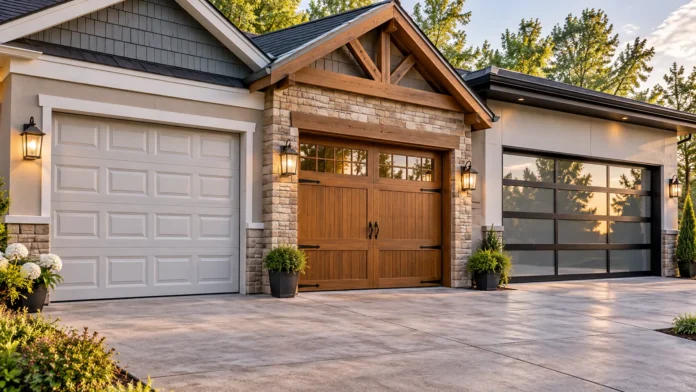
Garage door panels play an important role in the appearance, durability, and functionality of a garage door. They form the visible sections of the door and help protect your garage from weather, dust, and outside conditions. Understanding different garage door panel types, materials, and costs can help homeowners make better decisions when installing, repairing, or upgrading their garage doors.
Modern garage door panels are available in various designs, including raised, recessed, flush, and carriage house styles. Popular materials include steel, aluminum, wood, fiberglass, and composite. Each option offers different benefits depending on maintenance needs, weather resistance, insulation, and overall appearance. Choosing the right panels can improve curb appeal while supporting long-term performance.
Whether you are replacing a damaged section or considering a complete garage door upgrade, understanding your options is essential. This guide explains the most common garage door panel styles, compares popular materials, explores replacement costs, and highlights important factors to consider before purchasing new panels.
What Are Garage Door Panels?
Garage door panels are the individual sections that form the main body of many residential garage doors. In sectional garage doors, several horizontal panels are connected by hinges and move along overhead tracks. This design allows the door to open vertically before traveling beneath the garage ceiling. Different panel designs provide varying levels of durability, insulation, and visual appeal.
The number of panels depends on the garage door’s height, construction, and manufacturer specifications. Most residential sectional doors contain several horizontal sections that work together during operation. Each section must fit correctly with the adjoining panels and supporting hardware. Proper alignment helps the door move smoothly while maintaining its intended appearance and weather protection.
Garage door panels can experience damage from accidental impacts, severe weather, corrosion, or normal aging. Depending on the extent of the damage, a professional may be able to replace an individual section instead of the entire door. However, matching replacement panels must be compatible with the existing system. Understanding these components helps homeowners evaluate repair and replacement options.
Different Types of Garage Door Panels
Garage door panels come in several styles that influence the overall appearance of a home’s exterior. Common options include raised panels, recessed panels, flush panels, and carriage house designs. Each style creates a different architectural effect and complements particular home designs. Understanding these differences helps homeowners choose panels that match their property.
Raised panels feature decorative sections that extend outward from the door surface, creating visible depth and dimension. Recessed panels have sections that appear set back, producing a cleaner and more traditional appearance. Flush panels provide smooth surfaces with minimal decorative details. These styles are available in different materials, colors, and finishes.
Carriage house panels recreate the appearance of traditional barn-style doors while often using modern sectional construction. They may include decorative hardware, textured finishes, and window details. Contemporary garage doors sometimes combine wide horizontal panels with glass inserts for a minimalist appearance. The ideal style depends on personal preferences, architectural compatibility, and available budget.
Raised Panel Garage Doors
Raised panel garage doors are among the most recognizable designs used in residential properties. Their surfaces feature rectangular or square sections with raised decorative profiles. These details create shadows and visual depth that make the door appear more structured. Raised panels work particularly well with traditional, colonial, and suburban home designs.
Manufacturers commonly produce raised panel garage doors using steel, although other materials may also be available. Homeowners can choose from short-panel and long-panel patterns depending on the desired appearance. Different finishes and colors provide additional customization options. Many raised panel doors can also include insulation to improve comfort and temperature control.
One major advantage of raised panels is their familiar appearance, which complements many architectural styles. They are also widely available through garage door manufacturers and suppliers. However, replacement sections must match the existing door’s dimensions and profile. Selecting compatible panels is important for maintaining a consistent appearance and proper door operation.
Recessed and Flush Garage Door Panels
Recessed garage door panels feature decorative sections that sit below the surrounding surface. This design creates a subtle appearance with clean lines and controlled visual depth. Recessed panels are often associated with traditional or transitional architecture. They provide an alternative for homeowners who want decorative details without the pronounced appearance of raised sections.
Flush garage door panels have smooth surfaces without prominent rectangular patterns. Their simple appearance makes them popular for contemporary homes and minimalist exterior designs. Some flush doors use wide horizontal sections to create a streamlined appearance. Depending on the manufacturer, these panels may be available with textured finishes, insulation, or decorative window arrangements.
Choosing between recessed and flush panels depends mainly on architectural style and personal preference. Recessed panels introduce traditional detailing, while flush designs create a cleaner, modern appearance. Both styles can offer reliable performance when manufactured and installed correctly. Material quality, insulation, and construction are generally more important than panel appearance alone.
Carriage House Garage Door Panels
Carriage house garage door panels are designed to resemble historic carriage house doors. Their appearance often includes decorative crossbars, wood-like textures, and traditional hardware details. Although they may look like doors that swing outward, many modern versions operate using standard overhead sectional systems. This combination provides classic styling with contemporary functionality.
These panels are popular among homeowners who want a farmhouse, rustic, or traditional exterior appearance. Manufacturers offer carriage house designs in steel, wood, fiberglass, and composite materials. Decorative handles and hinges can enhance the historic look without changing the operating mechanism. Window inserts may also be available to provide additional natural light.
Carriage house garage doors can cost more than basic panel designs because of their decorative features and specialized finishes. Genuine wood versions may also require additional maintenance. However, steel and composite alternatives can provide a similar appearance with different upkeep requirements. Comparing materials and manufacturer specifications helps homeowners balance appearance, durability, and overall cost.
Common Garage Door Panel Materials
Garage door panels are manufactured using several materials, each offering different advantages and limitations. Steel is popular because it combines strength, affordability, and relatively low maintenance requirements. Aluminum is valued for its lightweight construction and corrosion resistance. Wood, fiberglass, and composite materials provide additional choices for appearance, insulation, and weather performance.
Material selection affects more than the door’s appearance. Different products respond differently to moisture, temperature changes, physical impacts, and everyday wear. Some materials require regular painting or protective treatments, while others use factory-applied finishes. The construction method and insulation system also influence durability and thermal performance.
Homeowners should consider local climate conditions, available maintenance time, and long-term ownership costs when comparing materials. For example, coastal environments may create greater corrosion concerns, while sunny locations can expose finishes to prolonged ultraviolet radiation. No single material is ideal for every property. Choosing a suitable option requires balancing practical needs with appearance and budget.
Steel Garage Door Panels
Steel garage door panels are among the most common choices for residential garage doors. They offer reliable durability, broad design availability, and competitive pricing compared with many premium materials. Manufacturers produce steel panels in raised, recessed, flush, and carriage house styles. Different finishes allow homeowners to match various architectural designs.
Steel panels are available in single-layer and multilayer construction. Some insulated models feature steel surfaces surrounding a foam insulation core, helping improve thermal performance and panel rigidity. Protective factory coatings can reduce corrosion concerns when maintained properly. However, steel can still dent from impacts, and damaged finishes may become vulnerable to rust.
One advantage of steel panels is their relatively straightforward maintenance compared with natural wood. Regular cleaning and inspection can help preserve their appearance. Homeowners should address damaged coatings before corrosion spreads. For those seeking a balance of affordability, durability, and design flexibility, steel is often a practical choice.
Aluminum Garage Door Panels
Aluminum garage door panels are popular for modern residential designs because of their lightweight construction and corrosion-resistant properties. They are frequently used in contemporary doors featuring large glass sections and narrow framing. Aluminum can provide a clean architectural appearance while supporting a variety of finishes. It is also commonly considered for coastal environments.
Unlike ordinary steel, aluminum does not develop red iron rust. However, it can experience other forms of corrosion or surface deterioration under certain conditions. Aluminum panels may also dent more easily than some heavier materials. Product thickness, construction quality, and protective finishes influence how well a particular door withstands everyday use.
Aluminum garage doors are available in different colors, textures, and window configurations. Some designs emphasize natural light, while others offer greater privacy through opaque panels. Prices vary depending on framing, glazing, insulation, and overall construction. Homeowners interested in contemporary styling should compare both appearance and practical performance before choosing aluminum panels.
Wood Garage Door Panels
Wood garage door panels provide natural texture, warmth, and a distinctive appearance that many homeowners appreciate. They are particularly popular for traditional, rustic, and high-end residential properties. Different wood species and finishes create varied colors and grain patterns. Custom wood panels can also support detailed architectural designs that are difficult to reproduce with basic materials.
However, wood requires more maintenance than many alternative garage door materials. Exposure to moisture, sunlight, and changing temperatures can cause swelling, shrinking, or surface deterioration. Regular protective finishing may be necessary depending on climate and product specifications. Proper care helps preserve the appearance and service life of wooden garage door panels.
Wood doors are generally heavier than many comparable lightweight alternatives, which can affect hardware and operating requirements. They may also carry higher initial and long-term maintenance costs. Homeowners should compare the appearance benefits against these practical considerations. Professional installation and appropriately specified components are especially important for heavier garage door systems.
Fiberglass and Composite Garage Door Panels
Fiberglass garage door panels offer an alternative to traditional steel and wood construction. They can be manufactured with decorative textures that resemble natural wood grain. Fiberglass resists many moisture-related problems associated with untreated wood and does not rust like steel. However, performance varies according to construction quality, finish, and environmental exposure.
Composite garage door panels may combine engineered wood products, synthetic materials, or multiple layers to create durable exterior surfaces. Many composite designs reproduce the appearance of wood while requiring less routine finishing. Different manufacturers use different material combinations, making direct product comparisons important. Some composite products also offer improved resistance to common weather-related concerns.
Fiberglass and composite panels are available in various architectural styles, including carriage house and contemporary designs. Their prices depend on construction methods, decorative finishes, and insulation features. Some products can fade, crack, or deteriorate under particular environmental conditions. Reviewing manufacturer warranties and maintenance requirements helps determine whether these materials suit a specific property.
Insulated vs. Non-Insulated Garage Door Panels
Insulated garage door panels contain materials that help slow heat transfer between the garage and outdoor environment. Common insulation options include polystyrene and polyurethane foam. These products are frequently incorporated into multilayer steel garage doors. Insulated panels can improve temperature stability and may reduce noise compared with certain basic non-insulated designs.
Non-insulated garage door panels usually have simpler construction and lower initial prices. They may be suitable for detached garages where indoor temperature control is less important. However, attached garages and spaces used as workshops may benefit from insulated construction. The actual advantages depend on climate, wall insulation, air leakage, and the garage’s intended use.
Garage door insulation is often compared using R-values, which describe resistance to heat flow. Higher values generally indicate greater insulation resistance, although product measurement methods can differ. Insulation performance should not be evaluated using R-value alone. Homeowners should also consider weather seals, panel construction, and installation quality when comparing insulated garage door options.
How Much Do Garage Door Panels Cost?
Garage door panel costs depend on material, size, design, insulation, manufacturer, and installation requirements. For a typical residential door in the United States, replacing one standard panel may cost approximately $350 to $900 including professional labor. Basic options may cost less, while custom or premium sections can cost considerably more.
The following table provides broad planning estimates for individual garage door panel replacement. These figures represent approximate installed prices in the United States, not guaranteed quotations. The final amount depends on local labor rates, door compatibility, material availability, and any additional repair requirements.
| Garage Door Panel Type | Estimated Installed Cost |
|---|---|
| Basic steel panel | $250–$600 |
| Insulated steel panel | $350–$750 |
| Aluminum panel | $300–$800 |
| Wood panel | $450–$1,200 |
| Fiberglass or composite panel | $400–$1,000 |
| Custom or decorative panel | $600–$1,500+ |
Homeowners should request detailed quotes from local garage door professionals before committing to repairs. A technician may discover damaged hinges, tracks, or other components that increase the total price. Older or discontinued designs can also make replacement sections difficult to obtain. Comparing complete repair costs with full door replacement prices helps identify the most practical option.
Factors That Affect Garage Door Panel Replacement Cost
Panel material is one of the biggest factors influencing replacement expenses. Standard steel panels are often more affordable than premium wood or customized architectural designs. Insulated construction, decorative finishes, and window inserts may increase the price. Larger panels used on double-width garage doors can also cost more than comparable smaller sections.
Availability plays another important role in determining the final replacement cost. Some manufacturers discontinue older designs, making matching panels difficult to source. Even when a replacement is available, differences in color or surface texture may be noticeable. Specialized ordering or finishing work can increase the overall expense.
Labor costs vary according to the door’s construction, panel location, and required service work. Damaged bottom sections may involve important cable attachment hardware, while other panels may require specialized fitting. Professionals also need to verify safe operation after replacement. Obtaining an itemized estimate helps homeowners understand which costs involve materials, labor, and additional repairs.
Can You Replace Just One Garage Door Panel?
Replacing a single garage door panel is often possible when damage is limited to one section. This option can be more affordable than purchasing an entirely new garage door. However, replacement depends on finding a compatible panel with the correct dimensions, profile, and construction. The remaining sections and supporting components must also be in suitable condition.
Matching panels can become difficult when a garage door is older or its manufacturer has discontinued the design. Even compatible replacement sections may look slightly different because existing panels have faded or weathered. Structural damage can create additional complications. A qualified technician should inspect the door before recommending a partial replacement.
Garage doors contain springs, cables, and other components that operate under substantial tension. Improper handling can cause serious injuries or damage to the system. For this reason, panel replacement should be performed by a trained garage door professional. Professional assessment helps determine whether replacing one section is appropriate or whether a complete door replacement is safer.
Signs Your Garage Door Panels Need Replacement
Visible damage is one of the clearest signs that a garage door panel may require attention. Large dents, cracks, bending, and surface deterioration can affect appearance and potentially interfere with operation. Minor cosmetic damage does not always require complete panel replacement. However, significant deformation should be evaluated before the door is used further.
Rust and moisture damage are additional concerns, especially for older steel or wooden garage doors. Corrosion may weaken affected materials, while prolonged moisture exposure can cause wood to deteriorate. Peeling finishes, warped sections, and damaged panel joints may indicate underlying problems. Regular visual inspections can help homeowners identify changes before they become more serious.
Unusual noises, uneven movement, or visible gaps between sections may also suggest that professional service is needed. These symptoms can result from panel damage or problems involving other garage door components. Avoid operating a visibly damaged or unstable door until it has been assessed. Early professional inspection may prevent additional damage and unnecessary repair expenses.
Garage Door Panel Repair vs. Replacement
Repairing garage door panels may be appropriate when damage is minor and does not affect structural performance. Small surface imperfections or limited finish damage can sometimes be addressed without replacing the entire section. The suitability of repair depends on the material and the extent of deterioration. Professional inspection helps distinguish cosmetic issues from more serious defects.
Replacement becomes more likely when panels are severely bent, cracked, corroded, or structurally compromised. Damage that affects hinges, joints, or the door’s movement requires particular attention. Replacing an individual panel may restore the door when the remaining components are in good condition. However, extensive damage across multiple sections can make complete replacement more economical.
Homeowners should compare repair estimates with the cost of installing a new garage door. Consider the existing door’s age, insulation performance, appearance, and maintenance history. Spending heavily on an outdated system may not provide the best long-term value. A professional evaluation can help determine the most reasonable solution for the property’s needs.
How to Choose the Best Garage Door Panels for Your Home
Choosing suitable garage door panels begins with evaluating your home’s architectural style. Traditional properties may look attractive with raised or carriage house panels, while modern homes often complement flush or aluminum designs. Color and finish should coordinate with surrounding exterior materials. A consistent appearance can improve overall curb appeal without requiring unnecessary decorative features.
Climate and maintenance requirements should also influence material selection. Steel offers broad availability and practical durability, while aluminum may appeal to homeowners concerned about corrosion. Wood provides natural character but generally requires more frequent maintenance. Composite and fiberglass products offer additional alternatives depending on manufacturer specifications and local conditions.
Finally, consider insulation, warranty coverage, installation requirements, and the total project budget. The cheapest panels are not always the most economical choice over their entire service life. Comparing several products can reveal important differences in construction and maintenance expectations. Selecting compatible, well-manufactured panels helps support reliable performance and long-term homeowner satisfaction.
Tips for Maintaining Garage Door Panels
Regular maintenance helps preserve the appearance and condition of garage door panels. Cleaning exterior surfaces with appropriate products can remove dirt, dust, and environmental residue. Homeowners should follow the manufacturer’s cleaning recommendations because certain chemicals may damage protective finishes. Keeping panels clean also makes it easier to notice scratches, corrosion, or other visible problems.
Weather exposure can gradually affect even durable garage door materials. Painted steel surfaces may require attention when protective coatings become damaged, while wooden panels need maintenance suited to their finish. Inspecting visible weather seals and exterior surfaces can help identify developing issues. Avoid placing unnecessary pressure on damaged areas or attempting adjustments involving tensioned components.
Professional garage door inspections can complement routine cleaning and visual checks. A trained technician can evaluate panel alignment, hinges, rollers, and other mechanical components. This is particularly important when the door becomes noisy or begins moving unevenly. Combining appropriate homeowner maintenance with qualified servicing can help extend the useful life of the system.
Conclusion
Garage door panels are essential components that influence the appearance, protection, and performance of a garage door. They are available in numerous styles, including raised, recessed, flush, and carriage house designs. Popular materials such as steel, aluminum, wood, fiberglass, and composite offer different benefits. Understanding these options helps homeowners select products that match their property’s needs and architectural character.
Garage door panel replacement costs vary depending on material, size, insulation, design, and local labor rates. Although replacing one damaged section may be possible, compatibility and overall door condition are important considerations. Some situations make complete garage door replacement a more practical investment. Professional inspection is particularly important when damage affects the door’s structure or operating hardware.
Choosing the right garage door panels requires balancing appearance, durability, maintenance, insulation, and budget. Regular cleaning and timely professional maintenance can also help preserve their condition. Before purchasing replacement panels, compare manufacturer specifications and request detailed installation estimates. With thoughtful planning, homeowners can improve their garage door’s appearance while supporting reliable long-term operation.
Frequently Asked Questions
How much does it cost to replace one garage door panel?
Replacing one garage door panel typically costs approximately $350 to $900 in the United States, including professional installation. Prices vary depending on material, size, insulation, manufacturer, and local labor rates.
What is the best material for garage door panels?
Steel is a popular choice because it offers durability, affordability, and various design options. However, aluminum, wood, fiberglass, and composite materials may be better suited to particular climates and appearance preferences.
Can I replace one garage door panel instead of the entire door?
Yes, replacing one panel is often possible when damage is limited and a compatible replacement is available. A garage door professional should inspect the system to determine whether partial replacement is appropriate.
Are insulated garage door panels worth the extra cost?
Insulated garage door panels can improve thermal performance and reduce some noise, particularly in attached garages. Their value depends on climate, garage usage, existing insulation, and the quality of the complete door system.
How long do garage door panels last?
Garage door panels may last 15 to 30 years or longer, depending on material quality, climate, maintenance, and usage. Their actual lifespan varies, and damaged sections may need replacement much sooner.