
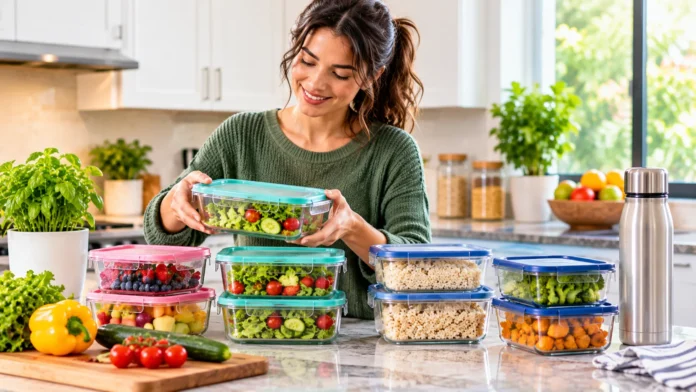
Choosing the best food storage containers for meal prep can make weekly cooking easier, keep your kitchen organized, and help maintain the quality of prepared meals. Whether you prepare lunches for work, organize family dinners, or store homemade leftovers, having reliable containers makes a noticeable difference. The right storage solutions help protect food from spills, simplify transportation, and reduce unnecessary waste.
Meal prep containers come in several materials, including glass, plastic, stainless steel, and silicone. Some feature airtight locking lids, while others include separate compartments for keeping different foods organized. Understanding these differences can help you select containers that match your cooking routine, storage space, and everyday preferences without spending money on unnecessary products.
This guide explores the best food storage containers for meal prep, including popular brands, useful features, material comparisons, and practical buying tips. You will also learn how to select appropriate container sizes, store prepared meals safely, and maintain your containers for long-term use.
What Are Meal Prep Food Storage Containers?
Meal prep food storage containers are reusable containers designed to hold prepared meals, ingredients, and leftovers for later consumption. They are commonly used to organize meals in refrigerators, freezers, and lunch bags. Unlike ordinary serving dishes, many meal prep containers feature secure lids, practical shapes, and materials suitable for repeated storage and transportation.
These containers are available in different sizes and designs to accommodate a wide range of foods. Small containers can hold sauces, chopped fruit, or snacks, while larger options are suitable for pasta, rice dishes, vegetables, and complete meals. Some designs feature separate compartments that help prevent ingredients from mixing during storage.
The purpose of meal prep containers is to make preparing and organizing food more convenient. They help individuals plan meals ahead, transport lunches, and manage leftovers without relying on disposable packaging. Choosing suitable containers also supports safer food handling when they are used with appropriate refrigeration, freezing, and reheating practices.
Why Good Food Storage Containers Matter for Meal Prep
Good food storage containers help maintain the quality of prepared meals by protecting them from spills and unnecessary exposure during storage. Secure lids reduce the likelihood of leakage, while suitable materials make cleaning and organization easier. This is particularly helpful for people who regularly transport lunches or prepare several meals at once.
Another benefit is improved refrigerator and freezer organization. Containers with compatible shapes can be stacked neatly, allowing you to use available storage space more efficiently. Transparent designs make it easier to identify meals without repeatedly opening every container, which can simplify everyday food selection and reduce forgotten leftovers.
Reusable food containers can also reduce dependence on single-use packaging. Durable products may remain useful for years when handled and cleaned according to manufacturer instructions. However, even high-quality containers cannot prevent food spoilage indefinitely, so appropriate temperatures and safe storage durations remain essential parts of successful meal preparation.
Best Glass Food Storage Containers for Meal Prep
Glass food storage containers are popular because they resist staining, retain fewer food odors, and provide a clear view of stored ingredients. Many glass designs can move between the refrigerator and microwave, depending on their specifications. Their durability and versatility make them appealing to people who frequently prepare homemade meals.
Glass containers are especially useful for foods containing tomato sauces, spices, or other ingredients that can discolor certain plastic surfaces. They are generally easy to clean and do not absorb flavors in the same way that some plastic containers may. However, their additional weight and potential to break make them less convenient for certain travel situations.
When purchasing glass meal prep containers, examine the lid design and product-specific temperature ratings. Not every glass product is oven-safe, and plastic or silicone lids often have different limitations from their bases. Avoid sudden temperature changes unless the manufacturer explicitly permits them, since thermal shock can damage some glass containers.
Pyrex Freshlock: Best for Everyday Glass Meal Prep
Pyrex Freshlock is a practical choice for people who prefer glass containers with secure locking lids. The collection includes different storage capacities, making it suitable for individual meals, leftovers, and ingredients. Its clear glass construction also allows users to see stored food without opening the container.
One notable feature is the four-tab locking lid system designed to create an airtight, leak-resistant seal. Freshlock containers also feature reusable labeling areas that help identify meals and preparation dates. The glass bases resist food stains and odors, making them useful for regularly storing different types of homemade dishes.
Many Freshlock models are suitable for refrigerator, freezer, microwave, and dishwasher use according to their individual instructions. Their combination of secure lids and practical sizes makes them convenient for meal preparation throughout the week. However, consumers should confirm specific product availability and care instructions because features can vary between sets.
Rubbermaid Brilliance: Best for Leak-Resistant Food Storage
Rubbermaid Brilliance is a widely recognized food storage collection offering both glass and plastic options. These containers are designed with transparent materials, secure locking lids, and stackable shapes. They are particularly useful for people who want organized refrigerator storage and containers suitable for transporting prepared lunches.
The Brilliance glass collection features airtight, leak-resistant lids with built-in vents for suitable microwave reheating. Its glass bases are designed for versatile use, while the locking system helps keep liquids and sauces contained. Selected glass bases are also oven-safe within the manufacturer’s specified temperature limits, providing additional flexibility.
Rubbermaid Brilliance plastic containers offer a lighter alternative for everyday transportation. They may be convenient for packed lunches, office meals, and refrigerator organization. Before reheating food, users should follow the product’s instructions regarding venting, microwave compatibility, and the safe handling of lids.
OXO Good Grips Smart Seal: Best for Versatile Kitchen Storage
OXO Good Grips Smart Seal glass containers offer another practical option for organizing prepared food. These containers use borosilicate glass and locking lids designed to create secure seals. Their simple appearance and functional design make them suitable for storing leftovers, prepared ingredients, and individual meal portions.
The removable silicone seals are especially useful because they allow more thorough cleaning around the lid edges. This design can help prevent food residue from accumulating in difficult-to-reach areas. Different container sizes also provide flexibility for storing small snacks, larger servings, and ingredients prepared for upcoming meals.
Smart Seal glass containers are designed for refrigerator and freezer storage, with certain models also supporting microwave and oven use under specified conditions. The glass bases and lids have different care requirements, so instructions should be checked carefully. These containers are attractive for households seeking reusable storage with practical cleaning features.
Best Plastic Meal Prep Containers for Lightweight Storage
Plastic meal prep containers remain popular because they are generally lightweight, convenient, and available in many affordable designs. They are useful for students, commuters, and households that regularly carry prepared meals outside the home. Their lighter construction can make transporting several containers easier than using an equivalent collection of glass products.
When choosing plastic food storage containers, look for products specifically manufactured for food contact and repeated use. Secure lids, sturdy construction, and suitable temperature ratings are important considerations. BPA-free labeling can provide information about a product’s materials, although it does not automatically establish compatibility with every cooking or reheating method.
Plastic containers may gradually develop scratches, stains, or odors, particularly when exposed to frequent use and strongly colored ingredients. Replace containers that become cracked, warped, or difficult to clean properly. Following manufacturer instructions for dishwashers, microwaves, and freezers can help preserve their usefulness and reduce unnecessary damage.
Best Compartment Meal Prep Containers for Organized Meals
Compartment meal prep containers feature divided sections that keep different foods separated during storage. These designs are particularly convenient for meals containing several components, such as rice, vegetables, protein sources, or sauces. Separating ingredients can help maintain their intended textures and make packed lunches easier to organize.
Some compartment containers feature two sections, while others have three or more. The ideal layout depends on the types of meals you regularly prepare rather than following a fixed food arrangement. A container with removable dividers may offer additional flexibility when switching between complete meals and larger individual portions.
Before purchasing divided containers, check whether the compartments are individually sealed. Some products have internal dividers that do not extend fully against the lid, allowing sauces to move between sections. Leak-resistant construction is especially important when transporting meals containing dressings, soups, or other liquids.
Glass vs. Plastic vs. Stainless Steel Meal Prep Containers
Glass, plastic, and stainless steel containers each offer advantages depending on your needs. Glass is useful for visibility and reheating, while plastic provides lightweight convenience. Stainless steel is durable and suitable for many cold foods, although conventional stainless steel containers must not be placed inside standard microwave ovens.
Glass may be preferable for storing strongly colored sauces because its surface generally resists staining and lingering odors. Plastic can be more convenient for travel because it weighs less and is less likely to shatter. Stainless steel offers durable construction, but opaque designs make identifying stored food more difficult without labels.
Silicone containers provide another alternative, particularly for flexible storage and compact organization. Some designs collapse or fold when empty, making them convenient in smaller kitchens. Regardless of material, check the manufacturer’s temperature instructions and select containers according to actual storage, transportation, and reheating needs.
How to Choose the Right Size Meal Prep Containers
Choosing appropriate container sizes makes meal preparation more convenient and helps prevent unnecessary storage problems. Small containers are useful for sauces, snacks, and individual ingredients, while medium-sized options accommodate many everyday meals. Larger containers work well for family portions, batch-cooked dishes, and prepared foods intended for sharing.
A collection containing several capacities is often more practical than purchasing identical containers for every situation. For example, compact containers can hold chopped vegetables, while larger rectangular designs accommodate complete lunches. Consider the volume and shape of your usual meals instead of choosing containers based solely on appearance.
Storage space is another important factor when deciding which sizes to purchase. Large containers may be difficult to stack in a compact refrigerator or transport in a lunch bag. Measuring shelves and considering how containers nest when empty can help you select a collection that fits your kitchen comfortably.
How to Store Meal Prep Food Safely
Food storage containers help organize meals, but correct refrigeration and handling are essential for preventing foodborne illness. Perishable prepared foods should be refrigerated promptly in clean, food-safe containers. Keep refrigerator temperatures at 40°F (4°C) or below and avoid leaving cooked meals at room temperature for extended periods.
Most cooked leftovers can generally be refrigerated for three to four days. Portions that will not be eaten within this period should be frozen promptly when appropriate. Labeling containers with preparation dates makes it easier to identify older meals and maintain a practical rotation throughout the week.
Reheating also requires attention because food should reach an appropriate temperature throughout. Many leftovers should be reheated to 165°F (74°C), and a food thermometer provides a reliable way to check. Use only microwave-safe containers for reheating and follow manufacturer instructions regarding lids, vents, and temperature limitations.
Conclusion
Choosing the best food storage containers for meal prep can make weekly cooking more organized, convenient, and enjoyable. Glass, plastic, stainless steel, and silicone containers provide different advantages depending on storage requirements and daily routines. Popular collections such as Pyrex Freshlock, Rubbermaid Brilliance, and OXO Good Grips Smart Seal offer useful features for organizing prepared food.
The ideal containers should provide secure lids, practical capacities, easy cleaning, and suitable compatibility with your kitchen equipment. Stackable designs, transparent materials, and separate compartments can improve organization while reducing unnecessary preparation challenges. Selecting containers that match your lifestyle is more valuable than purchasing an expensive collection with features you rarely use.
Reliable meal prep storage also depends on following food safety practices, including appropriate refrigeration, freezing, and reheating. Even high-quality containers cannot make perishable meals safe indefinitely. By combining suitable products with careful food handling, you can build an efficient meal planning routine that supports everyday convenience and reduces avoidable waste.
Frequently Asked Questions (FAQs)
What are the best food storage containers for meal prep?
Pyrex Freshlock, Rubbermaid Brilliance, and OXO Good Grips Smart Seal are useful options for meal preparation. The best choice depends on preferred material, container size, lid design, and storage requirements.
Are glass or plastic containers better for meal prep?
Glass containers resist staining and are convenient for compatible reheating methods. Plastic containers are lighter and easier to transport. Both can work well when manufactured for food storage and used correctly.
What size containers are best for weekly meal prep?
Medium-sized containers are convenient for many individual meals, while smaller containers work well for snacks and sauces. Larger options are useful for family portions and batch-cooked dishes.
How long can meal prep food stay in containers?
Most cooked leftovers can generally remain refrigerated for three to four days at 40°F (4°C) or below. Freezing suitable portions can extend storage time while helping maintain food safety.
Can meal prep containers go in the microwave?
Some glass and plastic meal prep containers are microwave-safe, but compatibility varies by product. Always check manufacturer instructions and follow guidance regarding lids, venting, and reheating temperatures.