
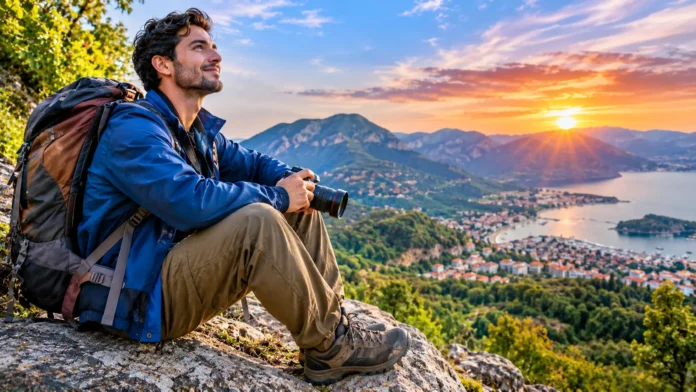
Traveling is more than visiting beautiful destinations, taking photographs, or spending time away from home. It offers opportunities to discover different cultures, experience new environments, and develop valuable life skills. Whether you explore a nearby city or travel to another country, each journey can introduce experiences that broaden your understanding of the world.
Many people travel to relax, escape everyday routines, or spend meaningful time with family and friends. However, the benefits of traveling often extend beyond entertainment and sightseeing. New experiences can encourage personal growth, strengthen relationships, improve adaptability, and create memories that remain meaningful long after a trip ends.
So, what are the 7 benefits of traveling? This guide explores how travel can support mental well-being, cultural awareness, confidence, learning, relationships, creativity, and physical activity. You will also discover practical tips for making travel more enjoyable, meaningful, and accessible, regardless of your budget or destination.
Why Is Traveling Important in Everyday Life?
Traveling allows people to experience environments that differ from their familiar surroundings. Everyday routines provide comfort and stability, but occasional changes can introduce fresh perspectives. Visiting new places encourages observation, curiosity, and interaction with different communities. These experiences can make ordinary life feel more interesting while creating opportunities for learning and personal development.
Travel also introduces people to different ways of living. Local traditions, architecture, food, transportation, and social customs can vary considerably between destinations. Experiencing these differences firsthand helps travelers understand that familiar habits are not universal. This awareness can encourage respect for other communities while deepening appreciation for one’s own cultural background.
The importance of travel does not depend on visiting expensive or distant destinations. A short weekend trip, local historical excursion, or family outing can also provide meaningful experiences. What matters is the opportunity to explore, learn, and enjoy a change of surroundings. Thoughtful travel can become a valuable part of a balanced and fulfilling lifestyle.
1. Traveling Can Help Reduce Stress
One of the most appreciated benefits of traveling is the opportunity to take a break from familiar responsibilities. School, work, household tasks, and daily commitments can sometimes feel mentally demanding. Visiting a different environment may provide space to relax and focus on enjoyable activities. For some people, this change helps reduce feelings of everyday stress.
Nature-focused trips can be particularly relaxing for travelers who enjoy peaceful surroundings. Walking through forests, spending time near lakes, or exploring scenic landscapes may encourage a sense of calm. Other people prefer cultural sightseeing, comfortable accommodation, or quiet afternoons in unfamiliar neighborhoods. The most relaxing experience depends on individual interests rather than a specific destination.
Travel does not automatically eliminate stress, and poorly planned trips may create additional pressure. Delayed transportation, crowded attractions, and unexpected expenses can affect the experience. Choosing realistic itineraries and allowing time for rest can make journeys more manageable. The goal is to enjoy a meaningful change of routine without turning every moment into another responsibility.
How to Make Travel More Relaxing
Relaxing travel begins with selecting destinations and activities that match your preferences. If crowded cities feel overwhelming, consider quieter towns, natural landscapes, or less demanding sightseeing routes. Travelers who enjoy social experiences may prefer lively cultural destinations. Understanding your interests helps create a trip that feels enjoyable rather than exhausting.
Avoid scheduling too many activities into a single day. Moving constantly between attractions can make travel feel like a demanding checklist. Allow time for meals, rest, and unexpected discoveries. A flexible schedule provides opportunities to appreciate individual locations while reducing the pressure of completing everything according to a strict timetable.
Comfortable accommodation, practical transportation arrangements, and reasonable expectations can also improve the overall experience. Prepare essential documents and confirm important bookings before departure. However, leave room for changes when circumstances require them. A balanced travel plan combines preparation with flexibility, helping you enjoy the journey without unnecessary stress.
2. Traveling Helps You Learn About Different Cultures
Travel provides valuable opportunities to experience traditions, languages, and lifestyles that differ from your own. Visiting historical landmarks, exploring local markets, and participating in cultural activities can introduce unfamiliar customs. These experiences often make cultural learning more memorable than simply reading about another country. Direct observation allows travelers to connect information with real places and communities.
Food is one enjoyable way to explore cultural differences. Regional dishes often reflect local ingredients, history, geography, and family traditions. Trying unfamiliar foods can lead to conversations about preparation methods and cultural significance. However, cultural understanding involves more than cuisine, and travelers should avoid assuming that one experience represents an entire community.
Respectful interaction with residents can provide deeper insight into everyday life. Learning a few phrases in the local language and following cultural expectations may improve communication. Asking thoughtful questions can also help challenge inaccurate assumptions. Traveling encourages cultural awareness when visitors approach unfamiliar traditions with curiosity, humility, and respect.
How Travel Builds Cultural Awareness
Cultural awareness develops when people recognize that communities may have different values, customs, and social expectations. Traveling provides opportunities to observe these differences in everyday situations. Simple experiences such as using public transportation or visiting local shops can reveal unfamiliar habits. These observations may encourage greater openness toward perspectives outside one’s usual environment.
Museums, heritage centers, and guided historical tours can provide useful context for understanding cultural traditions. Knowledgeable guides may explain how historical events shaped local communities and architecture. This background helps visitors move beyond surface-level sightseeing. Learning the stories behind important places often makes cultural experiences more meaningful and memorable.
Travelers should also recognize that cultures are diverse and constantly changing. People within the same country may have different beliefs, lifestyles, and traditions. Avoid making broad assumptions based on brief encounters or popular stereotypes. Responsible cultural exploration involves listening carefully, respecting local expectations, and acknowledging that every community contains many individual experiences.
3. Traveling Can Build Confidence and Independence
Travel often introduces unfamiliar situations that require practical decisions and problem-solving. Finding transportation, navigating a new neighborhood, or communicating in another language can feel challenging at first. Successfully handling these situations may help develop confidence. Each manageable experience provides an opportunity to practice making decisions outside familiar daily routines.
Independent travel can encourage planning, organization, and adaptability. Travelers may need to manage schedules, compare transportation options, and respond to unexpected changes. These responsibilities can strengthen practical life skills when approached carefully. However, independence does not require traveling alone, and guided or family trips can provide similar opportunities for learning.
Confidence develops gradually through experiences that match personal abilities and circumstances. Someone who feels uncomfortable navigating a large city might begin with a short, well-planned local trip. Another traveler may enjoy exploring more unfamiliar destinations with appropriate preparation. The most useful approach involves manageable challenges rather than taking unnecessary risks to prove independence.
Problem-Solving Skills You Gain From Travel
Travel plans sometimes change because of weather, transportation delays, or unavailable attractions. These situations require travelers to evaluate alternatives and make practical adjustments. Learning to respond calmly can strengthen adaptability and decision-making. Although unexpected problems may feel frustrating, resolving manageable difficulties can become part of the learning experience.
Budget planning is another useful skill developed through travel preparation. Comparing accommodation options, estimating transportation costs, and identifying essential expenses encourage financial organization. Travelers also learn to prioritize activities according to available resources. These decisions can provide practical experience that applies to other areas of everyday life.
Communication skills may improve when travelers interact with people from different backgrounds. Asking for directions, confirming reservations, and explaining preferences require clear and respectful communication. Language differences can encourage patience and creative problem-solving. Over time, these experiences may make unfamiliar situations feel less intimidating and improve confidence in everyday interactions.
4. Traveling Creates Opportunities for Learning
Traveling can turn historical, geographical, and cultural subjects into practical learning experiences. Visiting museums, ancient buildings, and natural landmarks helps connect information with real-world environments. Travelers may develop a better understanding of historical events by seeing where they occurred. These experiences can make learning more engaging and memorable.
Nature-focused trips also provide opportunities to learn about ecosystems, wildlife, and environmental conservation. National parks, botanical gardens, and guided nature walks introduce visitors to different landscapes and living organisms. Observing these environments firsthand can encourage curiosity about scientific concepts. Responsible activities should respect wildlife and protect sensitive natural areas.
Learning through travel does not require formal classes or educational programs. Everyday experiences such as exploring local markets, reading historical signs, or observing architecture can introduce useful information. Asking questions and reflecting on new discoveries helps deepen understanding. Travel can support lifelong learning when people remain curious about the places and communities they encounter.
How Traveling Encourages Creativity
New surroundings can introduce colors, architecture, music, landscapes, and ideas that differ from familiar experiences. These changes may inspire creative thinking and encourage people to explore different perspectives. Artists, writers, designers, and other creative individuals sometimes find inspiration while traveling. However, creativity can develop through many experiences and is not limited to international journeys.
Photography, journaling, and sketching provide enjoyable ways to record travel experiences. Visitors can capture interesting buildings, describe memorable conversations, or document unfamiliar environments. These activities encourage careful observation and personal expression. A simple travel journal can also help preserve details that might otherwise be forgotten after returning home.
Creative inspiration often comes from paying attention rather than visiting famous attractions. A quiet street, local craft workshop, or unexpected conversation may introduce an interesting idea. Allowing time for exploration can create space for these discoveries. Travel supports creativity when visitors remain open to new experiences and reflect on what they learn.
5. Traveling Can Strengthen Relationships
Traveling with family or friends provides opportunities to spend time together outside ordinary routines. Shared meals, sightseeing, and new experiences can create enjoyable moments and meaningful conversations. Without the usual distractions of everyday schedules, people may have more opportunities to connect. These experiences can contribute to stronger relationships when everyone feels comfortable and included.
Planning activities together also encourages communication and cooperation. Travelers may need to discuss destinations, budgets, schedules, and personal preferences before making decisions. Learning to compromise can support healthier interactions. However, group travel is most enjoyable when participants respect different interests and allow room for individual needs.
Shared travel memories can remain meaningful long after a trip ends. People may remember a beautiful viewpoint, an interesting museum, or an unexpected discovery during the journey. Looking back on these moments can strengthen feelings of connection. The value of traveling together comes from shared experiences rather than how expensive or elaborate the trip becomes.
Why Family Travel Can Be Educational
Family trips provide opportunities for children and adults to learn together through practical experiences. Visiting historical attractions, natural environments, and cultural destinations can encourage curiosity across different ages. Parents may use these experiences to introduce geography, history, and environmental awareness. Learning often feels more engaging when connected to places children can explore directly.
Travel also encourages family members to practice teamwork and responsibility. Children can participate in age-appropriate planning activities, such as choosing attractions or organizing personal belongings. Adults can explain basic travel safety and respectful behavior. These shared responsibilities provide practical learning opportunities while allowing children to feel involved in the experience.
The most enjoyable family trips consider the needs and interests of everyone participating. Long travel days and tightly packed schedules may be tiring, especially for younger children. Including rest periods and flexible activities can improve comfort. A thoughtful family itinerary supports enjoyable shared experiences without expecting every person to appreciate the same attractions.
6. Traveling Can Support Physical Well-Being
Many forms of travel naturally involve physical activity through walking, sightseeing, swimming, or exploring outdoor environments. Visiting a new city may encourage people to walk between attractions more frequently than usual. Nature-based trips can also introduce enjoyable movement opportunities. These activities may support general physical well-being when they match individual abilities and health needs.
Hiking through scenic landscapes, walking along beaches, or exploring botanical gardens can make movement feel enjoyable. However, demanding activities are not necessary to experience the benefits of travel. Gentle walking and comfortable outdoor exploration may be suitable for many visitors. Choosing appropriate activities allows people to remain active without unnecessary physical strain.
Travel can also create opportunities to spend time outdoors and experience different natural environments. Sunlight, fresh air, and enjoyable movement may contribute to a positive travel experience. However, travelers should consider weather, hydration, sun protection, and existing medical needs. Physical well-being is best supported through comfortable activities rather than demanding exercise goals.
Outdoor Adventures and Nature Experiences
Nature travel offers opportunities to explore mountains, forests, lakes, coastlines, and other natural environments. These destinations often provide a refreshing contrast to busy urban surroundings. Scenic viewpoints and peaceful walking paths can encourage visitors to slow down and appreciate their surroundings. Different activities allow travelers to experience nature according to their preferences.
National parks and protected landscapes frequently provide educational information about local wildlife and environmental conservation. Guided tours can help visitors understand ecosystems while following appropriate safety rules. Some locations offer accessible walking paths or comfortable sightseeing transportation. Checking facilities beforehand helps travelers choose activities suited to their physical abilities.
Responsible outdoor travel includes respecting marked trails, avoiding wildlife disturbance, and following local environmental guidelines. Travelers should also prepare for changing weather and carry appropriate supplies. These precautions help make outdoor experiences more comfortable and reduce unnecessary risks. Enjoying natural landscapes thoughtfully supports both personal well-being and the protection of important environments.
7. Traveling Creates Lasting Memories and Experiences
One of the most meaningful benefits of traveling is the opportunity to create memorable experiences. Visiting unfamiliar places often introduces sights, sounds, and activities that differ from everyday routines. These moments may become important personal memories. Whether the experience involves a famous landmark or a simple local discovery, its value depends on personal meaning.
Photographs, travel journals, and small souvenirs can help preserve memories after returning home. Looking back on these records may bring attention to interesting details and enjoyable moments. However, documenting every activity is not necessary. Sometimes, spending time fully engaged in an experience creates a stronger sense of connection than constantly taking photographs.
Travel memories may also influence future interests and goals. A visit to a historical destination might encourage someone to learn more about that region. Experiencing a new environment may inspire future creative projects or travel plans. These effects vary between individuals, but memorable journeys can contribute to an ongoing interest in learning and exploration.
How to Make Travel Experiences More Meaningful
Meaningful travel begins with understanding why you want to visit a destination. Some people seek relaxation, while others prioritize cultural learning, nature, or family time. Identifying these interests helps guide itinerary decisions. A trip that matches your personal goals is often more satisfying than one designed around popular social media attractions.
Consider including experiences that encourage genuine engagement with the destination. Visiting local museums, joining guided cultural tours, or exploring community markets can provide useful context. Take time to learn about local traditions before arriving. Respectful participation helps create more meaningful interactions while supporting responsible travel practices.
Avoid measuring the success of a trip only by the number of attractions visited. Spending an afternoon exploring one interesting neighborhood may be more enjoyable than rushing between several destinations. Leave room for rest and spontaneous discoveries. Meaningful travel is often shaped by thoughtful experiences rather than the length or cost of the journey.
Can Traveling Improve Mental Well-Being?
Travel may support mental well-being by providing enjoyable experiences and temporary relief from familiar pressures. Spending time in a preferred environment can encourage relaxation and positive emotions. For some people, new experiences also create a sense of motivation and curiosity. However, the psychological effects of travel vary according to circumstances and individual needs.
Traveling can introduce challenges, including uncertainty, unfamiliar surroundings, and unexpected expenses. These factors may increase stress for some individuals rather than reduce it. People with existing mental health concerns should not view travel as a replacement for professional care. Choosing manageable activities and maintaining supportive routines can make travel more comfortable.
The emotional value of travel often comes from a combination of rest, social connection, and meaningful experiences. Quiet nature trips may appeal to some travelers, while others enjoy lively city destinations. Recognizing personal preferences helps create realistic expectations. Traveling can complement a healthy lifestyle without being treated as a guaranteed solution to emotional difficulties.
How to Enjoy the Benefits of Traveling on a Budget
Traveling does not need to involve expensive international flights or luxury hotels. Exploring nearby cities, public parks, and regional attractions can provide enjoyable changes of scenery. Short trips may also require less planning and fewer financial resources. Focusing on meaningful activities rather than luxury experiences can make travel more accessible.
Budget planning begins with identifying transportation, accommodation, food, and activity expenses. Comparing options beforehand helps travelers understand the likely cost of a journey. Free museums, public gardens, and walking routes may provide valuable experiences without expensive admission fees. Setting realistic financial limits can reduce stress and support more comfortable travel decisions.
Consider traveling during less crowded periods when transportation and accommodation prices may be lower. However, check whether seasonal conditions affect attractions or local services. Combining nearby destinations can also reduce unnecessary transportation expenses. A carefully planned budget trip can provide opportunities for relaxation, learning, and connection without creating financial pressure.
Tips for Making Every Trip More Enjoyable
Successful travel planning begins with choosing destinations that match your available time and interests. Research important attractions, local transportation, and seasonal weather before booking. Understanding the basic requirements helps prevent avoidable difficulties. However, leaving some flexibility allows you to respond to unexpected changes and interesting opportunities.
Pack according to your destination’s climate and the activities you expect to enjoy. Comfortable clothing, necessary documents, and appropriate travel supplies are useful for most journeys. Check entry requirements and important travel advisories when visiting unfamiliar countries. Practical preparation helps create a smoother experience without requiring excessive luggage or complicated arrangements.
During the trip, focus on enjoying experiences rather than following a perfect schedule. Take breaks when needed, communicate respectfully with local residents, and remain mindful of personal safety. Try unfamiliar activities when they feel appropriate and comfortable. A balanced approach helps you experience the benefits of traveling while respecting your own needs.
Conclusion
Traveling offers benefits that extend beyond sightseeing and entertainment. It can provide opportunities to relax, explore different cultures, build confidence, develop knowledge, strengthen relationships, enjoy physical activity, and create lasting memories. Each benefit contributes differently depending on the traveler and the experiences involved.
The seven benefits of traveling become more meaningful when journeys are planned around personal interests and realistic expectations. A relaxing weekend trip may be just as valuable as a longer international adventure. Thoughtful planning, cultural respect, and flexibility can help make travel enjoyable without unnecessary pressure.
Whether you explore a nearby destination or travel across the world, every journey offers opportunities for discovery. Focus on experiences that encourage learning, connection, and personal enjoyment. With an open mind and practical preparation, traveling can become a rewarding part of your life.
Frequently Asked Questions
What Are the 7 Main Benefits of Traveling?
The seven main benefits include stress relief, cultural awareness, greater confidence, new learning opportunities, stronger relationships, physical activity, and lasting memories. Individual experiences and benefits vary between travelers.
Why Is Traveling Good for Mental Health?
Traveling may provide relaxation, enjoyable experiences, and opportunities for social connection. However, its effects vary, and travel should not replace professional mental health care when needed.
How Does Traveling Help Personal Growth?
Travel introduces unfamiliar situations that encourage decision-making, communication, and adaptability. These experiences may help people develop confidence, independence, and a broader understanding of different perspectives.
Can Traveling Improve Relationships?
Yes, shared travel experiences can encourage communication, teamwork, and meaningful time together. Planning activities that respect everyone’s interests can help create enjoyable memories and stronger connections.
Do You Need to Travel Abroad to Experience These Benefits?
No, local trips, nearby nature visits, and short weekend journeys can also provide opportunities for relaxation, learning, exploration, and shared experiences. Meaningful travel does not require expensive international destinations.