
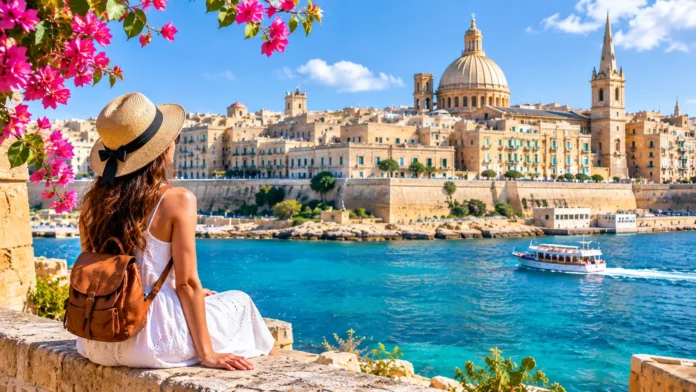
Malta is a beautiful Mediterranean destination known for its crystal-clear waters, historic cities, dramatic coastlines, and fascinating cultural heritage. Although the country is small, it offers an impressive variety of attractions, from ancient stone temples to picturesque fishing villages. Exploring the best things to do in Malta allows travelers to experience centuries of history alongside unforgettable island scenery.
Whether you enjoy discovering historic architecture, relaxing on sandy beaches, or exploring charming coastal communities, Malta offers something for nearly every traveler. Popular destinations include Valletta, Mdina, Gozo, Comino’s Blue Lagoon, and the spectacular Blue Grotto. Each location provides a different experience, making the islands suitable for family vacations, cultural trips, and scenic Mediterranean getaways.
Planning a Malta vacation becomes easier when you understand the country’s main attractions, transportation options, and seasonal conditions. Some sights are located close together, while others require ferry journeys or additional travel time. This guide explores memorable places to visit, practical sightseeing tips, and experiences worth including in your Malta itinerary.
Explore Valletta: Malta’s Historic Capital City
Valletta is one of Malta’s most impressive destinations, famous for its beautiful limestone architecture, historic streets, and breathtaking harbor views. The fortified capital was established during the sixteenth century by the Knights of St. John. Today, its UNESCO World Heritage status reflects the city’s remarkable historical and architectural significance.
Visitors can explore St. John’s Co-Cathedral, which features extraordinary Baroque decoration and important artistic treasures. The Grandmaster’s Palace and surrounding historic buildings offer additional opportunities to understand Malta’s past. Walking along Republic Street also reveals attractive shops, traditional balconies, public squares, and cafés surrounded by centuries-old architecture.
Upper Barrakka Gardens is another essential attraction, providing panoramic views over the Grand Harbour and the neighboring Three Cities. Its elevated terraces are particularly appealing for photography and peaceful sightseeing. Because Valletta is relatively compact, visitors can explore many of its major landmarks on foot while enjoying its distinctive Mediterranean atmosphere.
Discover Mdina: The Silent City of Malta
Mdina is a magnificent fortified city located in central Malta, known for its peaceful atmosphere and beautifully preserved medieval streets. Often called the Silent City, it served as Malta’s capital before Valletta became the country’s administrative center. Its narrow lanes, stone buildings, and historic gateways create a memorable setting for cultural exploration.
Walking through Mdina feels like discovering another period of Maltese history. Visitors can admire St. Paul’s Cathedral, explore charming courtyards, and appreciate the architectural details of historic residences. The city’s elevated position also provides impressive views across the surrounding countryside and distant coastal areas.
Mdina is particularly atmospheric during the late afternoon, when warm sunlight highlights its limestone walls. The nearby town of Rabat offers additional attractions, including historical sites and traditional streets. Combining both destinations allows travelers to experience an important part of Malta’s heritage without requiring a complicated sightseeing schedule.
Visit the Three Cities Across the Grand Harbour
The Three Cities are among Malta’s most fascinating historical destinations, located across the Grand Harbour from Valletta. They consist of Vittoriosa, also known as Birgu, Senglea, and Cospicua. These fortified communities played important roles in Malta’s maritime history and retain a distinctive architectural character.
Vittoriosa features beautiful narrow streets, historic buildings, and impressive waterfront surroundings. Fort St. Angelo is one of the area’s most significant landmarks, reflecting the strategic importance of the harbor. Visitors can also explore traditional neighborhoods and admire the contrast between historic fortifications and modern marina facilities.
Senglea offers attractive viewpoints overlooking the Grand Harbour, particularly around Gardjola Gardens. Cospicua provides additional opportunities to discover local architecture and traditional community life. A ferry journey from Valletta can make visiting the Three Cities particularly enjoyable, combining convenient transportation with scenic harbor views.
Take a Day Trip to Gozo Island
Gozo is Malta’s beautiful sister island, known for its peaceful villages, scenic countryside, and impressive coastal landscapes. It offers a slower atmosphere than the main island, making it appealing to travelers seeking natural beauty and cultural attractions. A day trip provides an introduction, although spending longer allows more opportunities for exploration.
Victoria, the island’s main town, features the historic Citadel, a fortified complex overlooking the surrounding countryside. Visitors can explore its streets, museums, and viewpoints while learning about Gozo’s fascinating heritage. The island also contains the Ġgantija Temples, prehistoric structures recognized for their remarkable archaeological significance.
Gozo’s coastline offers additional highlights, including Ramla Bay and the dramatic scenery around Dwejra. Travelers can discover traditional villages, local restaurants, and beautiful viewpoints throughout the island. Regular ferry connections make Gozo accessible from Malta, although transportation between its attractions requires additional planning and travel time.
Experience Comino’s Famous Blue Lagoon
The Blue Lagoon on Comino is one of Malta’s most recognizable natural attractions, celebrated for its brilliant turquoise water and dramatic coastal scenery. Located between Malta and Gozo, Comino is a small island with a largely undeveloped landscape. Its sheltered lagoon attracts visitors interested in swimming, sightseeing, and memorable Mediterranean views.
The lagoon’s clear water and rocky surroundings create a striking environment, particularly during sunny weather. Visitors can enjoy coastal views and designated swimming areas when sea conditions are suitable. However, the location can become extremely busy during popular travel periods, making advance planning especially important.
Access to the Blue Lagoon is managed through an official visitor booking system, so travelers planning to go ashore should check current reservation requirements before arriving. Boat transportation and land-access reservations are separate considerations. Respecting visitor limits, environmental rules, and sea safety guidance helps protect this fragile destination while supporting a more enjoyable experience.
Admire the Blue Grotto and Malta’s Coastal Caves
The Blue Grotto is a spectacular coastal attraction on the southern side of Malta, known for its sea caves and beautifully colored Mediterranean water. Its dramatic limestone cliffs create impressive scenery that attracts photographers and nature enthusiasts. The surrounding coastline offers memorable views even when boat excursions are unavailable.
Boat trips may allow visitors to see selected caves and their distinctive blue reflections when sea conditions are suitable. Sunlight interacting with the clear water and underwater surroundings creates the remarkable visual effects associated with the attraction. However, boat services depend on weather and sea conditions rather than operating under every circumstance.
Visitors can also admire the coastline from designated viewpoints above the sea. These elevated locations provide opportunities for landscape photography without requiring a boat excursion. Combining the Blue Grotto with nearby archaeological attractions can create an interesting day featuring both Malta’s natural beauty and prehistoric heritage.
Explore the Ancient Ħaġar Qim and Mnajdra Temples
Malta is home to extraordinary prehistoric monuments, and the Ħaġar Qim and Mnajdra temple complexes are among its most significant archaeological attractions. Located on the southern coast, these ancient structures date back thousands of years. Their enormous stone blocks demonstrate remarkable construction abilities developed long before many famous historical civilizations.
Ħaġar Qim features an impressive arrangement of megalithic structures that reveal aspects of prehistoric religious and community life. Mnajdra, situated nearby, is particularly interesting because of its relationship with sunlight during certain seasonal astronomical events. Both sites form part of Malta’s UNESCO-listed Megalithic Temples.
Exploring the temple complexes provides an opportunity to understand the islands’ earliest known architectural achievements. A visitor center offers interpretive information about their history and archaeological importance. Because the sites are exposed to outdoor conditions, comfortable walking shoes, suitable clothing, and sun protection can improve the visiting experience.
Visit the Ħal Saflieni Hypogeum
The Ħal Saflieni Hypogeum is one of Malta’s most extraordinary historical attractions, offering a rare glimpse into the island’s prehistoric past. Located in Paola, this underground archaeological complex contains chambers carved into limestone. Its remarkable construction and cultural significance have earned it recognition as a UNESCO World Heritage Site.
The Hypogeum was used during prehistoric times for burial and ceremonial purposes, making it an important source of archaeological knowledge. Visitors can learn about ancient communities and the methods used to create the underground chambers. The site’s carefully managed environment also contributes to the preservation of its delicate historical features.
Visitor numbers are strictly controlled to protect the monument, and tickets can sell out well in advance. Travelers should arrange admission early through authorized booking channels rather than expecting walk-in availability. Visiting the Hypogeum offers a memorable experience for anyone interested in archaeology, ancient history, and Malta’s unique cultural heritage.
Relax at Malta’s Most Beautiful Beaches
Malta offers a variety of beautiful beaches, ranging from sandy bays to rocky coastal swimming areas. The Mediterranean Sea creates attractive scenery throughout the islands, particularly during warmer months. Beach lovers can choose destinations based on their preferences for swimming, relaxation, photography, or access to nearby facilities.
Golden Bay is one of the country’s most popular sandy beaches, known for its beautiful surroundings and impressive sunsets. Għajn Tuffieħa, sometimes called Riviera Beach, provides another scenic option surrounded by natural slopes. Mellieħa Bay, also known as Għadira Bay, offers a broad sandy shoreline popular with families and visitors seeking relatively accessible beach facilities.
Beach conditions vary according to weather, sea currents, and the time of year. Some coastal locations involve steep paths or rocky entry points, making suitable footwear and careful planning important. Visitors should follow local swimming guidance, check beach safety flags, and avoid entering the water when conditions are unsafe.
Explore Marsaxlokk Fishing Village
Marsaxlokk is a charming fishing village in southeastern Malta, recognized for its colorful traditional boats and picturesque waterfront. Its harbor provides a distinctive setting that reflects the country’s longstanding maritime traditions. Visitors often come to experience the local atmosphere, photograph fishing boats, and explore the surrounding village streets.
The traditional Maltese fishing boats, known as luzzus, are particularly recognizable because of their bright colors and decorative details. The waterfront features restaurants and places where visitors can enjoy views of the harbor. Marsaxlokk’s Sunday market is another popular attraction, although its atmosphere and number of stalls can vary.
Exploring Marsaxlokk offers a different experience from Malta’s busy historic cities. The village is particularly appealing for leisurely walks and coastal photography. Travelers can also combine their visit with other southeastern attractions, creating a relaxed itinerary focused on local culture and scenic surroundings.
Enjoy the Scenic Views at Dingli Cliffs
Dingli Cliffs are among Malta’s most impressive natural landscapes, offering expansive views across the Mediterranean Sea. Located along the island’s western coastline, the cliffs rise dramatically above the surrounding waters. Their elevated position makes them a popular destination for travelers interested in peaceful scenery and outdoor photography.
The coastline provides opportunities to appreciate Malta’s rugged geological features and relatively open countryside. Visitors can admire the sea from suitable viewpoints and explore nearby walking areas. Sunset is particularly appealing when warm evening light transforms the appearance of the limestone cliffs and surrounding landscape.
Because the cliffs are high and certain areas lack protective barriers, visitors should remain on safe paths and avoid approaching unstable edges. Strong winds and uneven ground can create additional hazards. With appropriate precautions, Dingli Cliffs provide a beautiful contrast to Malta’s historic towns and busy coastal resorts.
Plan the Best Malta Itinerary for Your Vacation
Planning a Malta itinerary requires balancing cultural attractions, island excursions, and time for relaxation. Although Malta is geographically small, traffic, ferry journeys, and sightseeing schedules can increase travel times. Grouping nearby attractions together helps create a more comfortable vacation without unnecessary movement between distant locations.
Travelers with three days might prioritize Valletta, Mdina, and one coastal or island experience. A five-day vacation offers more flexibility to include Gozo, the Blue Grotto, and Malta’s prehistoric temples. Visitors staying a week can explore additional beaches, traditional villages, and lesser-known attractions at a more relaxed pace.
Spring and autumn often provide pleasant conditions for sightseeing, while summer attracts visitors interested in swimming and beach activities. Public buses, ferries, taxis, and rental vehicles offer different transportation options depending on the itinerary. Checking current attraction hours, transportation schedules, and booking requirements can help avoid unnecessary delays.
Conclusion
Malta offers an extraordinary combination of historical landmarks, beautiful coastal scenery, and memorable cultural experiences. From the magnificent streets of Valletta and Mdina to the ancient temples of Ħaġar Qim and Mnajdra, the country provides fascinating opportunities for exploration. Its compact geography makes it possible to experience several distinctive attractions within one vacation.
Natural destinations such as the Blue Lagoon, Blue Grotto, Dingli Cliffs, and Golden Bay reveal the beauty of Malta’s Mediterranean surroundings. Meanwhile, Gozo, Marsaxlokk, and the Three Cities showcase different aspects of island life and local heritage. Choosing a variety of destinations can make your trip more interesting and rewarding.
The best things to do in Malta depend on your interests, available time, and preferred travel experiences. A well-organized itinerary allows you to enjoy the country’s major sights without rushing through every attraction. Whether you prefer ancient history, seaside relaxation, or picturesque villages, Malta offers plenty of experiences worth the journey.
Frequently Asked Questions
What are the best things to do in Malta?
The best things to do in Malta include exploring Valletta, visiting Mdina, discovering the Three Cities, swimming at suitable beaches, and exploring Gozo. The Blue Lagoon and prehistoric temples are also popular attractions.
How many days do you need in Malta?
Four to five days provides enough time to see several major attractions. A week is ideal for travelers who also want to explore Gozo, enjoy beach activities, and discover smaller villages without rushing.
What is the best month to visit Malta?
May, June, September, and October are popular months for enjoying pleasant weather and sightseeing opportunities. Summer is generally hotter and busier, while spring and autumn can offer more comfortable conditions for walking.
Is Malta expensive for tourists?
Malta offers accommodation, restaurants, and attractions across different budgets. Costs vary depending on location, travel season, transportation, and activities, with popular coastal resorts often commanding higher prices during peak summer.
Can you visit Gozo and Comino in one day?
Yes, some organized excursions include both Gozo and Comino in one day. However, visiting them separately allows more time to explore Gozo’s historical attractions and enjoy Comino’s coastal scenery comfortably.