
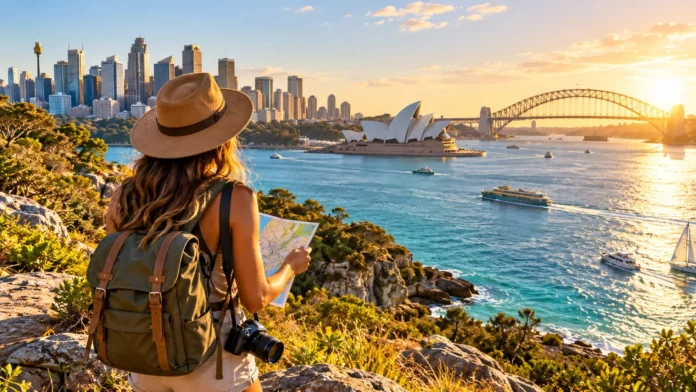
Australia is one of the most exciting travel destinations in the world, offering beautiful beaches, vibrant cities, unique wildlife, and breathtaking natural landscapes. From Sydney’s famous harbor to the Great Barrier Reef and the dramatic Australian Outback, the country provides unforgettable experiences for different types of travelers. However, its enormous size and diverse climate make careful travel planning particularly important.
Understanding essential Australia travel tips can help you prepare for a smoother, more enjoyable vacation. Knowing when to visit, how to get around, what to pack, and which local customs to respect can make a significant difference. Australia also has specific immigration, biosecurity, and environmental regulations that international visitors should understand before arrival.
Whether you are planning your first Australian adventure or returning to explore new destinations, preparation can help you avoid common travel mistakes. This guide covers practical advice about visas, transportation, accommodation, weather, budgeting, beach safety, cultural etiquette, and sightseeing. These tips will help you make informed decisions while exploring one of the world’s most remarkable countries.
1. Check Australia’s Visa and Entry Requirements
Before planning your Australian vacation, check which visa applies to your nationality and purpose of travel. Most international visitors need to obtain an appropriate visa before arriving in Australia. Available categories include visitor visas and electronic travel authorizations for eligible passport holders, but eligibility and conditions vary considerably.
Make sure your passport is valid and meets the requirements associated with your visa and airline. Some visa permissions are electronically connected to the passport used during the application process. If your passport changes before departure, you may need to update your travel authorization or obtain a new one.
Apply for the appropriate visa well before your intended departure date, allowing time for processing and additional documentation requests. Keep copies of your travel arrangements, accommodation details, and visa approval information. Always confirm the latest requirements through official Australian immigration guidance rather than relying on information from outdated travel articles.
2. Choose the Best Time to Visit Australia
Australia experiences different seasonal conditions from countries in the Northern Hemisphere because its seasons are reversed. Summer occurs from December through February, while winter extends from June through August. Spring and autumn fall between these periods, offering different travel opportunities depending on the region.
Southern destinations such as Melbourne, Sydney, and Tasmania experience more distinct seasonal changes than Australia’s tropical north. Northern regions generally have wet and dry seasons, with heavy rainfall possible during the warmer months. The best visiting period therefore depends on whether you prefer beaches, city sightseeing, tropical landscapes, or cooler outdoor experiences.
Spring and autumn are often comfortable seasons for visiting several major Australian cities. However, the dry season is particularly appealing for certain northern destinations, including parts of the Northern Territory and tropical Queensland. Reviewing regional weather patterns before booking helps ensure your travel plans match the activities you want to enjoy.
3. Understand How Big Australia Really Is
Australia is an enormous country, and distances between major destinations can be much greater than first-time visitors expect. Sydney, Melbourne, Brisbane, Perth, and Darwin are separated by substantial distances. Attempting to visit all these cities during a short vacation can result in excessive travel time and unnecessary exhaustion.
When planning an itinerary, choose destinations that are geographically convenient or connected by suitable transportation. For example, Sydney and Melbourne can be combined more easily than Sydney and Perth during a short trip. Focusing on one or two regions allows more time to appreciate attractions without constantly changing accommodation.
Australia’s size also means that driving conditions and travel services vary significantly. Urban highways, coastal routes, mountain roads, and remote Outback highways each require different planning considerations. Checking actual travel times rather than estimating distances from a map can help you create a realistic and comfortable itinerary.
4. Plan Your Australian Travel Budget Carefully
Australia can be an expensive destination, particularly when accommodation, domestic transportation, and major attractions are included. Costs vary between cities, seasons, and travel styles, making advance budgeting important. Popular destinations such as Sydney and Melbourne may require higher spending during holidays, festivals, and other busy periods.
Accommodation is often one of the largest travel expenses, especially for visitors staying in central tourist districts. Comparing hotels, guesthouses, serviced apartments, and other suitable properties can help you identify practical options. Booking early may provide more choices, although prices and cancellation conditions should always be reviewed carefully.
You can also manage expenses by using public transportation, exploring free attractions, and planning meals around local dining options. Public parks, beaches, waterfront walks, and selected museums offer opportunities for enjoyable sightseeing without high admission costs. Setting a flexible daily budget helps you balance convenience, comfort, and memorable experiences.
5. Use Public Transportation in Major Australian Cities
Public transportation is a convenient way to explore many Australian cities without renting a car. Sydney offers trains, buses, ferries, and light rail services, while Melbourne is particularly known for its extensive tram network. Brisbane, Perth, and Adelaide also provide established transportation connections between important urban areas.
Different cities use different ticketing arrangements and fare systems. Contactless payment is available on many services, although visitors should check accepted payment methods before traveling. Planning journeys through reliable local transport information can help reduce confusion when changing between trains, buses, ferries, and other services.
Public transportation is especially practical for sightseeing around central business districts and major attractions. However, some national parks, beaches, and regional destinations may have limited connections. Travelers should consider guided excursions or suitable private transport when visiting locations beyond established public transportation networks.
6. Remember That Australians Drive on the Left
One important Australia travel tip is remembering that vehicles travel on the left-hand side of the road. This can feel unfamiliar for visitors from countries where traffic uses the opposite side. Road layouts, intersections, and pedestrian crossings may require extra attention while adjusting to local conditions.
If you plan to drive, check the licensing requirements applicable to your overseas driver’s license. Certain visitors may need an English translation or International Driving Permit, depending on the issuing country and local state or territory rules. Always confirm eligibility before arranging a rental vehicle.
Australian road conditions can vary considerably between major cities and rural regions. Speed limits, parking restrictions, wildlife hazards, and weather conditions require careful attention. In remote areas, fuel stations and essential services can be widely separated, making route planning particularly important.
7. Pack for Australia’s Changing Weather
Packing for Australia requires considering the destinations and seasons included in your itinerary. Tropical northern regions can be hot and humid, while southern cities may experience cool weather during winter. Mountain areas can become significantly colder than nearby coastal destinations, even when the surrounding region seems relatively mild.
Lightweight clothing, comfortable walking shoes, and suitable sun protection are useful for many Australian vacations. A waterproof jacket or compact umbrella can also be practical because rainfall is possible in different seasons. Travelers visiting cooler regions should bring warm layers rather than assuming the entire country remains hot throughout the year.
Packing versatile clothing allows you to adapt to changing temperatures without carrying unnecessary luggage. Check accommodation facilities and baggage allowances before departure, particularly when using domestic flights. Selecting clothing according to your planned activities can make sightseeing, city exploration, and outdoor experiences more comfortable.
8. Protect Yourself From Australia’s Strong Sun
Australia experiences strong ultraviolet radiation, making sun protection important even when the weather feels relatively cool. Visitors can experience sunburn during beach outings, outdoor sightseeing, and other daytime activities. Cloud cover does not necessarily eliminate ultraviolet exposure, so travelers should consider sun protection throughout their vacation.
Use broad-spectrum, water-resistant sunscreen with SPF 50 or higher and reapply according to the product instructions. Wearing a suitable hat, sunglasses, and protective clothing can provide additional coverage. Seeking shade during periods of intense sunlight is another practical way to reduce unnecessary exposure.
Staying hydrated is also important, particularly during warmer weather or extended outdoor activities. Carry drinking water and take regular breaks when exploring exposed locations. If you experience unusual dizziness, weakness, or symptoms of heat illness, move into a cooler environment and seek appropriate medical assistance when needed.
9. Follow Beach Safety Rules in Australia
Australia is famous for its beautiful beaches, but ocean conditions can change quickly and require careful attention. Rip currents, strong waves, and unfamiliar underwater hazards can create risks even for confident swimmers. Choosing beaches with lifeguard services is a practical way to enjoy the coastline more safely.
At patrolled beaches, swimming between the red and yellow flags is generally the safest option because the area is monitored by lifesavers. Always follow posted warnings and instructions from qualified beach safety personnel. Avoid entering the water when conditions are hazardous or when swimming is prohibited.
In northern Australia, additional marine hazards may include dangerous jellyfish and crocodiles in certain coastal or waterway environments. Travelers should follow local restrictions and avoid assuming every attractive shoreline is suitable for swimming. Observing wildlife warnings and choosing designated swimming areas helps reduce unnecessary risks.
10. Respect Australia’s Unique Wildlife
Australia is home to extraordinary wildlife, including kangaroos, koalas, wombats, echidnas, and numerous distinctive bird species. Observing these animals can be one of the most memorable parts of an Australian vacation. National parks, wildlife sanctuaries, and protected natural areas provide opportunities to learn about native species and conservation.
Wild animals should be observed from a respectful distance without feeding, touching, or approaching them. Even animals that appear calm can behave unpredictably when disturbed or threatened. Feeding wildlife can also affect natural behavior and create health problems for animals that become dependent on human food.
Australia also has venomous snakes, spiders, and other potentially dangerous wildlife, although encounters do not automatically result in harm. The safest response is to leave unfamiliar animals alone and follow local guidance. When exploring natural environments, stay on established paths and avoid reaching into concealed spaces where animals may be present.
11. Understand Australian Culture and Local Etiquette
Australian culture is often associated with friendliness, informal communication, and a relaxed approach to everyday social interactions. However, social expectations still depend on the setting, individual preferences, and community traditions. Treating people respectfully and observing local customs helps create positive experiences during your travels.
Australia is also a multicultural country with communities representing numerous languages, traditions, and cultural backgrounds. Visitors can discover this diversity through restaurants, festivals, museums, and local neighborhoods. Learning about the country’s history and contemporary society can make a vacation more meaningful than focusing only on famous attractions.
Respect for Aboriginal and Torres Strait Islander peoples is particularly important when visiting cultural sites and traditional lands. Some places have photography restrictions, visitor protocols, or areas that should not be entered. Following guidance from Traditional Owners and authorized local representatives demonstrates respect for Australia’s living Indigenous cultures.
12. Visit Australia’s Famous Cities and Attractions
Sydney is one of Australia’s most recognizable destinations, featuring Sydney Harbour, the Opera House, and famous coastal attractions. Visitors can explore historic neighborhoods, waterfront parks, and cultural institutions. The city’s combination of natural scenery and urban experiences makes it especially appealing for first-time travelers.
Melbourne offers a different atmosphere, known for its art galleries, cafés, cultural events, and distinctive laneways. Brisbane provides access to warm-weather attractions and southeastern Queensland, while Perth offers beautiful western coastal scenery. Each major city has its own identity, making destination selection an important part of travel planning.
Australia’s natural attractions are equally impressive, including the Great Barrier Reef, Uluru, the Blue Mountains, and the Great Ocean Road. These destinations provide opportunities for nature appreciation, photography, and guided sightseeing. Choose activities appropriate to your abilities and follow local safety and environmental regulations when visiting protected areas.
13. Book Accommodation and Attractions in Advance
Booking accommodation ahead of time can be helpful when traveling during Australian school holidays, major festivals, and popular vacation periods. Demand can be particularly high in coastal destinations during summer and in certain regions during major cultural events. Early planning may provide more accommodation choices and convenient locations.
Major attractions may also require advance reservations, particularly guided experiences, popular tours, and activities with limited visitor capacity. National parks and protected areas sometimes have specific booking requirements for selected experiences. Checking official attraction information helps prevent disappointment and ensures that your plans reflect current visitor arrangements.
However, leaving some flexibility in your itinerary is equally valuable. Weather changes, transportation disruptions, and unexpected opportunities may influence your daily schedule. Choosing accommodation and activities with clear cancellation policies can help you adjust plans without unnecessary complications.
14. Understand Australia’s Strict Biosecurity Rules
Australia has strict biosecurity regulations designed to protect agriculture, native wildlife, and natural ecosystems from harmful pests and diseases. International travelers must declare certain food products, plant materials, animal products, and other potentially restricted goods. These requirements apply even when items are intended only for personal use.
Before packing, review current rules about bringing food, seeds, wooden items, outdoor equipment, and other regulated products into the country. Footwear and equipment previously used in rural environments may also need cleaning and declaration. Failure to declare required items can lead to penalties and other immigration consequences.
If you are uncertain whether an item needs declaration, disclose it to the appropriate border authorities and follow their instructions. Declaring an item does not necessarily mean it will be confiscated, as officers assess whether it meets entry conditions. Honest declarations help protect Australia’s environment and prevent avoidable difficulties when arriving.
15. Purchase Suitable Travel Insurance
Travel insurance is an important consideration when planning an international vacation, particularly when medical treatment or unexpected travel disruptions could create significant expenses. Overseas visitors may not qualify for Australia’s public healthcare benefits, depending on nationality and applicable arrangements. Understanding your medical coverage before departure can help prevent unexpected financial difficulties.
Choose insurance that matches your planned activities and travel arrangements. Consider coverage for emergency medical treatment, trip cancellation, baggage problems, and transportation interruptions. If you plan to visit remote destinations or participate in specialized activities, check whether the policy includes relevant exclusions or additional requirements.
Keep your insurance details accessible throughout the trip, including emergency contact information and policy documentation. Review the conditions carefully rather than assuming every medical or travel problem is automatically covered. Suitable insurance can provide useful financial protection when unexpected situations affect your travel plans.
16. Prepare for Visiting the Australian Outback
The Australian Outback offers remarkable scenery, including expansive desert landscapes, unusual rock formations, and culturally significant locations. However, remote travel requires more preparation than ordinary city sightseeing. Long distances, limited services, extreme temperatures, and unreliable mobile reception can create serious challenges for unprepared visitors.
For first-time travelers, organized sightseeing experiences with qualified operators may be a more manageable option than independent remote exploration. Visitors should check current access conditions, weather warnings, and cultural site requirements before making arrangements. Certain places also have important rules designed to protect Indigenous heritage and sensitive natural environments.
Choose travel plans appropriate to your experience and avoid entering isolated areas without reliable preparation and local guidance. Remote conditions can change unexpectedly, especially during intense heat or heavy rainfall. Following official advice and using established visitor services can help you appreciate the Outback without taking unnecessary risks.
17. Learn About Australian Money and Payments
Australia uses the Australian dollar, commonly abbreviated as AUD. Electronic payments are widely accepted in major cities, hotels, restaurants, and many tourist attractions. However, carrying a small amount of cash may still be useful when visiting markets, smaller communities, or businesses with limited payment facilities.
Before traveling, check whether your payment card supports international transactions and whether foreign transaction fees apply. Some businesses may add surcharges for particular card payments. Reviewing exchange rates and banking conditions can help you understand the actual cost of purchases during your vacation.
Budgeting applications or simple expense records can help you monitor spending while traveling. Keep payment cards secure and avoid carrying unnecessary amounts of cash. Using established financial services and checking transaction amounts before confirming purchases can make everyday travel expenses easier to manage.
18. Plan a Realistic Australia Travel Itinerary
A realistic itinerary should reflect Australia’s geographical size, your available vacation time, and the experiences you want to prioritize. Trying to visit too many distant destinations can create a schedule dominated by airports and transportation. Instead, select a manageable combination of cities, natural attractions, and regional experiences.
For a shorter vacation, consider spending time in Sydney and exploring selected nearby attractions. A longer trip may allow you to combine Sydney with Melbourne, Brisbane, or another region. Visitors interested in tropical Queensland, Western Australia, or the Northern Territory should account for additional travel time and seasonal conditions.
Allow free time between major sightseeing activities rather than filling every hour with scheduled plans. This creates opportunities for rest, local discoveries, and adjustments when conditions change. A thoughtful itinerary focuses on enjoying destinations rather than simply visiting the greatest possible number of attractions.
Conclusion
Australia is an extraordinary destination filled with beautiful coastlines, vibrant cities, unique wildlife, and spectacular natural landscapes. Preparing for the journey involves understanding entry requirements, seasonal weather, transportation options, and travel expenses. These essential Australia travel tips can help visitors create a more comfortable and enjoyable experience.
Safety and responsible tourism are equally important when exploring the country. Following beach warnings, protecting yourself from strong sunlight, respecting wildlife, and observing biosecurity regulations can help prevent avoidable problems. Learning about Indigenous cultures and local traditions also adds meaning to the travel experience.
Whether you plan to explore Sydney, discover the Great Barrier Reef, or admire Australia’s natural landscapes, thoughtful preparation makes a significant difference. Choose destinations that match your interests, plan realistic travel times, and remain flexible when unexpected situations arise. With good planning, your Australian vacation can become a memorable journey filled with exciting experiences.
Frequently Asked Questions
What Should I Know Before Traveling to Australia?
Check your visa requirements, passport details, seasonal weather, and transportation arrangements. Australia also has strict biosecurity regulations, strong ultraviolet radiation, and specific beach safety guidelines that international visitors should understand.
What Is the Best Month to Visit Australia?
March, April, September, and October can be pleasant for visiting many southern destinations. However, northern Australia often has better outdoor conditions during its dry season, generally from May through October.
How Much Money Do You Need for an Australia Trip?
Travel costs depend on accommodation, transportation, food, attractions, and the length of your stay. Major cities and peak holiday periods can be expensive, so prepare a realistic budget before departure.
Is Australia Safe for First-Time Tourists?
Australia is generally a manageable destination for first-time tourists, especially in established visitor areas. Travelers should still follow road rules, beach warnings, wildlife guidance, and weather advisories to reduce avoidable risks.
How Many Days Are Enough to Visit Australia?
Ten to fourteen days can provide a useful introduction to selected Australian destinations. A longer trip allows more time to explore different regions without spending too much of the vacation traveling.