
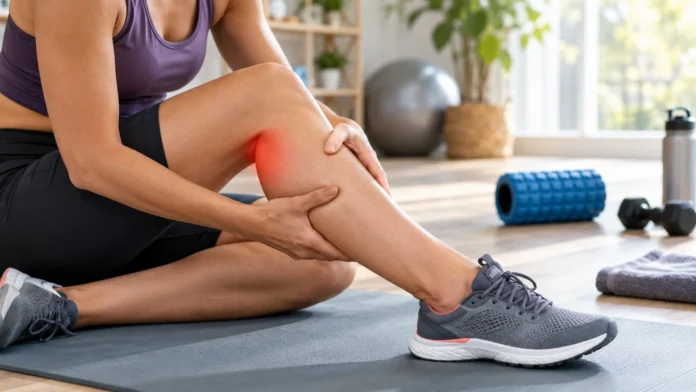
What Does Pain Behind the Knee Mean?
Pain behind the knee can feel like an ache, tightness, pressure, pulling, or sharp discomfort in the area at the back of the joint. The cause can range from muscle strain and tendon irritation to problems involving the knee joint itself. Symptoms may appear suddenly after activity or develop gradually over time.
The back of the knee contains several muscles, tendons, ligaments, blood vessels, and other tissues that work together during movement. Because many structures meet in this area, the location of pain alone does not always identify its exact cause. The nature of the discomfort, activity level, swelling, and other symptoms can offer useful clues.
Mild discomfort after unusual physical activity may improve with rest and sensible home care. However, persistent, severe, or unexplained pain deserves attention, especially when swelling, redness, warmth, weakness, or difficulty walking occurs. Sudden symptoms accompanied by significant leg swelling or breathing problems require urgent medical attention.
Common Causes of Pain Behind the Knee
A strained hamstring or calf muscle can cause discomfort around the back of the knee, particularly after running, jumping, lifting, or sudden changes in movement. Tendon irritation can also cause localized pain that becomes more noticeable during activity. These problems often develop after repeated stress or a sudden increase in exercise intensity.
A Baker’s cyst is another possible cause of fullness or discomfort behind the knee. It occurs when fluid from inside the knee joint collects in a sac at the back of the joint. Some people notice pressure or swelling that becomes more apparent when bending or straightening the knee.
Knee joint problems can also cause pain that seems to originate behind the joint. Osteoarthritis, cartilage problems, meniscus injuries, and ligament injuries may produce pain in different areas of the knee. A proper assessment is useful when symptoms persist because several conditions can have overlapping signs.
Hamstring and Calf Strains
The hamstrings are a group of muscles along the back of the thigh that help bend the knee and move the hip. A strain can happen when these muscles are stretched beyond their capacity or forced to contract suddenly. Pain may extend toward the back of the knee, especially during walking, running, or bending.
Calf muscles also attach near the knee and can contribute to discomfort in the area behind the joint. A calf strain may follow sprinting, jumping, climbing, or another activity involving sudden force. Tenderness, tightness, and discomfort during pushing off the foot can accompany this type of injury.
Mild muscle strains often improve when aggravating activities are reduced and the area is allowed to recover. Returning to demanding exercise too quickly can cause symptoms to return or delay recovery. Gradual movement and a sensible progression back to normal activity are generally more appropriate than immediately resuming intense training.
Baker’s Cyst and Swelling Behind the Knee
A Baker’s cyst, also called a popliteal cyst, is a fluid-filled swelling that develops behind the knee. It can occur when excess joint fluid pushes toward the back of the joint. Some cysts cause little discomfort, while others create tightness, pressure, or visible swelling.
The swelling may become more noticeable when the knee is straightened or after periods of activity. A Baker’s cyst is often associated with an underlying knee problem, such as arthritis or an internal joint irritation. Treating the underlying condition may be an important part of managing recurring symptoms.
A cyst can sometimes rupture, causing fluid to move down toward the calf. This may result in sudden calf swelling or discomfort and can resemble other conditions that require prompt medical assessment. New or rapidly developing calf swelling should therefore not automatically be assumed to be a simple cyst.
Knee Arthritis and Degenerative Changes
Arthritis can contribute to pain around different parts of the knee, including the area behind the joint. Osteoarthritis develops as the structures within the joint undergo gradual changes over time. Stiffness, reduced movement, aching, and discomfort after activity are common features.
Symptoms may be more noticeable after prolonged walking, climbing stairs, standing, or other weight-bearing activities. Some people also experience stiffness after sitting for an extended period. The severity of symptoms does not always correspond perfectly with visible joint changes, so an individual assessment can be helpful.
Managing knee arthritis often involves a combination of physical activity, strengthening, weight management when appropriate, mobility work, and other treatments selected according to individual needs. Complete inactivity is generally not a useful long-term strategy because maintaining appropriate movement can support joint function and overall physical capacity.
Meniscus Injuries and Knee Joint Problems
The menisci are pieces of cartilage inside the knee that help with load distribution and joint stability. A meniscus injury can occur after twisting the knee, changing direction quickly, or placing force through a bent joint. Degenerative changes can also affect the menisci over time.
Pain from a meniscus problem may occur along the joint line but can sometimes be felt toward the back of the knee. Clicking, catching, stiffness, swelling, or difficulty fully bending or straightening the knee may also occur. Symptoms often depend on the type and location of the injury.
If the knee repeatedly catches, locks, gives way, or remains swollen after an injury, professional assessment is sensible. Continuing activities that repeatedly trigger symptoms may aggravate the problem. A clinician can assess movement, stability, tenderness, and other findings to determine whether further evaluation is needed.
Tendon Problems Behind the Knee
Tendons connect muscles to bones and can become irritated when exposed to repeated loading. Several tendons pass around the back or sides of the knee, including structures associated with the hamstrings and calf. Repetitive running, jumping, or sudden increases in training can contribute to tendon-related pain.
Tendon discomfort may feel like a localized ache or pulling sensation that becomes more noticeable during specific movements. Symptoms can sometimes ease during rest and return when activity resumes. This pattern can make it tempting to ignore the problem, but repeatedly loading an irritated tendon may prolong recovery.
Managing tendon irritation usually involves adjusting the activity that triggers symptoms rather than stopping all movement. Gradual strengthening can be useful during recovery when appropriate, but the exercises and loading level should match the condition. Persistent tendon pain may require assessment from a healthcare professional or physical therapist.
How Activity Can Trigger Behind Knee Pain
Suddenly increasing exercise volume is a common reason for developing new muscle or tendon discomfort. Someone who normally walks may experience symptoms after beginning frequent running, while an experienced athlete may develop pain after adding extra training sessions. The tissues need time to adapt to increased physical demands.
Poor recovery can also contribute to recurring discomfort. High training volume, inadequate rest, changes in footwear, altered running surfaces, or sudden changes in technique may influence how forces move through the legs. These factors do not automatically indicate a serious injury, but they can help explain why symptoms appeared.
Keeping activity within a manageable range can reduce unnecessary stress while the area settles. Instead of repeatedly testing the painful movement, choose comfortable alternatives that maintain general activity without significantly increasing symptoms. As comfort and strength improve, activity can gradually return toward the previous level.
Relief Tips for Mild Behind Knee Pain
For mild pain that follows ordinary activity and has no concerning symptoms, temporarily reducing movements that aggravate the area may help. Gentle everyday movement can often be continued if it does not significantly increase discomfort. Avoid repeatedly pushing into painful ranges simply to test whether the knee has improved.
Cold or heat may feel helpful depending on the situation and individual preference. Cold is commonly used for short periods after a recent injury, while warmth may feel more comfortable for stiffness or muscle tension. Protect the skin and avoid extreme temperatures or prolonged application.
Elevation can be useful when swelling is present, particularly after activity. Comfortable positioning and gradual movement may help prevent the knee from becoming excessively stiff during recovery. If symptoms are getting worse rather than gradually improving, home care alone may not be enough and professional evaluation may be appropriate.
Gentle Exercises for Knee Recovery
Gentle movement can help maintain mobility when severe injury has been ruled out and the exercises do not significantly increase symptoms. Simple knee bends within a comfortable range can help maintain movement. Slow walking may also be suitable for some people when normal weight-bearing is comfortable.
Strengthening the muscles around the hips and legs can support knee function over time. Exercises such as controlled bridges, seated leg extensions, or supported squats may be suitable depending on the individual’s condition. Start with an easy level and avoid movements that produce sharp or escalating pain.
Exercise selection should be adjusted according to the suspected cause of the discomfort. A person recovering from a muscle strain may need a different progression from someone dealing with arthritis or a joint injury. A physical therapist can tailor exercises, repetitions, movement range, and progression when symptoms are persistent or complex.
When to Use Rest and When to Keep Moving
Rest can be useful when an activity clearly aggravates the knee, particularly during the early stage of a minor strain. However, prolonged complete inactivity can contribute to stiffness, reduced strength, and loss of confidence with movement. The goal is often to reduce harmful loading while maintaining comfortable activity.
Relative rest means modifying activities rather than stopping every form of movement. For example, someone who develops pain while running might temporarily switch to gentle walking if walking is comfortable. This approach can maintain general activity while reducing the specific stress that triggered the symptoms.
The appropriate balance depends on the cause and severity of the pain. Severe injuries, significant swelling, instability, or inability to bear weight require more caution than mild soreness after exercise. When uncertain, professional assessment can help determine which movements are appropriate during recovery.
Warning Signs That Need Medical Attention
Some symptoms behind the knee should not be managed solely with home remedies. Severe pain after an injury, major swelling, an obvious deformity, inability to bear weight, or a knee that becomes locked may require prompt medical evaluation. These signs can indicate a more significant injury.
Sudden swelling or pain in the calf is another important warning sign, particularly when the leg feels warm, looks red, or appears noticeably different from the other side. A blood clot in a deep vein can cause leg symptoms and requires urgent medical attention. The risk is especially important when symptoms develop without an obvious muscle injury.
Seek emergency care if leg symptoms occur together with chest pain, sudden shortness of breath, coughing blood, fainting, or severe breathing difficulty. These symptoms can indicate a potentially serious complication involving a blood clot. It is safer to seek urgent help rather than assuming the discomfort is simply related to the knee.
How a Doctor Diagnoses Behind Knee Pain
A healthcare professional usually begins by asking when the pain started, what activities affect it, and whether swelling, clicking, instability, or other symptoms are present. The knee and surrounding areas may then be examined for tenderness, movement limitations, strength, and stability. The examination helps narrow down possible causes.
Imaging is not necessary for every case of knee pain. Depending on the symptoms and suspected condition, a clinician may consider an X-ray, ultrasound, magnetic resonance imaging, or another test. The choice depends on the suspected problem, injury history, examination findings, and how symptoms develop over time.
A medical assessment is particularly useful when pain continues despite sensible activity modification or when symptoms repeatedly return. It can also help distinguish between muscle, tendon, joint, cyst-related, and other causes. Accurate identification of the underlying problem can make the recovery plan more appropriate.
How to Prevent Behind Knee Pain
Gradually increasing exercise is one of the simplest ways to reduce the risk of overuse problems. Avoid making large jumps in running distance, workout duration, intensity, or training frequency. Give your body enough time to adapt when starting a new activity or returning after a long break.
Strengthening the hips, thighs, calves, and core can support efficient movement during physical activity. Mobility work can also help you maintain comfortable movement ranges. Good technique matters, particularly during exercises involving repeated bending, jumping, running, or rapid changes of direction.
Recovery habits matter as much as the workout itself. Adequate sleep, balanced nutrition, hydration, sensible training schedules, and appropriate rest days can support physical performance. If recurring knee pain continues despite these adjustments, a qualified healthcare professional can help identify contributing movement or training factors.
Behind Knee Pain During Walking
Pain behind the knee while walking can have several possible explanations. Muscle tightness, tendon irritation, arthritis, a Baker’s cyst, or another knee problem may become noticeable when the joint repeatedly bends and straightens. The timing of the discomfort can offer useful information about its likely trigger.
Notice whether the pain appears during the first few steps, after prolonged walking, on hills, or only at faster speeds. Also pay attention to swelling, stiffness, clicking, or sensations of instability. These details can help a clinician understand how the symptoms behave during normal activity.
If walking remains comfortable but prolonged distances increase symptoms, temporarily shortening walks may help while the area recovers. Choose flatter routes and a manageable pace if those changes reduce discomfort. Persistent pain, worsening symptoms, or difficulty walking normally should be assessed rather than repeatedly pushed through.
Behind Knee Pain When Bending
Pain when bending the knee can occur with muscle tightness, tendon irritation, joint inflammation, meniscus problems, or a Baker’s cyst. Some people notice pressure at the back of the knee when the joint reaches deeper flexion. The exact sensation and accompanying symptoms can help narrow the possibilities.
Avoid forcing the knee into a deeply bent position if doing so produces sharp pain or significant pressure. Gentle movement within a comfortable range may be preferable while symptoms settle. Activities such as deep squats, kneeling, or prolonged sitting may need temporary modification if they repeatedly trigger discomfort.
If the knee cannot bend or straighten normally, becomes locked, or develops significant swelling, professional assessment is important. A sudden loss of movement after an injury deserves particular attention. Persistent limitation without an obvious injury also warrants evaluation when it interferes with everyday activities.
When Behind Knee Pain Should Not Be Ignored
Occasional mild soreness after unfamiliar activity is not necessarily a sign of serious damage. However, pain that repeatedly returns, steadily worsens, or interferes with walking and daily activities deserves closer attention. Persistent symptoms can sometimes indicate an underlying joint, tendon, muscle, or inflammatory problem.
Pay attention to changes rather than focusing only on pain intensity. New swelling, warmth, redness, weakness, instability, numbness, or reduced movement can change the significance of the symptoms. A pattern that is different from your usual post-exercise soreness is worth discussing with a healthcare professional.
Early assessment can sometimes prevent a minor problem from becoming a longer-lasting limitation. This is especially relevant for athletes, physically demanding workers, older adults, and anyone with recurring knee problems. The right approach depends on the cause, so persistent or unexplained symptoms should not be repeatedly self-treated without evaluation.
Conclusion
Pain behind the knee can result from several conditions, including muscle strains, tendon irritation, Baker’s cysts, arthritis, meniscus problems, and other knee-related issues. The location of the discomfort alone cannot identify the exact cause, so symptoms, activity history, swelling, movement, and injury details all matter.
Mild symptoms after ordinary activity may improve with sensible activity modification, comfortable movement, and gradual return to normal exercise. Avoid forcing painful movements or increasing training too quickly. When pain persists, repeatedly returns, or interferes with normal movement, professional assessment can help clarify the underlying problem.
Certain symptoms require faster attention, particularly sudden calf swelling, significant redness or warmth, inability to bear weight, major injury, or breathing problems accompanying leg symptoms. Knowing these warning signs can help distinguish ordinary soreness from situations requiring medical care. When in doubt about persistent or unusual knee pain, an appropriately qualified healthcare professional can assess the condition and guide recovery.
FAQs
What is the most common cause of pain behind the knee?
Common causes include muscle or tendon strain, overuse, arthritis, and a Baker’s cyst. The most likely cause depends on symptoms, recent activity, injury history, swelling, and how the pain behaves during movement.
Can a Baker’s cyst cause pain behind the knee?
Yes. A Baker’s cyst can cause fullness, pressure, stiffness, or aching behind the knee. It may become more noticeable when bending or straightening the joint and can be associated with an underlying knee problem.
Should I walk with pain behind my knee?
If walking causes only mild discomfort and does not worsen symptoms, gentle walking may be reasonable. Significant pain, swelling, instability, or difficulty bearing weight should prompt activity modification and professional assessment.
When is pain behind the knee an emergency?
Sudden calf swelling, warmth, redness, or pain can require urgent assessment, especially without an obvious injury. Leg symptoms accompanied by chest pain or sudden breathing difficulty require emergency medical attention.
How long does pain behind the knee take to improve?
Recovery varies according to the cause and severity. Mild muscle or activity-related discomfort may settle with appropriate modification, while joint, tendon, or other conditions can take longer and may require professional treatment.