
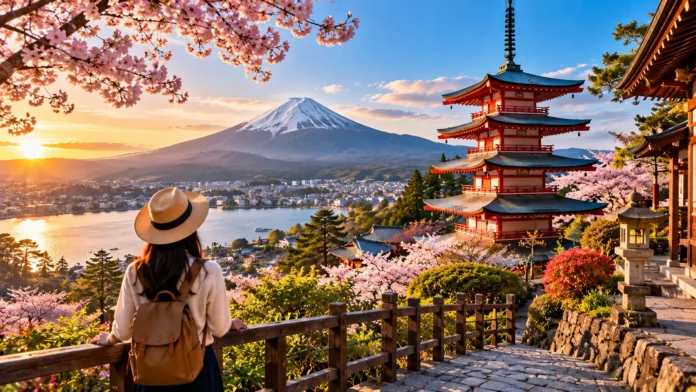
Japan is one of the most fascinating travel destinations in the world, offering a beautiful combination of ancient traditions, modern cities, natural landscapes, and unique cultural experiences. From Tokyo’s lively streets to Kyoto’s peaceful temples, the country provides countless opportunities for unforgettable adventures. Every region offers something different, making Japan an exciting destination for travelers with various interests.
This Place Place Japan travel guide explores the best things to do and see across Japan, including famous attractions, historic landmarks, scenic mountains, and traditional neighborhoods. Visitors can experience Japanese cuisine, explore cultural heritage sites, discover beautiful gardens, and enjoy spectacular seasonal scenery. Whether you prefer bustling cities or quiet countryside escapes, Japan offers an impressive variety of experiences.
Planning a trip to Japan becomes easier when you understand its major attractions, transportation options, and seasonal highlights. This guide covers popular destinations, memorable activities, and practical travel tips to help you organize an enjoyable journey. With thoughtful planning, you can discover both Japan’s iconic landmarks and its lesser-known cultural treasures.
1. Explore Tokyo – Japan’s Exciting Capital City
Tokyo is Japan’s vibrant capital and one of the world’s most exciting cities for travelers. It combines futuristic architecture, historic temples, colorful shopping districts, and an impressive food culture. Visitors can explore famous neighborhoods such as Shibuya, Shinjuku, and Asakusa, each offering a distinctive atmosphere and countless opportunities for sightseeing, entertainment, and cultural discovery.
Shibuya is particularly famous for its busy pedestrian crossing, fashionable shopping streets, and energetic urban environment. Asakusa offers a different experience with the historic Sensō-ji Temple and traditional shopping areas. Travelers can also visit observation decks, explore beautiful public gardens, and enjoy panoramic views of Tokyo’s remarkable skyline.
Tokyo’s excellent public transportation system makes exploring different neighborhoods relatively convenient. Visitors can travel between cultural landmarks, shopping districts, museums, and entertainment attractions using trains and subways. Spending several days in the city allows travelers to experience its modern lifestyle while discovering traditional Japanese customs, architecture, and everyday culture.
2. Visit Kyoto – Discover Traditional Japanese Culture
Kyoto is one of Japan’s most beautiful historic cities, famous for its traditional temples, peaceful gardens, and preserved cultural landmarks. Once the country’s imperial capital, Kyoto remains an important destination for understanding Japanese history and traditions. Its historic neighborhoods, wooden buildings, and religious sites create an atmosphere that feels very different from modern metropolitan areas.
Popular attractions include Fushimi Inari Taisha, Kinkaku-ji, and the scenic Arashiyama district. Visitors can walk through famous shrine pathways, admire traditional architecture, and explore beautiful gardens surrounded by natural landscapes. The city’s historic streets also offer opportunities to experience Japanese tea culture, local craftsmanship, and traditional restaurants.
Kyoto becomes especially beautiful during spring cherry blossom season and autumn foliage periods. However, these popular seasons can attract large crowds, particularly around major attractions. Exploring quieter neighborhoods, visiting landmarks early, and respecting local community guidelines can help travelers enjoy Kyoto’s cultural heritage in a more thoughtful and comfortable way.
3. Discover Osaka – Food, Shopping, and Entertainment
Osaka is one of Japan’s most energetic cities, known for its friendly atmosphere, delicious street food, and lively entertainment districts. Located in the Kansai region, it provides a different urban experience from Tokyo while offering convenient access to nearby cultural destinations. Travelers often appreciate Osaka’s combination of modern attractions, historic landmarks, and vibrant nightlife.
Dotonbori is among the city’s most recognizable areas, featuring colorful signs, restaurants, shopping streets, and busy pedestrian walkways. Osaka Castle is another major attraction, surrounded by attractive parkland and seasonal scenery. Visitors can also explore Kuromon Market, discover local shopping neighborhoods, and enjoy popular entertainment attractions throughout the city.
Food is an important part of Osaka’s identity, making the city particularly appealing to culinary travelers. Local specialties include takoyaki, okonomiyaki, and various noodle dishes served at restaurants and street-food establishments. Osaka also works well as a travel base for exploring Kyoto, Nara, and other destinations within the Kansai region.
4. See Mount Fuji – Japan’s Most Famous Natural Landmark
Mount Fuji is one of Japan’s most recognizable natural landmarks and an important symbol of the country’s cultural identity. This impressive volcanic mountain rises above the surrounding landscape and attracts visitors interested in photography, outdoor recreation, and scenic sightseeing. Its distinctive symmetrical appearance makes it one of the most photographed mountains in the world.
The Fuji Five Lakes region offers beautiful viewpoints, peaceful lakes, and opportunities to enjoy the mountain’s surrounding scenery. Lake Kawaguchi is especially popular because it provides attractive views of Mount Fuji during favorable weather. Visitors can explore lakeside walking routes, visit nearby museums, and enjoy the natural beauty of the surrounding countryside.
Mount Fuji is not visible every day because clouds and changing weather conditions frequently obscure the summit. Travelers should consider seasonal visibility when planning photography or sightseeing excursions. Those interested in climbing must also check official seasonal restrictions, access rules, and safety guidance because mountain conditions can be challenging.
5. Explore Nara – Ancient Temples and Beautiful Parks
Nara is a historic Japanese city known for its impressive temples, peaceful gardens, and famous deer population. Located near Kyoto and Osaka, it is a popular destination for day trips and cultural sightseeing. The city played an important role in Japan’s early history and contains several remarkable religious and architectural landmarks.
Nara Park is one of the city’s best-known attractions, offering spacious green areas and opportunities to observe free-roaming deer. Visitors can also explore Tōdai-ji Temple, which houses a magnificent Great Buddha statue. Other cultural attractions include Kasuga Taisha Shrine, traditional neighborhoods, and beautiful gardens that reflect Japan’s historic artistic traditions.
Travelers should remember that the deer are wild animals despite being accustomed to visitors. Following local feeding instructions and maintaining respectful distances helps protect both animals and people. Nara’s combination of historic architecture, natural scenery, and convenient transportation makes it a rewarding addition to a Japanese travel itinerary.
6. Visit Hiroshima – History, Culture, and Peace
Hiroshima is an important Japanese city known for its history, cultural landmarks, and commitment to promoting peace. Visitors come to learn about the events of 1945 while exploring a modern city that has undergone remarkable rebuilding. Hiroshima also offers attractive gardens, local cuisine, and convenient access to nearby coastal destinations.
The Hiroshima Peace Memorial Park and Peace Memorial Museum are among the city’s most significant attractions. These places encourage reflection on the consequences of war and the importance of peaceful international relationships. Travelers can also visit Hiroshima Castle, explore Shukkeien Garden, and discover local neighborhoods filled with restaurants and shops.
A visit to Hiroshima can be combined with an excursion to nearby Miyajima Island. The island is famous for Itsukushima Shrine, beautiful coastal scenery, and traditional streets. Together, Hiroshima and Miyajima provide a meaningful combination of historical understanding, cultural experiences, and natural beauty for travelers exploring western Japan.
7. Discover Hokkaido – Mountains, Nature, and Seasonal Beauty
Hokkaido is Japan’s northernmost main island and a wonderful destination for travelers who enjoy beautiful natural landscapes. It is known for its mountain ranges, national parks, expansive countryside, and distinctive seasonal scenery. Compared with Japan’s larger metropolitan regions, Hokkaido offers opportunities to experience quieter environments and outdoor attractions.
Sapporo, Hokkaido’s largest city, provides convenient access to restaurants, museums, shopping areas, and cultural attractions. Beyond the city, travelers can explore Furano’s seasonal flower fields, the scenic landscapes of Biei, and protected wilderness areas. National parks offer opportunities for nature observation and walking along established visitor trails.
Hokkaido changes dramatically throughout the year, making the ideal travel season dependent on personal interests. Winter brings snow-covered landscapes and popular seasonal festivals, while summer offers comfortable conditions for exploring nature. Autumn provides colorful foliage, creating beautiful scenery across forests, mountains, and countryside regions throughout the island.
8. Experience Okinawa – Tropical Beaches and Island Culture
Okinawa offers a completely different side of Japan, with turquoise waters, subtropical islands, beautiful beaches, and distinctive cultural traditions. Located in the southern part of the country, this island region is popular with travelers seeking coastal relaxation and warm-weather experiences. Its natural beauty and Ryukyuan heritage make it particularly interesting.
Visitors can explore Naha, discover historic castle sites, and enjoy beautiful coastal viewpoints. Okinawa’s surrounding islands offer opportunities for swimming, snorkeling, and observing marine environments through responsible guided experiences. Travelers can also discover traditional crafts, regional cuisine, and cultural attractions that reflect the islands’ unique historical influences.
The region’s weather differs from mainland Japan, with hot summers and a seasonal risk of typhoons. Travelers should check local forecasts and sea conditions before planning beach activities or island transfers. Okinawa is especially attractive for visitors who want to combine Japanese cultural experiences with a relaxing tropical holiday.
9. Explore Kanazawa – Traditional Gardens and Historic Streets
Kanazawa is a charming Japanese city known for its preserved neighborhoods, traditional craftsmanship, and beautiful landscape gardens. Located along the Sea of Japan, it offers a quieter cultural experience than some of the country’s busiest tourist centers. Visitors can discover historic architecture, regional food, and artistic traditions within a relatively compact city.
Kenrokuen Garden is one of Kanazawa’s most celebrated attractions, featuring ponds, carefully designed landscapes, and beautiful seasonal scenery. Nearby Kanazawa Castle Park offers additional opportunities for sightseeing and walking. Travelers can also explore the Higashi Chaya district, where historic wooden buildings preserve the atmosphere of traditional Japanese streets.
Kanazawa is especially appealing to visitors interested in arts, crafts, and local heritage. The city is associated with gold-leaf craftsmanship, ceramics, and traditional decorative techniques. Exploring its museums, markets, and historic districts provides insight into regional Japanese culture while offering an alternative to more heavily visited destinations.
10. Visit Nikko – Temples, Shrines, and Natural Beauty
Nikko is a scenic destination north of Tokyo, famous for its historic religious architecture and beautiful mountain surroundings. The area combines cultural heritage with forests, waterfalls, and attractive seasonal landscapes. Its accessibility from Tokyo makes it a popular choice for travelers interested in visiting historic landmarks outside the capital.
Nikko’s famous attractions include Tōshō-gū Shrine, elaborate decorative architecture, and peaceful forested pathways. The surrounding national park also features natural sights such as Lake Chūzenji and Kegon Falls. Visitors can enjoy sightseeing, photography, and walking routes while discovering the region’s connection to Japanese history.
Autumn is a particularly popular time to visit Nikko because the surrounding mountains and forests display colorful foliage. However, busy seasonal periods may bring crowds and transportation delays. Planning an early departure or staying overnight can give travelers more time to explore both the cultural landmarks and natural attractions.
11. Discover Hakone – Scenic Lakes and Hot Springs
Hakone is a beautiful mountain destination southwest of Tokyo, known for its hot springs, scenic lakes, and volcanic landscapes. Travelers frequently visit the area to escape the busy city environment and experience Japan’s traditional resort culture. On clear days, certain viewpoints also provide impressive views of nearby Mount Fuji.
Lake Ashi is one of Hakone’s main attractions, offering picturesque waterfront scenery and sightseeing opportunities. Visitors can explore Hakone Shrine, discover outdoor art museums, and experience scenic mountain transportation. The Ōwakudani volcanic area is another notable attraction, although access may change depending on volcanic activity and safety restrictions.
Traditional Japanese inns, known as ryokan, are popular accommodation choices in Hakone. Many offer Japanese-style rooms and access to hot spring bathing facilities. Visitors should check individual accommodation policies and bathing etiquette before arrival to enjoy a respectful and comfortable experience in this historic mountain resort region.
12. Experience Japanese Food and Traditional Culture
Japanese cuisine is one of the country’s greatest attractions, offering diverse flavors, regional specialties, and beautifully presented dishes. Travelers can enjoy sushi, ramen, udon, tempura, and countless local delicacies. Food experiences vary significantly between regions, making culinary exploration an enjoyable part of traveling throughout Japan.
Traditional Japanese culture can also be experienced through tea ceremonies, festivals, historic architecture, and local craftsmanship. Visitors may participate in cultural workshops, explore museums, or attend seasonal community events. These activities provide opportunities to learn about Japanese customs while supporting local businesses and preserving traditional artistic practices.
Respectful behavior is particularly important when visiting temples, shrines, and historic neighborhoods. Travelers should follow posted rules, speak quietly in appropriate settings, and ask permission before photographing people. Learning a few basic Japanese phrases can also make everyday interactions more comfortable and help visitors connect with local communities.
Best Time to Visit Japan for Sightseeing
The best time to visit Japan depends on your preferred weather, activities, and seasonal attractions. Spring, particularly March through May, is popular because of cherry blossoms and generally pleasant temperatures in many regions. However, flowering periods vary by location and weather conditions, making advance planning important for travelers hoping to see blossoms.
Autumn, usually from September through November, is another attractive season for sightseeing. Many areas experience comfortable weather and beautiful foliage, particularly during October and November. Summer offers lively festivals and green landscapes but can also bring intense heat, humidity, and seasonal rain in several parts of Japan.
Winter provides opportunities to experience snow-covered landscapes, seasonal illuminations, and traditional hot spring destinations. Northern regions such as Hokkaido are particularly well known for winter scenery. Travelers should consider regional weather differences because Japan stretches across several climatic zones, creating varied travel conditions throughout the year.
Essential Japan Travel Tips for First-Time Visitors
Planning transportation in advance can make traveling around Japan more convenient. The country’s railway networks connect major cities and numerous regional destinations, while local buses provide access to smaller communities. Visitors should compare individual train tickets with available rail passes because nationwide passes are not automatically the cheapest option.
Accommodation choices range from modern hotels and traditional inns to guesthouses and budget-friendly properties. Booking ahead is helpful during cherry blossom season, national holidays, and other busy travel periods. Travelers should also check passport validity, entry requirements, and local transportation arrangements before departure to avoid unnecessary complications.
Japanese customs may differ from those in other countries, making cultural awareness an important part of travel preparation. Visitors should respect queues, follow local waste disposal practices, and observe etiquette in public spaces. Carrying some cash can also be useful because smaller businesses and rural establishments may not accept every international payment method.
Conclusion
Japan is an extraordinary destination that combines fascinating history, modern innovation, remarkable natural landscapes, and memorable cultural experiences. From Tokyo’s energetic neighborhoods to Kyoto’s historic temples, every region reveals a different aspect of the country. Travelers can explore mountain scenery, beautiful islands, traditional gardens, and world-famous attractions throughout their journey.
This Place Place Japan travel guide highlights some of the best things to do and see for visitors planning their next adventure. Whether you prefer exploring major cities, discovering regional cuisine, or relaxing in scenic countryside destinations, Japan offers countless opportunities. Choosing locations based on your interests and available travel time can make your itinerary more enjoyable.
A successful trip to Japan involves balancing popular attractions with opportunities for authentic cultural discovery. Respecting local traditions, understanding transportation options, and considering seasonal weather can improve your overall experience. With thoughtful planning and an adventurous spirit, Japan can provide unforgettable memories and a deeper appreciation of its beautiful landscapes and rich cultural heritage.
Frequently Asked Questions (FAQs)
1. What are the best places to visit in Japan?
Tokyo, Kyoto, Osaka, Nara, Hiroshima, Hokkaido, and Okinawa are among Japan’s most popular destinations. Each offers unique attractions, including historic temples, modern cities, natural landscapes, beautiful beaches, and cultural experiences.
2. How many days are enough to explore Japan?
A seven-to-ten-day trip allows travelers to experience several major destinations, including Tokyo, Kyoto, and Osaka. Two weeks or longer provides additional opportunities to explore smaller cities, natural attractions, and regional cultural experiences.
3. What is the best month to visit Japan?
April and November are popular months because many regions experience pleasant weather and attractive seasonal scenery. April often brings cherry blossoms, while November is known for beautiful autumn foliage in several destinations.
4. Is Japan expensive for tourists?
Travel costs in Japan depend on transportation, accommodation, dining preferences, and activities. Budget-conscious travelers can reduce expenses by using public transportation, choosing affordable hotels, and eating at reasonably priced local restaurants.
5. What should first-time visitors know before traveling to Japan?
First-time visitors should research transportation, accommodation, seasonal weather, and entry requirements. Understanding basic Japanese etiquette, carrying suitable payment methods, and planning major attractions in advance can make traveling easier.