
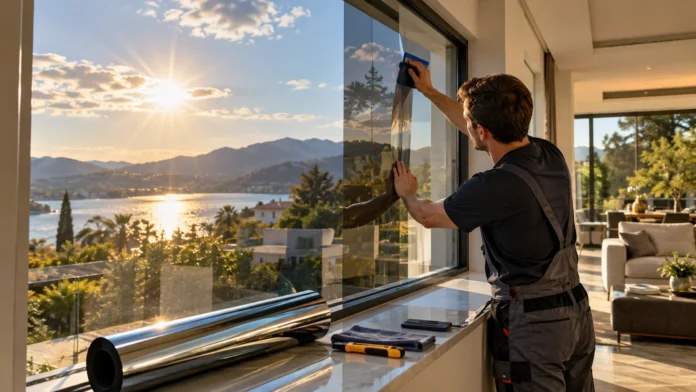
Reflective window film is a popular solution for homeowners and businesses looking to reduce sunlight, improve daytime privacy, and manage indoor temperatures. This thin coating is applied to glass surfaces to reflect a portion of incoming solar energy. Its mirror-like appearance can also change the exterior look of windows while helping create a more comfortable indoor environment.
Many people choose reflective window tint because it offers practical benefits without requiring complete window replacement. It can help reduce glare, limit solar heat gain, and protect interior furnishings from ultraviolet exposure. However, reflective films also have limitations, including reduced nighttime privacy and possible compatibility issues with certain glass types.
Understanding reflective window film pros, cons, and costs can help you decide whether this upgrade is suitable for your property. This guide explains how reflective window films work, their main advantages and disadvantages, installation expenses, maintenance requirements, and important considerations before purchasing.
What Is Reflective Window Film?
Reflective window film is a thin material applied to glass to control sunlight, heat, and visibility. It typically contains specialized coatings that reflect certain portions of solar radiation. These coatings create a metallic or mirror-like appearance while allowing varying amounts of visible light to pass through the window.
Reflective films are commonly installed on residential windows, office buildings, storefronts, and other glazed surfaces. They are available in different shades, reflectivity levels, and performance categories. Some products have a highly mirrored exterior, while others provide a more subtle reflective appearance that preserves greater visibility through the glass.
Unlike decorative window coverings, reflective window films are designed to manage how light and solar energy interact with glass. Their performance depends on the product’s optical properties and the existing window construction. Selecting an appropriate film requires considering sunlight exposure, privacy needs, glass compatibility, and the desired appearance.
How Does Reflective Window Film Work?
Reflective window film works by changing how incoming sunlight interacts with a glass surface. Depending on its construction, the film reflects or absorbs portions of solar radiation while transmitting some visible light. This process can reduce the amount of solar heat entering a building through windows.
Many reflective films use metallic or specialized multilayer coatings to manage different wavelengths of light. Some designs emphasize visible reflection, while others balance heat rejection with natural daylight. The overall performance depends on the film’s solar heat gain characteristics, visible light transmission, and compatibility with the window.
The mirror effect is also influenced by differences in lighting between the interior and exterior. During bright daylight, reflective windows may appear more mirrored from outside. At night, interior lighting can make rooms visible from outdoors, meaning standard reflective window film should not be considered a permanent privacy barrier.
Main Benefits of Reflective Window Film
One of the biggest benefits of reflective window film is its ability to reduce unwanted solar heat. Windows exposed to strong sunlight can increase indoor temperatures and create uncomfortable areas near the glass. A suitable reflective film can help manage these conditions by limiting the solar energy entering the building.
Another advantage is glare reduction, particularly in rooms containing televisions, computer monitors, and other reflective surfaces. Excessive sunlight can make screens difficult to view and create uncomfortable brightness. Reflective films can reduce this problem while maintaining some natural daylight, depending on the product’s transparency.
Reflective window tint may also provide daytime privacy and reduce ultraviolet exposure. These benefits can make living rooms, offices, and other sunny spaces more comfortable. However, the level of improvement depends on film specifications, window orientation, surrounding conditions, and the lighting differences between indoor and outdoor environments.
Disadvantages of Reflective Window Film
Although reflective window film offers several benefits, it also has limitations that homeowners should understand. One common disadvantage is reduced natural light, especially when using darker products with low visible light transmission. Rooms that already receive limited daylight may feel noticeably dimmer after installation.
Another concern is the limited privacy provided during nighttime hours. Reflective film generally creates its strongest mirror effect when the outside is brighter than the inside. When interior lights are switched on after dark, people outside may be able to see into the room more easily than expected.
Certain reflective films can also create problems when installed on incompatible glass. Heat absorption and uneven temperature differences may increase the risk of thermal stress damage in some windows. Professional compatibility assessment is important, particularly for insulated, tinted, laminated, or otherwise specialized glazing systems.
Does Reflective Window Film Provide Privacy?
Reflective window film can improve daytime privacy by making it more difficult for people outside to see through the glass. Its mirror-like surface reflects surrounding outdoor scenery when exterior light is significantly brighter than interior light. This makes it attractive for street-facing rooms and offices requiring some daytime visual separation.
However, reflective film does not provide reliable two-way privacy under every lighting condition. At night, illuminated interiors may become visible because the lighting relationship is reversed. This limitation is especially important for bedrooms, bathrooms, and other spaces where privacy is needed throughout the day.
Homeowners seeking dependable nighttime privacy may need curtains, blinds, or other window coverings alongside reflective film. Frosted films can also provide privacy in certain applications, although they usually reduce clear visibility in both directions. Understanding these differences helps prevent unrealistic expectations about reflective window tint.
Can Reflective Window Film Reduce Heat?
Reflective window film can help reduce solar heat gain by reflecting or absorbing some of the energy that would otherwise pass through glass. This can make sunny rooms feel more comfortable during warm weather. The amount of heat reduction depends on the selected product, existing glazing, window orientation, and surrounding climate.
High-performance solar control films are designed to manage substantial amounts of incoming solar energy. However, product claims should be evaluated using recognized performance measurements rather than broad marketing descriptions. Total solar energy rejection and solar heat gain coefficients provide more useful comparisons than appearance alone.
Reflective window film cannot completely eliminate heat transfer or replace a properly functioning heating and cooling system. Its effectiveness is greatest when unwanted sunlight contributes significantly to indoor overheating. Homes with substantial heat gain from roofs, poor insulation, or air leakage may need additional improvements to achieve comfortable temperatures.
Does Reflective Window Tint Save Energy?
Reflective window tint may reduce cooling energy consumption by limiting the amount of solar heat entering a building. In warm climates, this can reduce the work required from air conditioning systems during sunny periods. However, the actual energy savings depend on local temperatures, building design, and the performance of existing windows.
South-facing and west-facing windows in the Northern Hemisphere can receive substantial sunlight, although exposure varies with season and shading. Applying appropriate solar control film to heavily exposed windows may improve indoor comfort. Energy performance should be evaluated based on actual sunlight conditions rather than assuming every window will deliver identical savings.
Potential energy savings should also be considered alongside possible reductions in useful winter solar heating. In colder climates, rejecting sunlight may increase heating needs during certain periods. A suitable film should therefore match the property’s overall climate and energy requirements rather than focusing exclusively on summer heat rejection.
Reflective Window Film Costs in 2026
The cost of reflective window film varies depending on film quality, window dimensions, installation requirements, and geographic location. In the United States, basic reflective window film materials may cost approximately $1 to $5 per square foot. Professional installation can increase the total expense because labor and preparation requirements vary between projects.
For many residential projects, professionally installed reflective film may cost approximately $7 to $15 per square foot. Specialized products, difficult access, and complicated glazing systems can result in higher prices. These figures are general US market estimates rather than guaranteed quotations, and actual local costs may differ substantially.
For example, applying film to 100 square feet of glass could cost approximately $700 to $1,500 at those installed rates. Smaller projects may attract minimum service charges, while larger jobs may qualify for different pricing structures. Obtaining detailed quotations from qualified installers is the most reliable way to estimate a specific property’s expenses.
Factors That Affect Reflective Window Film Prices
Window size is one of the most important factors affecting reflective film installation costs. Larger windows require more material, while complicated shapes may increase cutting and fitting requirements. Multiple small panes can also require additional labor because each section must be measured and prepared separately.
Film quality and performance specifications influence pricing as well. Premium products may offer improved solar control, optical clarity, scratch resistance, or longer warranty coverage. Specialized architectural films can cost more than basic reflective products because they use advanced materials or require more careful compatibility assessments.
Installation conditions also contribute to the overall expense. High windows, difficult access, existing film removal, and damaged surfaces may increase labor requirements. Professional installers may charge additional fees for special equipment or preparation, so written quotations should clearly identify material costs, labor charges, and any optional services.
Different Types of Reflective Window Film
Reflective window films are available in several categories designed for different appearance and performance requirements. Silver reflective films are among the most recognizable options because they create a pronounced mirror-like exterior. These products are commonly considered for offices, homes, and commercial buildings where glare control and daytime privacy are important.
Dual-reflective films are designed with different reflectivity levels on their interior and exterior surfaces. They can provide a relatively reflective exterior appearance while reducing distracting reflections inside the room. This design may improve nighttime views compared with highly reflective films, although it does not guarantee complete nighttime privacy.
Other solar control films combine reflective characteristics with advanced coating technologies. Some products emphasize heat rejection while maintaining relatively high visible light transmission. Comparing technical specifications is important because two films with similar exterior appearances may perform differently in terms of energy control, transparency, and interior comfort.
Reflective Window Film vs Regular Window Tint
Reflective window film and conventional tinted film both modify the amount of sunlight passing through glass. However, reflective products are specifically designed to redirect portions of incoming solar energy through reflective coatings. Regular tinted films may rely more heavily on absorption, although actual performance varies between product designs.
Reflective films often create a noticeable mirror effect that can improve daytime privacy under suitable lighting conditions. Standard tinted products may darken the glass without producing the same level of exterior reflection. Both categories can reduce glare, but privacy and heat rejection depend on their individual optical properties.
Choosing between reflective and nonreflective window tint depends on appearance preferences, daylight requirements, and energy performance goals. A highly mirrored product may suit some commercial buildings but look unsuitable on certain residential properties. Comparing verified performance ratings provides a better basis for selection than judging film quality by color alone.
Reflective Window Film vs Frosted Window Film
Reflective and frosted window films serve different purposes, although both can affect privacy and visibility. Reflective film generally maintains a clearer view through the glass under appropriate lighting conditions. Frosted film creates a translucent appearance that obscures details while allowing some daylight into the room.
Frosted window film is commonly used for bathrooms, office partitions, entrance doors, and other locations requiring visual privacy. Unlike standard reflective film, its privacy effect does not depend primarily on having brighter light outside. However, silhouettes and close objects may remain visible through some translucent products.
Reflective film may be preferable for controlling glare and solar heat while maintaining views of the outdoors. Frosted film is generally more suitable when obscuring visibility is the main requirement. Homeowners should choose based on privacy expectations, light transmission, and room function rather than treating these products as interchangeable.
Where Can Reflective Window Film Be Installed?
Reflective window film is commonly used in living rooms, home offices, bedrooms, and other spaces exposed to strong sunlight. Large windows can benefit from suitable solar control products when glare or overheating affects indoor comfort. However, the film must be compatible with the window’s glazing system.
Commercial buildings also use reflective films on office windows, conference rooms, and certain storefronts. These applications may improve visual comfort and provide a more uniform exterior appearance. Building owners should consider architectural requirements, local regulations, and the effect of exterior reflections on neighboring properties.
Not every glass surface is suitable for reflective film installation. Certain insulated glass units, specialty coatings, and heat-sensitive glazing systems may require particular products or professional evaluation. Manufacturers provide compatibility guidance to help prevent problems related to thermal stress, seal performance, and existing window warranties.
DIY vs Professional Reflective Window Film Installation
DIY reflective window film products may appeal to homeowners who want to reduce material and labor expenses. Smaller residential windows are sometimes suitable for homeowner-installed films specifically designed for that purpose. However, achieving a consistent appearance can be difficult when glass preparation, measurement, or application quality is poor.
Professional installation generally provides more predictable results, particularly for large windows or expensive architectural glass. Qualified installers can assess product compatibility, recommend appropriate film specifications, and explain warranty conditions. Their experience may help reduce visible imperfections such as trapped particles, wrinkles, uneven edges, and adhesion problems.
The main consideration is not simply whether professional installation costs more than a DIY product. Incorrect film selection or installation can create additional expenses if the material must be replaced or damages incompatible glass. Homeowners should consult qualified professionals for complex windows and follow manufacturer guidance for any installation project.
How Long Does Reflective Window Film Last?
Reflective window film lifespan depends on product quality, environmental exposure, installation conditions, and maintenance. Some high-quality architectural films can remain functional for many years when installed on suitable glass. However, no single lifespan applies to every product because sunlight intensity, temperature changes, and material construction vary.
Interior-installed films are generally less exposed to direct weather conditions than exterior-mounted products. Exterior films may experience rain, wind, pollution, and changing temperatures, which can affect long-term performance. The location of the film and the manufacturer’s product specifications therefore influence expected durability.
Warning signs of deterioration may include peeling edges, bubbling, discoloration, or reduced optical clarity. These problems do not always indicate complete failure, but they deserve professional attention when they affect appearance or performance. Reviewing warranty terms and maintenance instructions helps homeowners understand what protection is available after installation.
How to Clean and Maintain Reflective Window Film
Proper maintenance helps preserve the appearance and performance of reflective window film. Many manufacturers recommend using soft cleaning materials and nonabrasive products designed for coated glass surfaces. Harsh chemicals, rough pads, and sharp cleaning tools can damage some films or scratch their protective coatings.
Newly installed window film may need time to cure before routine cleaning is appropriate. Curing periods vary depending on film construction, temperature, humidity, and installation conditions. Homeowners should follow the manufacturer’s care instructions instead of assuming all films can be cleaned immediately after application.
Regular inspection can help identify loose edges, unusual bubbling, or other visible changes. Minor appearance issues should be evaluated according to warranty and maintenance guidance rather than treated with unapproved chemicals or tools. Appropriate cleaning and avoiding unnecessary abrasion can help maintain optical clarity over the film’s useful life.
Is Reflective Window Film Worth It?
Reflective window film can be a worthwhile improvement for homes experiencing excessive sunlight, uncomfortable glare, or unwanted daytime visibility. Its potential to reduce solar heat gain may also support indoor comfort during warmer weather. However, performance depends on selecting a suitable film and applying it to compatible windows.
The main disadvantages involve nighttime privacy limitations, reduced natural light, and potential installation compatibility problems. Some homeowners may also dislike the mirrored appearance or find that it conflicts with neighborhood design requirements. Considering these limitations before purchasing helps avoid disappointment after installation.
The best decision depends on your property’s climate, glazing type, privacy needs, and available budget. Comparing technical performance ratings and obtaining professional advice can clarify whether reflective film offers meaningful value. For suitable applications, it can provide a practical alternative to replacing otherwise functional windows.
Conclusion
Reflective window film is a useful option for managing sunlight, reducing glare, and improving daytime privacy in residential and commercial spaces. Its specialized coatings can limit solar heat gain and help create more comfortable indoor conditions. Available designs range from highly mirrored films to subtler products that balance daylight and visibility.
However, homeowners should carefully consider the disadvantages before choosing reflective window tint. Reduced nighttime privacy, darker rooms, and compatibility concerns may limit its suitability for certain properties. Installation costs also vary according to film quality, window dimensions, labor requirements, and regional market conditions.
Understanding reflective window film pros, cons, and costs makes it easier to choose an appropriate product. By comparing performance specifications, reviewing warranty conditions, and assessing professional installation requirements, homeowners can make better purchasing decisions. A properly selected film can provide lasting comfort and useful solar control benefits.
Frequently Asked Questions
Does reflective window film work at night?
Reflective window film generally provides limited privacy at night when interior lights are brighter than outdoor surroundings. People outside may be able to see inside, so additional window coverings are useful for nighttime privacy.
How much does reflective window film cost?
Basic reflective window film materials may cost around $1 to $5 per square foot. Professional installation commonly ranges from approximately $7 to $15 per square foot, depending on the product and project.
Does reflective window film reduce heat?
Yes, suitable reflective window films can reduce solar heat gain by reflecting or absorbing portions of incoming sunlight. Actual performance depends on the film’s specifications, window construction, climate, and exposure to direct sunlight.
Can reflective window film damage windows?
Certain reflective films can increase thermal stress when applied to incompatible glass. This may contribute to cracking or other problems, making professional compatibility assessment important for insulated, tinted, or specialized glazing.
Is reflective window film better than blinds?
Reflective window film can reduce solar heat and glare while maintaining some outdoor visibility. Blinds provide adjustable light control and more reliable privacy, particularly at night. Combining both may offer greater flexibility.