
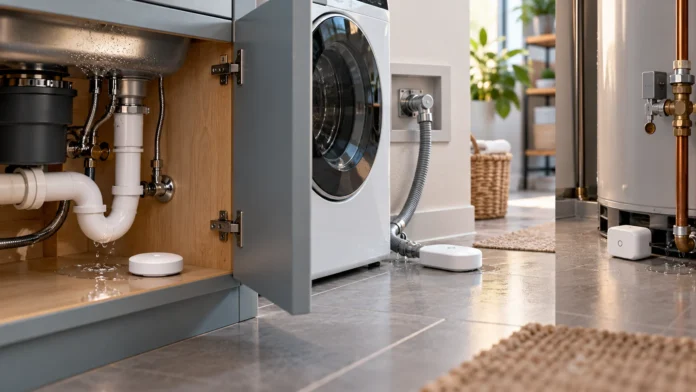
Water leaks can cause serious problems in homes and commercial buildings when they remain unnoticed for extended periods. A small leak beneath a sink, behind an appliance, or near a water heater can gradually damage flooring, walls, and furniture. A water leak detector helps identify unwanted moisture early, allowing property owners to address problems before they develop into expensive repairs.
Modern water leak detection devices are designed to monitor areas where plumbing failures or accidental water escapes commonly occur. Some detectors produce an audible alarm when water touches their sensors, while advanced models send smartphone notifications or automatically shut off the water supply. These features make leak detection systems useful for homeowners, renters, property managers, and businesses.
Choosing the right water leak detector depends on several factors, including the size of your property, plumbing layout, available connectivity, and potential water damage risks. Understanding how different detectors work makes it easier to select an appropriate solution. This guide explains the main types of water leak detectors, their benefits, installation locations, and practical uses for protecting your property.
What Is a Water Leak Detector?
A water leak detector is a device designed to identify unwanted water or moisture in areas where leaks may occur. It typically uses electronic sensors to detect the presence of water and activate an alert. These devices are commonly installed near plumbing fixtures, household appliances, water heaters, and other locations where undetected leaks could cause property damage.
Basic water leak detectors usually feature small metal contacts that respond when water creates an electrical connection between them. Once moisture reaches the sensing area, the device activates an alarm to notify nearby occupants. More advanced leak detection systems can use moisture sensors, flow monitoring technology, pressure measurements, or connected monitoring networks to identify possible plumbing problems.
Water leak detectors are available in different sizes and configurations to suit residential and commercial environments. Some are compact, battery-powered devices that can be placed directly on the floor without complicated installation. Others connect to plumbing systems or smart home platforms, offering more comprehensive monitoring and automatic responses when unusual water activity is detected.
How Does a Water Leak Detector Work?
The working principle of a water leak detector depends on its sensing technology and intended application. Most basic detectors use conductive sensors that react when water bridges two electrical contacts. This change in conductivity activates an internal circuit, triggering a warning sound or sending a signal to a connected monitoring device.
Smart water leak detectors often combine moisture sensing with wireless communication to provide remote notifications. When the sensor detects water, it communicates with a smartphone application through Wi-Fi, Bluetooth, Zigbee, or another supported connection. Depending on the model, users may receive instant alerts, review device status, and monitor multiple leak detection points from one application.
Whole-home water leak detection systems work differently because they often monitor water flow through the main plumbing supply. These systems analyze water usage patterns and may identify unusual continuous flow that suggests a hidden leak. Some models can automatically close a connected shutoff valve, helping limit further water damage when a significant plumbing problem is detected.
Main Types of Water Leak Detectors
Water leak detectors are available in several categories, each designed to address different plumbing risks and monitoring requirements. The most common options include standalone alarm sensors, smart water leak detectors, cable-style sensors, and whole-home monitoring systems. Understanding these differences helps you determine which detector provides suitable protection for specific locations within your property.
Standalone water leak alarms are generally simple devices that activate when water touches their sensing contacts. Smart detectors add connected features, including mobile notifications and integration with compatible home automation systems. Cable-style detectors extend the sensing area along floors or around equipment, making them useful for monitoring larger spaces where leaks might appear in several locations.
Whole-home leak detection systems typically provide broader protection by monitoring water movement through the plumbing supply. Some systems identify abnormal flow, while others combine several sensors with automated shutoff equipment. Each type offers different advantages, so the best solution depends on whether you need basic local alerts, remote monitoring, or more comprehensive water management.
Standalone Water Leak Detectors and Their Uses
Standalone water leak detectors are among the simplest and most affordable ways to identify accidental leaks. These compact devices usually operate on replaceable batteries and produce a loud alarm when their contacts detect moisture. Their straightforward design makes them especially suitable for people who want basic leak protection without connecting devices to the internet.
A standalone detector can be placed beneath a kitchen sink, behind a washing machine, or near a water heater. These areas are common locations for plumbing connections, hoses, and seals that may develop leaks over time. When water reaches the device, its alarm provides an immediate warning to anyone within hearing distance.
The main limitation of standalone detectors is that someone must usually be nearby to hear the alarm. If a leak develops while the property is unoccupied, the warning may go unnoticed until someone returns. Nevertheless, these devices remain a practical option for apartments, small homes, rental properties, and locations where wireless connectivity is unavailable or unnecessary.
Smart Water Leak Detectors for Modern Homes
A smart water leak detector combines traditional moisture sensing with connected technology that allows users to monitor water-related problems remotely. Many models communicate through a wireless network and send alerts directly to a smartphone when moisture is detected. This functionality is particularly useful for homeowners who travel frequently or spend long periods away from their properties.
Some smart detectors also monitor environmental conditions such as temperature and humidity. Temperature monitoring may help identify conditions associated with frozen pipes, while humidity readings can provide useful information about damp indoor environments. However, these additional measurements do not necessarily confirm the presence of a plumbing leak and should be considered alongside other observations.
Smart leak detectors may also integrate with compatible home automation platforms, allowing users to create routines or connect multiple sensors. Certain systems can communicate with automatic water shutoff valves to limit water flow after detecting a leak. Before purchasing, check network requirements, battery life, application compatibility, and whether essential alerts depend on an active internet connection.
Whole-Home Water Leak Detection Systems
Whole-home water leak detection systems are designed to monitor water activity across a property’s plumbing network rather than relying exclusively on individual floor sensors. Many systems are installed near the main water supply line and analyze water flow patterns. This approach can help identify continuous water usage, unexpected flow, or other unusual conditions associated with potential leaks.
Some whole-home detectors use flow meters, pressure sensors, or specialized monitoring algorithms to identify abnormal water activity. When the system recognizes a possible problem, it may notify the homeowner through a connected application. Advanced models can also operate an automatic shutoff valve, reducing the amount of water that escapes if a significant leak occurs.
Whole-home systems are particularly useful for larger properties, vacation homes, and buildings with multiple plumbing fixtures. However, they may require professional installation, ongoing maintenance, and compatible plumbing components. They also have limitations because certain slow leaks, drainage problems, or water entering from outside may not be detected through supply-line monitoring alone.
Water Leak Detection Cables and Rope Sensors
Water leak detection cables, sometimes called rope sensors, provide an extended sensing area compared with standard point-based detectors. Instead of monitoring only a small contact surface, these systems use a special cable that detects moisture along its supported length. This design is useful when water could collect or travel across a larger area before reaching a conventional sensor.
Cable-style detectors are commonly used around industrial equipment, server rooms, mechanical systems, and large plumbing installations. They can also provide practical protection beneath long kitchen cabinets or around equipment installed in hard-to-reach locations. By covering a wider area, these sensors increase the chances of detecting water before it spreads significantly.
Some advanced cable detection systems can estimate where moisture has contacted the sensing cable, helping maintenance teams locate the affected section. Other models simply activate an alarm when moisture is detected anywhere along the monitored length. Selection depends on the monitoring area, cable durability, installation requirements, and the level of information needed during a leak emergency.
Best Places to Install a Water Leak Detector
Choosing the right installation location is essential for getting reliable results from a water leak detector. Areas with water supply connections, drainage pipes, and household appliances usually present the greatest risk of accidental leaks. Placing sensors close to these potential sources increases the likelihood that escaping water will reach the detector before causing extensive damage.
Kitchens and bathrooms are common installation areas because sinks, toilets, dishwashers, and plumbing fittings may develop leaks. Laundry rooms and utility spaces also deserve attention, particularly around washing machines, water heaters, and water filtration equipment. In each location, the detector should sit where leaking water is likely to collect rather than where normal splashes or cleaning could trigger unnecessary alarms.
Basements, crawl spaces, and mechanical rooms may benefit from additional leak monitoring, especially when plumbing equipment is located away from frequently occupied spaces. Properties with sump pumps or condensate drainage systems may also require specialized water-level or overflow sensors. Consider floor slope, drainage patterns, accessibility, and manufacturer instructions when deciding exactly where each sensor should be installed.
Using Water Leak Detectors in Kitchens and Bathrooms
Kitchens contain several potential sources of water leakage, including sink connections, dishwashers, refrigerators with water dispensers, and filtration systems. Small leaks beneath cabinets may remain hidden because the affected area is not regularly inspected. A compact water leak detector placed near these connections can provide an early warning when unexpected moisture begins accumulating.
Bathrooms present similar risks because toilets, sinks, supply hoses, and plumbing fittings are exposed to frequent water usage. Installing a detector behind a toilet or inside a vanity cabinet may help identify leaks that would otherwise remain unnoticed. However, detectors should be positioned away from routine splashing so normal bathroom activities do not cause repeated false alarms.
When installing sensors in kitchens and bathrooms, ensure they remain accessible for testing and battery replacement. Avoid placing objects directly over the device or blocking the sensing contacts. Regularly inspecting nearby plumbing connections is also important because a detector provides an additional layer of protection rather than replacing routine maintenance and timely repairs.
Water Leak Detectors for Washing Machines and Water Heaters
Washing machines are common locations for water-related problems because they rely on supply hoses, drainage connections, and internal seals. A loose fitting or damaged hose can allow water to escape onto nearby flooring. Installing a leak detector beneath or beside the appliance may provide an early warning when unexpected water begins collecting during or after operation.
Water heaters also deserve attention because leaks may develop around valves, connections, tanks, or associated plumbing. A sensor placed near the heater’s base can help identify moisture that might otherwise go unnoticed. Depending on the installation, a leak detection system may be combined with a compatible automatic shutoff device to reduce additional water loss.
For both appliances, sensor placement should follow manufacturer recommendations and account for normal drainage arrangements. Water heater drain pans and washing machine trays can help contain certain leaks, while appropriately positioned sensors provide warnings when water accumulates. Inspecting hoses, valves, and surrounding surfaces regularly remains important for preventing damage and maintaining dependable appliance performance.
Benefits of Installing a Water Leak Detector
One of the biggest benefits of a water leak detector is its ability to provide an early warning before a small leak becomes a serious problem. Undetected water can damage wooden flooring, drywall, insulation, furniture, and electrical equipment. Identifying moisture quickly allows property owners to investigate the source and arrange repairs before water spreads into additional areas.
Water leak detectors may also help reduce unnecessary water waste by drawing attention to plumbing problems. A continuously leaking fixture or damaged supply connection can use a considerable amount of water over time. While basic moisture alarms cannot measure total water consumption, flow-based monitoring systems may reveal abnormal usage patterns that suggest an ongoing leak.
Another advantage is the peace of mind that comes from knowing vulnerable areas are being monitored. Smart detectors are especially useful for properties that remain empty during working hours, holidays, or seasonal travel. Although no monitoring system can guarantee complete protection, well-placed detectors can support faster responses and potentially reduce the financial impact of water damage.
Important Features to Look for in a Water Leak Detector
When choosing a water leak detector, start by examining its sensing accuracy, alarm volume, and intended installation environment. A reliable device should detect water consistently and provide a clear warning when moisture reaches its sensing area. Consider whether the sensor is designed for occasional floor moisture, extended cable monitoring, or more advanced plumbing system analysis.
Battery life and power requirements are also important because detectors must remain operational when a leak occurs. Some models use replaceable batteries, while others rely on wired power or rechargeable systems. Features such as low-battery notifications, device self-testing, and connection status alerts can make routine maintenance easier and help prevent monitoring interruptions.
For smart systems, review wireless connectivity, notification methods, application features, and compatibility with existing equipment. Automatic shutoff functionality can be valuable, but it may require additional hardware or professional installation. Also consider whether remote notifications continue working during internet outages, whether a subscription is required, and how easily replacement sensors can be added later.
How to Install a Water Leak Detector Correctly
Installing a basic water leak detector is usually straightforward because many models are designed for immediate placement without special tools. Begin by reading the manufacturer’s instructions and identifying the recommended sensing position. Insert the batteries if required, activate the device, and confirm that the alarm operates correctly before placing it in the selected monitoring area.
Position the detector on a clean, stable surface where leaking water is most likely to collect. Avoid locations where the device could be accidentally moved, submerged beyond its design limits, or damaged by normal household activities. If installing a smart detector, complete the application setup and confirm that notifications reach your phone under the expected operating conditions.
Whole-home monitoring systems and automatic shutoff valves may require more complicated installation procedures. These devices often connect directly to the plumbing supply and should generally be installed by a qualified professional when necessary. After installation, follow the manufacturer’s testing recommendations to confirm that sensors, alarms, wireless connections, and shutoff components operate together as intended.
Common Water Leak Detector Problems and Solutions
One common problem with water leak detectors is the occurrence of false alarms when sensors encounter harmless moisture. Condensation, cleaning water, or accidental splashes can sometimes activate a detector even when no plumbing failure exists. If an alert occurs, inspect the surrounding area carefully before assuming the device has malfunctioned or dismissing the warning.
Connectivity problems may affect smart water leak detectors, particularly when devices are installed far from wireless routers or compatible hubs. Thick walls, metal appliances, and signal interference can reduce communication reliability. Moving a hub, improving network coverage, or checking device compatibility may help restore dependable operation without replacing the entire system.
Battery problems and sensor contamination can also reduce detection performance over time. Dust, mineral deposits, or corrosion may affect sensing contacts, while depleted batteries can prevent alarms from activating. Follow the manufacturer’s cleaning and maintenance instructions, test devices periodically, and replace damaged components to maintain reliable water leak monitoring throughout the year.
How to Maintain a Water Leak Detection System
Regular maintenance helps ensure that a water leak detector remains ready to respond when unexpected moisture appears. Start by inspecting each sensor for dust, physical damage, and signs of corrosion. Check that detectors remain in their intended positions because appliances, stored items, and routine cleaning activities can accidentally move small monitoring devices.
Battery-powered detectors should be checked according to the manufacturer’s recommended schedule. Replace batteries when low-power warnings appear, and test alarms using approved procedures rather than assuming the device is functioning correctly. For smart models, review application notifications, connectivity status, and available firmware updates that may improve reliability or correct technical issues.
Whole-home systems may require additional maintenance because they include flow sensors, valves, and other plumbing-related components. Professional inspections may be appropriate when a system controls the property’s main water supply. Keeping maintenance records and regularly checking sensor performance can help ensure that warning systems continue operating as expected over their service lives.
How to Choose the Best Water Leak Detector for Your Home
The best water leak detector for your home depends on the level of protection you need and the locations you want to monitor. For a small apartment or individual appliance, a standalone moisture alarm may provide sufficient basic coverage. Larger homes with multiple bathrooms, appliances, and plumbing systems may benefit from several connected sensors or a whole-home monitoring solution.
Consider how frequently the property is occupied when comparing different options. A simple audible alarm may be suitable for locations where someone is usually present, while remote notifications can be valuable for vacation properties or frequently unoccupied homes. Automatic water shutoff functionality may provide additional protection when rapid intervention is difficult or leaks could cause extensive damage.
Budget, installation requirements, and long-term maintenance should also influence your decision. Lower-cost detectors can provide useful local warnings, while advanced systems may involve additional hardware, professional installation, or ongoing service expenses. Focus on reliable sensing, practical notification features, and appropriate coverage rather than choosing a device solely because it offers the largest number of smart features.
Conclusion
A water leak detector is a practical device for identifying unexpected moisture and reducing the risk of water-related property damage. From simple battery-powered alarms to advanced whole-home monitoring systems, different options provide varying levels of protection. Understanding their features and limitations helps homeowners select equipment that matches their plumbing arrangements, property size, and monitoring needs.
Correct placement is just as important as choosing the right detector. Kitchens, bathrooms, laundry rooms, basements, and water heater areas are among the most useful locations for moisture monitoring. Regular testing, battery replacement, and occasional inspections help ensure that these devices continue providing dependable warnings when leaks occur.
Investing in suitable water leak detection equipment can support faster responses to plumbing problems and help protect valuable household belongings. However, detectors work best when combined with routine plumbing maintenance and prompt attention to warning signs. By selecting reliable devices and positioning them carefully, property owners can create a more effective approach to preventing unexpected water damage.
Frequently Asked Questions
What is the main purpose of a water leak detector?
A water leak detector identifies unwanted moisture or unusual water activity and provides an alert. Its main purpose is to help property owners discover leaks early and respond before significant water damage occurs.
Where should I place a water leak detector in my house?
Place water leak detectors near sinks, toilets, washing machines, dishwashers, water heaters, and other plumbing connections. Choose locations where escaping water is likely to collect and where sensors remain accessible for testing.
Do smart water leak detectors work without Wi-Fi?
Some smart water leak detectors can activate local alarms without Wi-Fi, but remote notifications may require an internet connection. Functionality varies by model, so check its offline capabilities before purchasing.
Can a water leak detector automatically turn off the water?
Some advanced water leak detection systems can automatically shut off the main water supply using a compatible valve. Basic moisture alarms typically provide warnings only and cannot stop water flow independently.
Are water leak detectors worth installing?
Water leak detectors can be worthwhile because they provide early warnings about moisture in vulnerable areas. Their usefulness depends on reliable operation, proper placement, regular maintenance, and responding promptly when an alert occurs.