
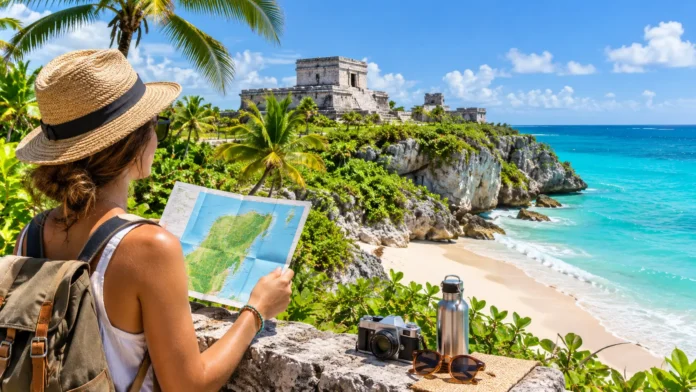
Tulum is a beautiful coastal destination in southeastern Mexico, known for its turquoise Caribbean waters, white-sand beaches, ancient Mayan ruins, and tropical scenery. Located on the Yucatán Peninsula, this popular destination attracts travelers looking for relaxation, cultural experiences, and outdoor adventures. Its combination of natural beauty and historical attractions makes it one of the most recognizable places along Mexico’s Caribbean coast.
If you’re wondering where is Tulum, it is located in the Mexican state of Quintana Roo, approximately 130 kilometers (81 miles) south of Cancún. Whether you’re planning your first Mexico vacation or exploring nearby destinations, understanding Tulum’s location can help you organize transportation, choose accommodations, and discover the best places to visit.
Where Is Tulum Located in Mexico?
Tulum is located along the eastern coastline of Mexico’s Yucatán Peninsula, facing the Caribbean Sea. It belongs to Quintana Roo, a southeastern Mexican state famous for its beaches, tropical landscapes, and vacation destinations. The town sits south of Playa del Carmen and Cancún, making it a popular stop along the Riviera Maya coastal region.
Geographically, Tulum is approximately 130 kilometers south of Cancún and about 65 kilometers south of Playa del Carmen. Its position along Federal Highway 307 connects it with several important destinations throughout the region. Travelers can reach Tulum by road from nearby cities, airports, and tourist attractions without needing to travel through Mexico City.
Tulum’s location makes it especially attractive because visitors can explore beaches, freshwater swimming holes, and ancient archaeological sites within relatively short distances. The surrounding landscape includes tropical forests, limestone formations, and natural underground water systems. This combination creates opportunities for sightseeing, swimming, photography, and experiencing the cultural heritage of southeastern Mexico.
Where Is Tulum on the Map?
On a map of Mexico, Tulum appears on the eastern side of the Yucatán Peninsula near the Caribbean coastline. It is positioned below Cancún and Playa del Carmen, two major destinations in the same coastal region. Its approximate geographical coordinates are 20.21 degrees north latitude and 87.47 degrees west longitude.
Looking at a regional map helps explain why Tulum is convenient for exploring the Riviera Maya. The Caribbean Sea lies to the east, while tropical forests and inland attractions extend toward the west. Farther south, visitors can explore the Sian Ka’an Biosphere Reserve, an important protected area known for its diverse coastal and wetland ecosystems.
The main town, commonly called Tulum Pueblo, sits inland from the beachfront hotel areas. A separate coastal road leads toward popular beaches, restaurants, and accommodations near the sea. Understanding this layout is useful because staying in the town center offers a different experience from booking a hotel directly along the beachfront.
How Far Is Tulum From Cancún and Playa del Carmen?
Tulum is approximately 130 kilometers (81 miles) south of Cancún, depending on your starting point and destination. Traveling by car generally takes around two hours, although traffic, road conditions, and stops can affect the journey. Many international travelers arrive through Cancún before continuing south along the Riviera Maya toward Tulum.
Playa del Carmen is considerably closer, sitting approximately 65 kilometers (40 miles) north of Tulum. Driving between the two destinations usually takes around 50 minutes to an hour under normal conditions. This shorter distance makes Playa del Carmen a convenient option for day trips, shopping, dining, and exploring additional coastal attractions.
Other nearby destinations include Akumal, Cobá, and Puerto Aventuras, each offering different travel experiences. Akumal is known for its coastal scenery, while Cobá is associated with ancient Mayan archaeological remains surrounded by forest. These relatively accessible attractions make Tulum an appealing base for exploring several destinations without changing hotels frequently.
Which Airport Is Closest to Tulum?
Tulum International Airport, officially known as Felipe Carrillo Puerto International Airport, is the closest major commercial airport serving the destination. Located southwest of the town, it offers travelers a convenient arrival option when suitable flights are available. The journey from the airport to central Tulum generally takes around 40–60 minutes, depending on traffic and your accommodation.
Cancún International Airport is another popular gateway because it serves a wide range of domestic and international routes. Although it is farther away, travelers may find more flight choices and convenient connections through Cancún. Reaching Tulum from this airport commonly takes approximately two hours or longer, depending on traffic and your final destination.
Before booking flights, compare airport locations, transportation arrangements, and total journey times rather than focusing only on airfare. Travelers can arrange authorized airport transportation, use available bus services, or rent a vehicle when appropriate. Checking transportation availability in advance is especially helpful for late arrivals or hotels located far from the main town.
How to Get to Tulum From Nearby Destinations
One of the easiest ways to reach Tulum is by traveling along Federal Highway 307, which connects major destinations throughout the Riviera Maya. This road passes through areas near Cancún, Playa del Carmen, and Akumal before reaching Tulum. Visitors using rental cars should follow local traffic regulations and allow additional time during busy travel periods.
Intercity buses provide another transportation option for travelers who prefer not to drive. Companies operating regional routes connect Tulum with important transportation hubs, although schedules and departure locations can change. Visitors should confirm whether their chosen service stops in central Tulum, at the airport, or near another designated transportation terminal.
Private transfers and authorized taxis can offer convenient door-to-door transportation, particularly for travelers carrying luggage. Transportation costs depend on the distance, passenger count, and type of service selected. Before beginning a journey, confirm the fare, pickup location, and destination to avoid confusion when arriving at an unfamiliar transportation hub.
What Makes Tulum Different From Other Mexican Destinations?
Tulum combines Caribbean beaches with archaeological landmarks that reveal the region’s ancient Mayan history. Unlike destinations focused primarily on modern resort developments, Tulum offers opportunities to explore historical structures overlooking the sea. The famous Tulum ruins create a distinctive landscape where centuries-old stone buildings stand above the turquoise Caribbean coastline.
The surrounding environment also contributes to Tulum’s popularity among nature enthusiasts. Visitors can discover freshwater cenotes, tropical vegetation, coastal ecosystems, and protected natural areas within the surrounding region. These attractions provide alternatives to traditional beach activities and make the destination suitable for travelers interested in both natural scenery and cultural exploration.
Tulum also features a mixture of small accommodations, boutique hotels, restaurants, and larger tourism developments. The atmosphere varies considerably between the busy town center and the beachfront hotel zone. While some areas feel relaxed and residential, others offer a more developed vacation experience with beachfront dining, shopping, and organized activities.
Best Places to Visit in Tulum
The Tulum Archaeological Zone is one of the destination’s most famous attractions, featuring ancient Mayan structures overlooking the Caribbean Sea. Visitors can explore surviving stone buildings, learn about the site’s historical importance, and enjoy scenic coastal viewpoints. Arriving earlier in the day may provide more comfortable sightseeing conditions, especially during warmer months.
Tulum’s beaches are another major attraction, with stretches of pale sand and beautiful blue water along the Caribbean coastline. Playa Paraíso is particularly well known for its tropical scenery and relaxing surroundings. Beach conditions can vary with weather, waves, and seasonal seaweed, so checking local information before visiting is always worthwhile.
Freshwater cenotes offer a different experience away from the ocean, with natural pools formed within the peninsula’s limestone landscape. Popular examples near Tulum include Gran Cenote and Cenote Calavera, although access rules and visitor arrangements can change. Follow posted safety guidance, use approved swimming areas, and respect environmental restrictions when exploring these delicate natural attractions.
Where to Stay in Tulum: Town or Beach?
Choosing the right accommodation depends on your budget, transportation preferences, and the experiences you want during your vacation. Tulum Pueblo generally offers a broader range of restaurants, shops, guesthouses, and relatively affordable accommodations. Staying in town can be convenient for travelers planning frequent excursions or those who prefer access to everyday local services.
The beachfront hotel zone offers a different setting, with accommodations located closer to the Caribbean coastline. Some properties feature direct beach access, attractive tropical surroundings, and on-site dining facilities. However, beachfront accommodations can cost considerably more, and reaching certain inland attractions may require additional transportation arrangements.
Other developing areas, including La Veleta and Aldea Zama, provide alternative accommodation choices between the busiest tourist locations. These neighborhoods contain a mixture of vacation rentals, residential properties, and hospitality developments. Before making a reservation, check the property’s exact location, nearby road conditions, and realistic travel distances to the places you plan to visit.
Best Time to Visit Tulum, Mexico
Tulum has a tropical climate with warm temperatures throughout much of the year, making it a popular destination during different seasons. December through April generally brings relatively drier conditions and comfortable opportunities for outdoor sightseeing. This period also attracts many visitors, meaning accommodations and transportation may be more expensive during popular holiday weeks.
The wetter season generally extends from May through October, bringing increased humidity and a greater possibility of rainfall. Showers may be brief, but heavier storms can occasionally affect outdoor plans and transportation. The Atlantic hurricane season officially runs from June through November, so travelers visiting during this period should monitor reliable weather forecasts.
Seaweed conditions are another consideration when planning a Caribbean beach vacation. Seasonal accumulations of sargassum can affect sections of Tulum’s coastline, although severity varies between locations and dates. Travelers who prioritize swimming and beach activities should review recent beach conditions and maintain flexible plans for alternative activities such as visiting archaeological sites.
How to Get Around Tulum During Your Trip
Getting around Tulum depends largely on where you stay and which attractions you want to visit. Central Tulum has areas where restaurants, shops, and local services are accessible on foot. However, distances between the town center, beachfront hotel zone, and surrounding attractions mean that walking is not always practical for every journey.
Bicycles are popular for shorter journeys, particularly where suitable roads and designated cycling areas are available. They can be convenient for exploring nearby neighborhoods, but travelers should remain attentive to traffic, road surfaces, and changing weather conditions. Avoid cycling on unfamiliar roads after dark and use appropriate safety equipment when choosing this transportation option.
Taxis, private drivers, and rental vehicles provide alternatives for longer journeys or visits to attractions outside the town. A rental car may be useful for exploring multiple inland destinations, while taxis can simplify shorter trips. Confirm transportation prices beforehand, allow extra time during busy periods, and avoid assuming that every destination has reliable public transportation.
Essential Travel Tips for Visiting Tulum
Packing appropriately can make your Tulum vacation more comfortable, especially when exploring outdoor attractions in warm and humid conditions. Lightweight clothing, comfortable walking shoes, sun protection, and a refillable water bottle are practical essentials. If you plan to visit cenotes or protected areas, follow local environmental rules regarding sunscreen, swimming equipment, and permitted activities.
The Mexican peso is the local currency, although some tourism businesses may also accept other payment methods. Carrying a reasonable amount of local currency can be useful for smaller purchases, transportation, and places where electronic payments are unavailable. Check prices before ordering services, and use secure payment methods when making larger purchases or accommodation reservations.
Travelers should also respect local communities, archaeological heritage, and environmentally sensitive locations throughout the region. Avoid touching protected ruins, follow designated trails, and dispose of waste properly when visiting beaches or cenotes. Keeping copies of important travel information and checking official entry requirements before departure can also help prevent unnecessary complications during your trip.
Is Tulum Worth Visiting for a Vacation?
Tulum can be an excellent destination for travelers interested in Caribbean beaches, historical landmarks, and outdoor exploration. Its relatively compact tourism region allows visitors to experience several types of attractions during one vacation. Whether you enjoy relaxing near the water or learning about ancient civilizations, Tulum provides a combination of experiences that distinguishes it from many conventional beach destinations.
However, the destination may not suit every travel style or budget, especially in expensive beachfront areas. Transportation between attractions, seasonal weather, and tourism-related costs should all be considered before making plans. Travelers who research accommodation locations and prioritize their preferred activities are more likely to enjoy a smooth and manageable visit.
For many visitors, spending three to five days provides enough time to explore major attractions without feeling rushed. A longer stay may be worthwhile if you plan to visit nearby archaeological sites, natural reserves, or additional Riviera Maya destinations. The best itinerary depends on your available time, interests, travel budget, and preferred pace.
Conclusion
Tulum is located on the Caribbean coast of Mexico’s Yucatán Peninsula in the state of Quintana Roo. Positioned south of Cancún and Playa del Carmen, it offers access to beautiful beaches, ancient Mayan ruins, and remarkable natural attractions. Understanding its location makes planning transportation, accommodations, and sightseeing activities considerably easier.
Visitors can reach Tulum through Tulum International Airport or Cancún International Airport before continuing to their accommodations. The town center, beachfront hotel zone, and surrounding neighborhoods each offer different experiences and travel considerations. Choosing the right area to stay can make a meaningful difference in convenience, transportation costs, and overall vacation enjoyment.
Whether you’re planning a relaxing beach holiday or an adventure exploring the Riviera Maya, Tulum offers plenty to discover. Researching seasonal weather, local transportation, and attraction access before traveling can help you prepare confidently. With thoughtful planning, this coastal destination can provide a memorable combination of Mexican culture, natural scenery, and historical experiences.
Frequently Asked Questions (FAQs)
Where is Tulum located in Mexico?
Tulum is located in the state of Quintana Roo on the eastern coast of Mexico’s Yucatán Peninsula. It faces the Caribbean Sea and sits approximately 130 kilometers south of Cancún.
Is Tulum closer to Cancún or Playa del Carmen?
Tulum is closer to Playa del Carmen, approximately 65 kilometers away. Cancún is farther north, around 130 kilometers from Tulum, making Playa del Carmen more convenient for shorter regional trips.
What is the closest airport to Tulum?
Tulum International Airport, also called Felipe Carrillo Puerto International Airport, is the closest major commercial airport. Cancún International Airport is another option, especially for travelers seeking additional international flight connections.
How many days do you need in Tulum?
Three to five days can be enough to explore Tulum’s major attractions, including beaches, ruins, and nearby cenotes. A longer visit allows more time for exploring the surrounding Riviera Maya region.
Is Tulum safe for tourists?
Many tourists visit Tulum successfully, but safety conditions can vary by area and over time. Follow current travel advisories, use authorized transportation, secure valuables, and avoid isolated areas after dark.