
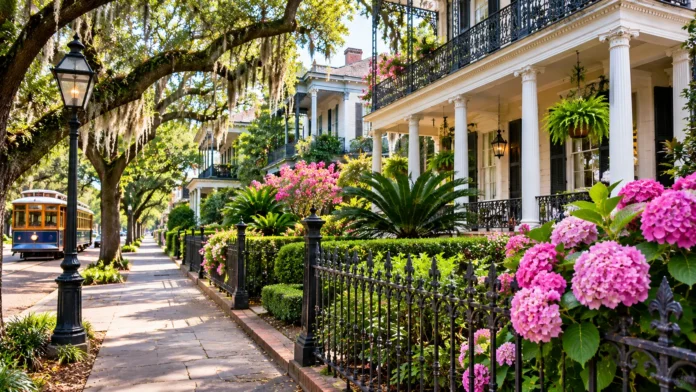
Garden District New Orleans: A Beautiful Historic Neighborhood
The Garden District New Orleans is one of the city’s most beautiful neighborhoods, known for historic mansions, oak-lined streets, and impressive Southern architecture. Located in Uptown New Orleans, the area offers a peaceful atmosphere away from the busy French Quarter. Visitors can explore elegant homes, discover local shops, and admire carefully maintained gardens. Its charming surroundings make it a memorable destination for travelers interested in history and culture.
The neighborhood developed during the nineteenth century and became home to wealthy merchants and prominent families. Many historic buildings feature Greek Revival and Italianate architectural styles, with decorative ironwork and spacious porches. Large oak trees provide shade along residential streets. Walking through the area reveals an important part of New Orleans’ architectural heritage and changing social history.
Today, the Garden District combines historic preservation with modern neighborhood life. Visitors can enjoy restaurants, independent shops, and scenic walking routes while exploring the area. Most attractions are close enough to discover on foot. Whether you have a few hours or an entire day, the Garden District provides a rewarding experience beyond traditional New Orleans sightseeing.
Where Is the Garden District in New Orleans?
The Garden District is located in Uptown New Orleans, southwest of the French Quarter. Its traditional boundaries include St. Charles Avenue, Jackson Avenue, Magazine Street, and Louisiana Avenue. The neighborhood is primarily residential, with commercial attractions along nearby streets. Its location makes it accessible to visitors staying in downtown hotels or other central neighborhoods.
The surrounding area includes the Lower Garden District, Irish Channel, and other historic communities. Each neighborhood has its own atmosphere and architectural character. Visitors sometimes confuse these areas because they share similar streetscapes and historical features. Understanding the boundaries helps travelers plan a walking route without overlooking attractions located just outside the district.
One of the easiest ways to reach the area is by taking the St. Charles Avenue streetcar. The line connects downtown New Orleans with several Uptown neighborhoods. Visitors can exit near Washington Avenue, Jackson Avenue, or Louisiana Avenue, depending on their plans. From there, many popular Garden District attractions can be explored through a comfortable neighborhood walk.
Discover the History of the Garden District
The Garden District began developing during the 1830s as New Orleans expanded beyond its earlier neighborhoods. Wealthy American businessmen established large homes on spacious residential lots. The area was originally associated with the separate City of Lafayette before becoming part of New Orleans. Its broad streets and landscaped properties contributed to its distinctive neighborhood identity.
Many original homes reflected the wealth generated through regional trade, finance, and plantation agriculture. That prosperity was also connected to the history of slavery in Louisiana. Understanding this background provides important context for the impressive buildings visitors see today. Historic preservation allows people to appreciate architectural craftsmanship while also acknowledging the complicated social history surrounding these properties.
Over time, the neighborhood developed into one of New Orleans’ best-known historic districts. Preservation efforts helped protect many buildings from demolition or inappropriate alterations. Today, residents continue living in homes that represent different periods of architectural development. Exploring the neighborhood reveals how history, community identity, and modern city life exist together within a relatively compact area.
Admire the Historic Garden District Mansions
Historic mansions are among the most impressive attractions in the Garden District. Many feature tall columns, decorative balconies, colorful shutters, and wrought-iron fences. Their architectural designs reflect different nineteenth-century styles and influences. Walking along residential streets provides an opportunity to appreciate craftsmanship that has remained visible for generations.
Buckner Mansion on Jackson Avenue is one of the area’s recognizable buildings. Its grand exterior has also appeared in television productions, including American Horror Story. Other notable properties include the Women’s Opera Guild House on Prytania Street. These buildings provide interesting examples of the neighborhood’s architectural variety and cultural associations.
Most Garden District mansions are private residences rather than public museums. Visitors should admire them from sidewalks and avoid entering yards or private property without permission. Guided walking tours can provide historical explanations without disturbing residents. Respectful sightseeing helps preserve the residential atmosphere that makes the neighborhood attractive to both locals and travelers.
Visit Lafayette Cemetery No. 1
Lafayette Cemetery No. 1 is an important historical landmark located on Washington Avenue in the Garden District. Established in 1833, it contains above-ground tombs that reflect New Orleans’ distinctive burial traditions. The cemetery provides information about generations of residents and community organizations. Its architecture and inscriptions reveal meaningful details about local history.
The cemetery was closed to regular public visitation for several years because of preservation and safety concerns. Guided public tours returned in October 2026 through a partnership involving the Preservation Resource Center. General independent entry remains restricted. Visitors should arrange an authorized tour rather than assuming they can walk through the cemetery freely.
A guided visit can provide valuable context about burial traditions, historic tombs, and preservation efforts. Visitors should treat the cemetery as an active place of remembrance rather than simply a photography location. Respectful behavior helps protect the site and its historical significance. Check official tour availability, admission requirements, and operating arrangements before planning a visit.
Ride the Historic St. Charles Avenue Streetcar
Riding the St. Charles Avenue streetcar is one of the most memorable ways to experience New Orleans. Its recognizable green cars travel along historic streets surrounded by large oak trees and impressive residential buildings. The route connects downtown with Uptown destinations. Visitors can enjoy views of local architecture while traveling between different parts of the city.
The streetcar provides convenient access to the Garden District without requiring a rental car. Travelers staying near downtown can board the Uptown-bound service and exit at a suitable neighborhood stop. The journey itself becomes part of the sightseeing experience. Looking through the windows reveals streetscapes that are easy to miss when traveling by automobile.
Public transportation fares are generally affordable, with single rides and day passes available through the Regional Transit Authority. Service frequency and accessibility vary, so current information should be checked before traveling. Some historic green streetcars have limited accessibility features. Planning around the correct stop helps visitors enjoy the experience without unnecessary walking or confusion.
Explore Magazine Street for Shopping and Local Culture
Magazine Street is one of the Garden District’s most enjoyable commercial areas. The street stretches through several New Orleans neighborhoods and features independent shops, boutiques, restaurants, and galleries. Visitors can browse antiques, clothing, artwork, and locally made products. Its lively atmosphere offers a different experience from the quiet residential streets nearby.
The Garden District section of Magazine Street is particularly convenient for combining sightseeing with shopping. Travelers can explore historic homes before stopping for lunch or visiting neighborhood businesses. Many storefronts have distinctive architectural details. Walking along the street provides opportunities to discover independent establishments rather than relying entirely on major commercial chains.
Magazine Street also works well for travelers who prefer flexible itineraries. You can spend an afternoon browsing shops, stopping at a café, or exploring nearby residential blocks. Opening times vary between businesses, especially during holidays and special events. Allowing extra time makes it easier to enjoy unexpected discoveries along this popular New Orleans destination.
Visit the Garden District Book Shop and The Rink
The Garden District Book Shop is a well-known independent bookstore located inside The Rink on Prytania Street. It offers fiction, nonfiction, local history, and other reading materials. Visitors interested in New Orleans culture can discover books about the city’s neighborhoods and traditions. The welcoming atmosphere makes it an enjoyable stop during a walking tour.
The Rink is a historic commercial building that has served the neighborhood for many years. Today, it contains shops and gathering spaces that complement the surrounding residential district. Its location is convenient for visitors exploring Washington Avenue and Prytania Street. The building also provides an opportunity to appreciate how older structures remain useful in modern community life.
Book lovers may enjoy browsing works by Louisiana writers or learning about authors connected with New Orleans. The shop also hosts occasional literary events and author appearances. Event schedules change throughout the year. Combining a bookstore visit with nearby architecture and dining creates a relaxed cultural experience without requiring a tightly organized itinerary.
Enjoy Classic New Orleans Food in the Garden District
Food is an important part of the New Orleans travel experience, and the Garden District provides several dining options. Visitors can find casual cafés, bakeries, neighborhood restaurants, and more formal establishments. Local menus often reflect Louisiana’s diverse culinary traditions. A meal can provide a comfortable break between walking tours and architectural sightseeing.
Commander’s Palace is one of the neighborhood’s best-known restaurants, located across from Lafayette Cemetery No. 1. The establishment is associated with New Orleans dining traditions and refined Louisiana cuisine. It is particularly popular with travelers seeking a special restaurant experience. Reservations and appropriate clothing may be required, depending on the dining arrangements.
Visitors looking for a casual meal can explore cafés and smaller restaurants around Magazine Street. Breakfast, lunch, and afternoon refreshments fit naturally into a walking itinerary. Menus and opening hours can change, so checking current details is useful. Exploring local food traditions adds another dimension to a visit beyond historic buildings and photography.
Take a Self-Guided Garden District Walking Tour
A self-guided walking tour is one of the best ways to discover the Garden District at your own pace. The neighborhood’s historic streets make it suitable for exploring on foot. Visitors can admire architecture, photograph public streetscapes, and stop at nearby businesses. A walking route also allows more flexibility than a scheduled group activity.
One possible route begins near the St. Charles Avenue streetcar and continues toward Washington Avenue. From there, visitors can view Lafayette Cemetery No. 1 from outside, admire nearby historic homes, and walk toward Prytania Street. The route can include The Rink and Garden District Book Shop. Additional streets provide opportunities to discover architectural details.
A relaxed walk through the main historic area may take two to three hours, depending on the number of stops. Longer visits can include shopping and dining. Wear comfortable shoes because some sidewalks are uneven. Morning or late afternoon exploration may be more comfortable during warmer months, especially when shade and rest breaks are available.
Discover the Garden District’s Hidden Gems
Beyond its famous mansions, the Garden District contains smaller architectural details that many visitors overlook. Decorative iron gates, unusual window designs, garden walls, and historic fences contribute to its distinctive appearance. These features can be appreciated during a casual neighborhood walk. Taking time to notice them often reveals more than rushing between famous buildings.
The Women’s Opera Guild House is an interesting historical property associated with local cultural activities. Its architectural details include elegant columns, ornamental features, and a carefully designed exterior. Interior access is limited and depends on special arrangements. Visitors can appreciate its appearance from public areas while respecting the building’s current use.
Quiet sections of First Street, Third Street, and Prytania Street also offer memorable architecture. These streets provide opportunities to appreciate the neighborhood’s character without focusing exclusively on recognizable landmarks. Many homes remain occupied, making respectful sightseeing essential. Small discoveries along residential streets can be among the most enjoyable experiences in the Garden District.
Best Time to Visit the Garden District New Orleans
Spring and fall are often appealing seasons for exploring the Garden District because temperatures are generally more comfortable for walking. Trees and gardens contribute to the neighborhood’s beauty throughout the year. Seasonal flowers can add color to residential streets. However, weather conditions vary, and visitors should check forecasts before planning outdoor activities.
Summer in New Orleans can be hot and humid, making long walks more demanding. Travelers should bring drinking water, wear comfortable clothing, and plan breaks in shaded or indoor spaces. Afternoon thunderstorms are also possible. Starting early can help avoid some of the day’s strongest heat while providing quieter streets for photography.
Winter generally brings milder conditions than many northern destinations, although cool or rainy days can occur. Major celebrations and festivals may affect transportation, accommodation prices, and visitor numbers. The best travel period depends on individual preferences and planned activities. A flexible schedule helps visitors adjust sightseeing plans when weather or local events change.
Garden District vs French Quarter: Which Is Better?
The Garden District and French Quarter offer different experiences, making both worthwhile destinations for many travelers. The French Quarter is famous for historic streets, cultural attractions, music, and lively public spaces. The Garden District focuses more on residential architecture, landscaped properties, and peaceful walks. Their differences provide useful variety during a New Orleans trip.
Travelers interested in historic mansions and quieter surroundings may particularly enjoy the Garden District. Those seeking major cultural landmarks and dense concentrations of attractions may spend more time in the French Quarter. Neither neighborhood is objectively better for everyone. The most suitable choice depends on personal interests, available time, and preferred travel pace.
Visitors with enough time can comfortably explore both areas during the same trip. The St. Charles Avenue streetcar provides a convenient connection from the downtown area near the French Quarter to Uptown. Organizing activities by neighborhood reduces unnecessary travel. Exploring both locations offers a broader understanding of New Orleans’ diverse history and cultural identity.
Practical Tips for Visiting the Garden District
A successful Garden District visit begins with choosing a realistic walking route. Most major attractions are spread across several residential blocks, making comfortable shoes important. Bringing water and checking the weather can improve the experience. Travelers should also identify convenient streetcar stops before arriving, particularly when visiting from downtown.
Respect for residents is especially important because the Garden District remains an active neighborhood. Avoid blocking driveways, entering private gardens, or photographing people through windows. Most historic mansions are not open for independent interior visits. Following these simple guidelines helps protect privacy while allowing travelers to appreciate the beautiful architecture.
Plan ahead for attractions that require reservations, particularly Lafayette Cemetery No. 1 tours and popular restaurants. Check current opening hours for shops and cultural sites. Travelers with mobility requirements should consider uneven sidewalks and the accessibility limitations of some historic transportation. A little preparation makes it easier to enjoy the neighborhood without unnecessary difficulties.
Conclusion
The Garden District New Orleans offers a memorable combination of historic architecture, beautiful streets, cultural attractions, and local businesses. Visitors can admire nineteenth-century mansions, explore Magazine Street, and ride the historic St. Charles Avenue streetcar. Lafayette Cemetery No. 1 provides another important connection with local history through authorized guided tours.
Walking is one of the best ways to experience the neighborhood because its charm extends beyond individual landmarks. Small architectural details, independent shops, and shaded residential streets create opportunities for unexpected discoveries. Combining these experiences with local food and cultural stops makes a rewarding itinerary. Visitors should remember that the area remains an active residential community.
Whether visiting New Orleans for the first time or returning to explore somewhere different, the Garden District deserves consideration. Its history and architecture provide a quieter contrast to the French Quarter. Planning around the weather, transportation, and attraction access helps create an enjoyable experience. A relaxed visit allows travelers to appreciate the neighborhood’s distinctive character.
Frequently Asked Questions
Is the Garden District in New Orleans worth visiting?
Yes, the Garden District is worth visiting for its historic mansions, oak-lined streets, architectural details, and local shops. It offers a quieter sightseeing experience than the French Quarter.
How long does it take to walk around the Garden District?
A self-guided walking tour of the main historic area typically takes around two to three hours. Additional time is useful for shopping, dining, or participating in guided activities.
Can you visit Lafayette Cemetery No. 1?
Yes, but public access is restricted to authorized guided tours. Guided visits resumed in 2026 after an extended closure. Check current booking requirements and availability before visiting.
How do you get to the Garden District from the French Quarter?
You can board the St. Charles Avenue streetcar near Canal and Carondelet Streets. Exit at a suitable Uptown stop, such as Washington Avenue, and explore the neighborhood on foot.
What is the Garden District famous for?
The Garden District is famous for nineteenth-century mansions, Greek Revival and Italianate architecture, historic gardens, the St. Charles streetcar, and its distinctive residential atmosphere.