
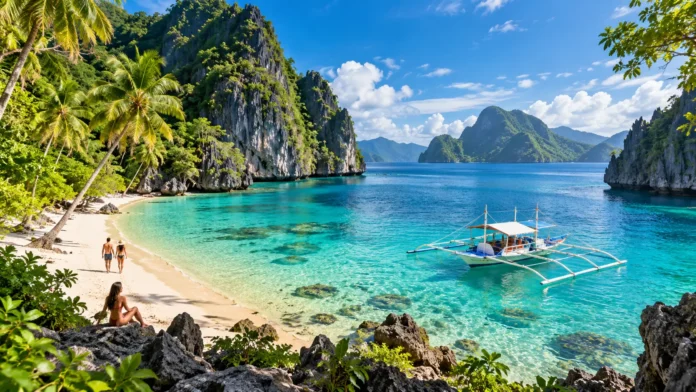
The Philippines is one of Southeast Asia’s most beautiful travel destinations, offering tropical islands, white-sand beaches, lush mountains, and vibrant cities. With more than 7,000 islands, the country provides endless opportunities for sightseeing, relaxation, and cultural discovery. Travelers can explore crystal-clear lagoons, historic landmarks, colorful coral reefs, and traditional villages. Every region offers something different for visitors seeking memorable experiences.
Whether you are planning a beach holiday, cultural getaway, or nature-focused adventure, the Philippines has attractions for every travel style. Popular destinations such as Palawan, Boracay, Cebu, and Bohol welcome visitors with breathtaking scenery and fascinating local traditions. This Philippines travel guide covers the best things to do, places to visit, and practical advice for planning an unforgettable trip.
Why Visit the Philippines?
The Philippines is famous for its natural beauty, welcoming communities, and diverse cultural heritage. Travelers can discover tropical beaches, impressive waterfalls, mountain landscapes, and historic cities within one country. Its islands offer experiences ranging from peaceful coastal escapes to exciting outdoor activities. This variety makes the Philippines attractive to families, couples, solo travelers, and nature enthusiasts.
Another reason to visit is the country’s distinctive cultural identity. Filipino traditions reflect indigenous heritage alongside Spanish, Asian, and American influences. Visitors can experience this mixture through local festivals, architecture, traditional music, and regional food. Exploring different provinces reveals how geography and history have shaped communities across the archipelago.
The Philippines also offers travel options for different budgets and interests. Visitors can choose simple guesthouses, comfortable hotels, or luxury beachfront resorts. Local transportation and dining options make many destinations accessible to budget-conscious travelers. Careful planning allows visitors to combine famous tourist attractions with lesser-known places that showcase authentic island life.
Explore the Beautiful Islands of Palawan
Palawan is one of the most popular destinations in the Philippines because of its spectacular coastal scenery. The province features limestone cliffs, turquoise lagoons, tropical forests, and beautiful white-sand beaches. Visitors often travel to Palawan for island-hopping excursions, snorkeling, and nature photography. Its dramatic landscapes make it a highlight of many Philippines travel itineraries.
El Nido is particularly famous for its surrounding islands and hidden lagoons. Boat excursions take travelers through Bacuit Bay, where towering rock formations rise above clear tropical waters. Popular experiences include kayaking, visiting secluded beaches, and exploring designated swimming areas. Each island offers a different perspective on the remarkable natural beauty of northern Palawan.
Puerto Princesa is another important destination in the province and a gateway to its southern attractions. Visitors can explore the famous Puerto Princesa Underground River through organized excursions. The surrounding national park contains limestone formations, forests, and diverse wildlife. Combining El Nido with Puerto Princesa provides an excellent introduction to Palawan’s natural attractions.
Relax on the White-Sand Beaches of Boracay
Boracay is internationally recognized for its beautiful beaches, especially the famous White Beach. This long stretch of soft sand features clear water, tropical scenery, and numerous beachfront establishments. Visitors can spend their days swimming, relaxing beneath palm trees, and enjoying coastal views. The island is particularly popular among travelers looking for a comfortable beach holiday.
White Beach is divided into several areas that offer different experiences. Some sections feature lively restaurants and shopping streets, while others provide quieter surroundings. Travelers can enjoy sunset walks along the shore or explore nearby beaches for a change of scenery. Choosing accommodation based on preferred activities can make the visit more enjoyable.
Beyond its famous shoreline, Boracay offers opportunities for snorkeling, sailing, and organized island excursions. Visitors can also discover local dining options and small shopping areas. Environmental rules help protect the island’s beaches and surrounding marine ecosystems. Following local regulations and supporting responsible tourism contributes to preserving Boracay’s natural beauty for future visitors.
Discover the Natural Wonders of Bohol
Bohol is an excellent destination for travelers who want to combine beaches, wildlife, and countryside attractions. The island is famous for its unusual Chocolate Hills, lush landscapes, and charming coastal communities. Visitors can explore natural landmarks while learning about local traditions and regional history. Its relatively varied attractions make Bohol suitable for several days of sightseeing.
The Chocolate Hills are among the Philippines’ most recognizable natural formations. Hundreds of rounded hills spread across the landscape, creating a remarkable view from designated observation areas. During drier periods, the vegetation can turn brown, giving the hills their famous name. Travelers often visit the viewpoint to take photographs and appreciate the surrounding countryside.
Bohol is also known for the Philippine tarsier, a small primate native to the region. Visitors can observe these sensitive animals at responsible conservation facilities that prioritize their welfare. Another popular experience is exploring the Loboc River and its green surroundings. Combining wildlife observation, scenic landscapes, and cultural attractions creates a rewarding Bohol travel experience.
Visit Cebu for History, Beaches, and Nature
Cebu is a major travel destination known for its combination of urban attractions, historic landmarks, and coastal scenery. Cebu City contains important cultural sites connected to the Philippines’ colonial history. Visitors can explore historic streets, traditional markets, and notable religious landmarks. The surrounding province also offers beautiful islands and opportunities for outdoor recreation.
Magellan’s Cross and Fort San Pedro are among Cebu City’s well-known historical attractions. These landmarks provide insight into the region’s past and the development of the Philippines during the Spanish colonial period. Travelers can also visit museums and heritage buildings to understand local history. Exploring the city adds cultural depth to a beach-focused holiday.
Outside the city, Cebu offers attractive coastlines, waterfalls, and marine destinations. Moalboal is well known for its snorkeling opportunities and remarkable sardine schools. Visitors should choose responsible operators and follow marine conservation guidelines when exploring underwater environments. Combining Cebu City’s cultural attractions with coastal excursions provides a balanced travel itinerary.
Explore the Lagoons and Lakes of Coron
Coron, located in northern Palawan, is celebrated for its beautiful lakes, dramatic cliffs, and excellent marine scenery. The area attracts travelers interested in island hopping, snorkeling, and tropical landscapes. Boat tours provide access to secluded beaches and striking natural formations. Coron’s combination of land and water attractions makes it a memorable Philippines destination.
Kayangan Lake is one of Coron’s most famous attractions because of its clear water and scenic limestone surroundings. Visitors typically reach the lake through an organized boat excursion followed by a walk along established paths. Twin Lagoon is another popular destination featuring dramatic rock formations and sheltered waters. Both places offer opportunities to appreciate the region’s distinctive scenery.
Coron is also recognized for historic shipwreck sites that attract experienced divers from around the world. Travelers who prefer surface activities can enjoy suitable guided snorkeling experiences and scenic boat trips. Following safety instructions and choosing qualified operators is important when visiting marine environments. Coron rewards visitors with some of the Philippines’ most impressive island landscapes.
Experience Surfing Culture and Island Life in Siargao
Siargao is a tropical island known for its relaxed atmosphere, coastal scenery, and strong surfing culture. The destination attracts visitors who enjoy beaches, palm-lined roads, and peaceful island communities. General Luna is a popular base with restaurants, accommodation, and access to nearby attractions. The island offers a refreshing contrast to larger Philippine cities.
Cloud 9 is one of Siargao’s best-known surfing locations and an important part of the island’s identity. Visitors can watch experienced surfers from designated viewing areas and enjoy the coastal surroundings. Travelers interested in learning water sports should select suitable beginner programs with qualified instructors and appropriate conditions. Siargao’s appealing beaches also provide opportunities for simple relaxation.
Island-hopping excursions are another popular way to explore Siargao’s surrounding waters. Nearby islands such as Guyam, Daku, and Naked Island are known for sandy shores and tropical scenery. Visitors can also explore mangrove landscapes and peaceful coastal communities. Respecting local environments helps preserve the natural attractions that make Siargao an increasingly popular destination.
Discover Manila’s Historic and Cultural Attractions
Manila, the capital of the Philippines, offers an energetic introduction to the country’s history and modern lifestyle. The city features historical landmarks, museums, shopping districts, and diverse dining experiences. While many travelers quickly continue toward beach destinations, Manila deserves time for exploration. Its cultural attractions reveal important chapters of Philippine history.
Intramuros is one of Manila’s most famous heritage districts and a popular destination for sightseeing. This historic walled area contains colonial-era buildings, churches, and preserved architectural landmarks. Visitors can explore Fort Santiago and learn about the city’s history through museums and guided tours. Walking through Intramuros provides an interesting contrast to Manila’s modern commercial neighborhoods.
Rizal Park is another important attraction associated with the country’s national history. The surrounding area offers museums, cultural institutions, and public spaces for visitors to explore. Travelers can also experience Manila’s varied food scene and busy shopping districts. Combining historical sightseeing with modern attractions makes the capital an engaging stop on a Philippines itinerary.
Explore the Banaue and Batad Rice Terraces
The rice terraces of the Cordillera mountains offer a completely different experience from the Philippines’ tropical beaches. Located in northern Luzon, these landscapes feature agricultural terraces shaped into steep mountain slopes. Local communities have maintained traditional farming knowledge across generations. The surrounding valleys and villages create some of the country’s most remarkable cultural landscapes.
Banaue is a popular gateway for exploring the region’s mountain scenery. Nearby Batad is particularly famous for its dramatic amphitheater-shaped rice terraces. Visitors can appreciate the landscape from established viewpoints and learn about Ifugao agricultural traditions. The area’s beauty changes throughout the farming cycle, making different seasons visually distinctive.
Traveling to the rice terraces requires more time than visiting destinations near major airports. Mountain roads and changing weather conditions can affect transportation schedules. Visitors should respect local communities, remain on designated routes, and consider knowledgeable local guides. Exploring the Cordillera highlands provides an opportunity to understand a remarkable part of Philippine cultural heritage.
Visit the Beautiful Historic City of Vigan
Vigan is a historic city in northern Luzon known for its preserved Spanish colonial-era architecture. Its old streets contain traditional houses, cultural landmarks, and distinctive heritage buildings. The city’s historic center is recognized for its architectural and cultural significance. Visitors interested in history will appreciate Vigan’s different atmosphere compared with modern urban destinations.
Calle Crisologo is among the city’s most recognizable streets. Its cobblestone surface and heritage buildings create a memorable setting for sightseeing and photography. Traditional shops and small businesses operate within the historic district, offering local products and souvenirs. Exploring the area on foot allows visitors to notice the architectural details that make Vigan special.
Travelers can also experience Ilocano cuisine and discover local craftsmanship during their visit. Museums and historic buildings provide additional opportunities to learn about the region’s past. Visiting early in the day may offer a quieter sightseeing experience. Vigan is particularly rewarding for travelers who enjoy heritage destinations and traditional Philippine culture.
Enjoy Island Hopping and Marine Life
Island hopping is one of the most popular activities in the Philippines because of the country’s extensive coastline. Many destinations offer organized boat excursions to beaches, lagoons, and snorkeling areas. These trips allow visitors to experience several beautiful locations within a single day. Palawan, Cebu, Bohol, and Siargao are particularly popular for coastal exploration.
Snorkeling provides opportunities to observe colorful fish, coral formations, and other marine creatures in suitable locations. Apo Island, near Negros Oriental, is especially well known for its marine sanctuary and sea turtle encounters. Visitors should maintain a respectful distance from wildlife and avoid touching coral reefs. Responsible behavior helps protect fragile marine environments.
When choosing an island-hopping excursion, consider the operator’s safety standards and environmental practices. Boats should provide suitable safety equipment and clear instructions for passengers. Weather conditions can influence routes, so flexibility is important when planning activities. Responsible excursions allow visitors to enjoy the Philippines’ marine beauty while helping preserve its ecosystems.
Try Traditional Filipino Food
Filipino cuisine reflects the country’s cultural diversity and regional traditions. Popular dishes combine savory, sour, sweet, and aromatic flavors using ingredients such as rice, vegetables, seafood, and meat. Travelers can explore local restaurants, traditional eateries, and regional food markets. Trying Filipino dishes provides an enjoyable introduction to everyday life across the islands.
Adobo is one of the country’s best-known dishes and is commonly prepared using vinegar, soy sauce, garlic, and seasonings. Sinigang is another favorite, recognized for its distinctive sour broth. Travelers may also encounter regional specialties such as Cebu lechon and various noodle dishes. Recipes and preparation methods differ between communities, adding variety to the country’s food culture.
For dessert, halo-halo is a colorful treat commonly prepared with crushed ice, milk, and sweet ingredients. Fresh tropical fruits are also widely available in many regions. Visitors with dietary restrictions should ask about ingredients before ordering unfamiliar dishes. Exploring local food is an affordable and memorable way to connect with Filipino culture.
Best Time to Visit the Philippines
The best time to visit the Philippines generally depends on the destinations included in your itinerary. Many popular tourist areas experience relatively drier conditions from approximately December to May. These months are often suitable for beach holidays, sightseeing, and outdoor excursions. However, rainfall and temperature patterns vary significantly between different islands and regions.
December through February can offer more comfortable temperatures for exploring cities and cultural attractions. March through May is usually hotter in many areas, making coastal destinations particularly appealing. Popular beaches may become busier during holidays and school vacation periods. Travelers seeking quieter experiences should consider visiting outside major local holiday dates.
The Philippines also experiences tropical storms and typhoons, particularly during parts of the rainy season. Weather patterns differ geographically, and some destinations experience rainfall during months that are relatively dry elsewhere. Travelers should monitor forecasts and allow flexibility for transportation changes. Understanding regional climate conditions helps create safer and more enjoyable travel plans.
How to Travel Around the Philippines
Traveling between Philippine islands often involves domestic flights, passenger ferries, or a combination of transportation options. Major cities and tourist destinations are connected through different transport networks. Flights can be convenient when traveling between distant regions. Ferries provide additional connections, particularly between neighboring islands where suitable services are available.
Within cities, visitors can use taxis, public transportation, and app-based services where available. Jeepneys are an iconic form of local transportation in many urban areas. Tricycles also operate in numerous towns and tourist communities. Learning about local transport options before arrival makes moving between attractions easier and reduces confusion.
Island travel requires additional planning because transportation schedules can change due to weather or operational conditions. Travelers should avoid arranging tightly connected journeys when ferries or flights are involved. Booking important transfers in advance is especially useful during busy seasons. Allowing sufficient travel time helps prevent unnecessary stress and makes exploring multiple destinations more enjoyable.
Where to Stay in the Philippines
The Philippines offers accommodation options suitable for different travel budgets and preferences. Visitors can choose beachfront resorts, city hotels, family-run guesthouses, and affordable hostels. Popular destinations generally provide a wide selection of properties, although availability varies by season. Selecting the right location can significantly improve the overall travel experience.
Travelers seeking relaxation may prefer beachfront accommodation in Boracay, Palawan, or Bohol. Those interested in sightseeing and urban attractions might choose centrally located hotels in Manila or Cebu City. Guesthouses in smaller destinations can offer a more personal atmosphere. Reading recent reviews helps identify suitable properties and understand available facilities.
Before booking, consider transportation access, internet availability, room amenities, and nearby restaurants. Some island properties are located far from major towns or transportation hubs. Travelers should also check cancellation policies when visiting during periods of unpredictable weather. Choosing accommodation based on your itinerary helps reduce travel time and unexpected expenses.
Essential Travel Tips for First-Time Visitors
Before traveling to the Philippines, check the latest passport, visa, and entry requirements for your nationality. Immigration rules and permitted lengths of stay can vary by citizenship and travel purpose. International travelers should also verify any applicable electronic arrival registration requirements. Preparing the necessary documents before departure can make the arrival process smoother.
The Philippine peso is the national currency, and carrying some cash is useful for smaller businesses and local transportation. Cards are accepted at many larger hotels, restaurants, and shopping centers, but payment options vary across islands. Reliable mobile internet can help with navigation and communication. Downloading offline maps is useful when visiting places with limited connectivity.
Pack lightweight clothing, comfortable walking shoes, sunscreen, and suitable protection against rain. Respect local customs when entering religious buildings and traditional communities. Travelers should also follow environmental regulations at beaches, marine sanctuaries, and protected landscapes. Careful preparation makes it easier to enjoy the Philippines responsibly and comfortably.
Conclusion
The Philippines is an extraordinary destination offering tropical islands, cultural landmarks, beautiful beaches, and memorable natural scenery. From the limestone lagoons of Palawan to the white sands of Boracay, every region presents different experiences. Travelers can also discover historic cities, mountain landscapes, and fascinating local traditions throughout the country.
Exploring the Philippines becomes especially rewarding when visitors combine famous attractions with regional experiences. Island hopping, local cuisine, historic landmarks, and responsible wildlife encounters reveal different sides of Filipino life. Choosing destinations based on your interests helps create a more enjoyable itinerary. Allowing enough time for transportation and relaxation is equally important.
Whether you are visiting for a short beach holiday or planning a longer island adventure, thoughtful preparation can improve your experience. Consider the travel season, available transportation, and attractions that interest you most. With its remarkable landscapes and rich cultural heritage, the Philippines offers unforgettable opportunities for discovery.
Frequently Asked Questions
1. What is the best place to visit in the Philippines?
Palawan is among the most popular destinations because of its limestone cliffs, lagoons, and beautiful beaches. Boracay, Cebu, Bohol, and Siargao are also excellent choices depending on your preferred activities.
2. How many days do you need to explore the Philippines?
Ten to fourteen days allow travelers to visit several major destinations without rushing too much. A shorter trip of five to seven days is better focused on one or two nearby areas.
3. What is the best month to visit the Philippines?
February and March are often good choices for visiting many popular tourist destinations because conditions can be relatively dry. However, the ideal travel month depends on the islands and activities planned.
4. Is the Philippines expensive for tourists?
The Philippines offers options for budget, mid-range, and luxury travelers. Accommodation and local dining can be affordable, although domestic flights, organized excursions, and premium resorts may increase overall travel costs.
5. What is the Philippines most famous for?
The Philippines is famous for its tropical islands, white-sand beaches, colorful marine life, and cultural diversity. Popular highlights include Palawan, Boracay, the Chocolate Hills, and traditional Filipino food.